Key Takeaways
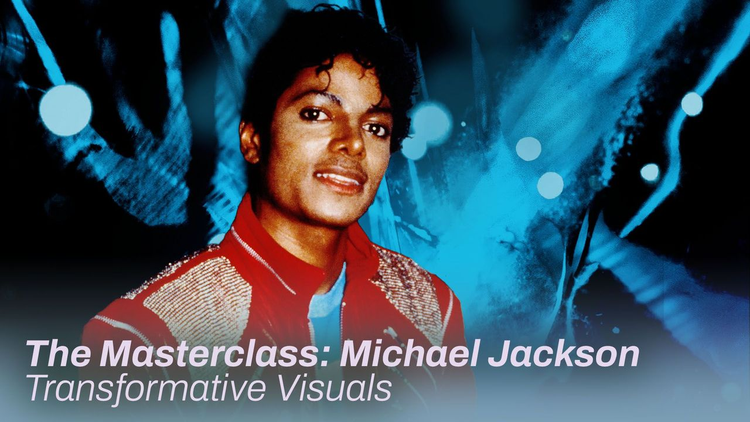
- Michael Jackson treated music videos as short films, combining choreography, fashion, character work and narrative into a cohesive visual approach.
- Videos like “Thriller,” “Billie Jean” and “Bad” expanded production scale and helped shift industry standards around budgeting and broadcast exposure on MTV.
- Across fantasy, protest, horror and futurism, he used distinct concepts to show how pop records could be interpreted visually as well as musically.
Far from treating music videos like throwaways, Michael Jackson approached the art form like short films, stages, fashion runways, dance floors, and message boards at the same time. Across his solo career, the camera became one of his most important creative tools, helping him turn records into moments that people could watch, study, imitate and remember decades later.
That is why “the art of the music video” may be the clearest way to frame Michael’s visual legacy. His best clips did several things at once: they introduced signature fashion, created characters around songs, turned choreography into story, pushed technology forward and made space for social messages inside mainstream pop spectacle.
The videos also showed how much he understood control. He knew how a fedora, glove, leather jacket, white suit, sharp stare, group formation or single impossible-looking move could become part of a song’s identity. In his hands, a music video became a full creative language.
These 10 short films show how Michael Jackson helped shape the music video as a complete art form.
1. “Billie Jean”
The setup:
Released during the Thriller era, “Billie Jean” placed him inside a mysterious cityscape where the sidewalk lights up beneath his feet as he moves through the frame.
The visual language:
Directed by Steve Barron, the video works through shadows, a stalking photographer, glowing pavement and a hotel-room reveal. It does not rely on a massive set to feel supernatural. The world changes because he walks through it.
The performance lesson:
The Ben artist's body becomes the special effect. His spins, toe stands, glides and stillness carry as much meaning as the visual tricks. The clip also understands restraint. When he dances, the screen opens up. When he pauses, the mystery deepens.
The cultural impact:
“Billie Jean” became central to his early MTV breakthrough and helped prove that a video could build myth with a suit, a street, a spotlight and a performer who knew exactly where the camera was.
2. “Beat It”
The setup:
“Beat It” moved Michael into a street-gang narrative, with rival groups heading toward confrontation before dance becomes the release.
The visual language:
Directed by Bob Giraldi, the clip borrows from street musicals without losing the force of a pop-rock record. Jackets, pool halls, alleys and warehouse choreography build a world where conflict and performance share the same space.
The performance lesson:
He plays mediator, not aggressor. His presence cuts into the confrontation, and the choreography turns potential violence into synchronized movement. The dance break is the point: Bodies that were positioned for a fight suddenly move together.
The cultural impact:
“Beat It” helped establish large-scale group choreography as an MJ signature. It also showed how a music video could merge rock energy, street imagery and pop precision without separating sound from story.
3. “Thriller”
The setup:
Directed by John Landis, “Thriller” expanded a single into a horror short film complete with a date-night plot, a monster transformation and one of the most famous dance sequences in music history.
The visual language:
“Thriller” works because it commits to genre. The movie theater, werewolf makeup, graveyard scene, red leather jacket and zombie formation are all cinematic choices, not decorations. Michael does not simply perform the song. He steps inside a horror movie and turns the monster scene into choreography.
The performance lesson:
The video is a prime showing of character control. The double-digit Grammy winner moves between charming date, creature-feature threat and undead bandleader without losing the rhythm of the record. Even the facial expressions are choreographed: the grin, the stare and the final reveal all become part of the performance.
The cultural impact:
The Library of Congress added it to the National Film Registry in 2009, a major recognition of its importance to American film history. It changed how music videos were discussed afterwards, urging the culture to recognize them as premieres, productions and cultural events.
4. “Bad”
The setup:
Directed by Martin Scorsese, “Bad” places MJ in a subway-set confrontation after his character returns from private school and faces pressure from old friends, including a character played by Wesley Snipes.
The visual language:
The short film moves from black-and-white drama into a performance sequence built around leather, buckles, shadows and group choreography. The subway station becomes a stage, but the staging still carries tension. And, of course, the costuming is central: zippers, straps and sharp silhouettes make the song’s attitude visible before he fully takes over the scene.
The performance lesson:
“Bad” is one of the clearest examples of using dance as dialogue. Every snap, kick, turn and stare answers the challenge around him. The movement has theatrical precision, street-dance force and ballet-like control, which is why fans still isolate seconds of the clip to study how he moves between softness and attack.
The cultural impact:
“Bad” showed how major film directors could enter the music video space without overpowering the artist. Scorsese brought cinematic framing, but his body remained the center. The lesson was balance: Story can frame the song, but performance has to carry it.
5. “Smooth Criminal”
The setup:
“Smooth Criminal” turns Michael into the center of a 1930s-style nightclub fantasy, complete with a white suit, fedora, sharp shadows and a crime-noir atmosphere.
The visual language:
Directed by Colin Chilvers, the short film draws from gangster cinema, stage musicals and old Hollywood cool. The Club 30s setting gives the King of Pop a world that feels both dangerous and elegant. The white suit cuts through the darker room, making him look like a moving spotlight.
The performance lesson:
The anti-gravity lean is the famous moment, but the full performance is just as important. He works in clean lines, sudden angles, hat choreography, floor patterns and ensemble control. The video teaches that one signature move becomes iconic when the whole world around it supports the illusion.
The cultural impact:
“Smooth Criminal” became one of his defining visual statements because it turned dance into special-effects cinema. The lean still functions as a pop-culture reference point, but the larger achievement is how the video makes precision feel like suspense.
6. “Leave Me Alone”
The setup:
“Leave Me Alone” uses animation, collage and amusement-park imagery to respond to the tabloid frenzy that surrounded him in the 1980s.
The visual language:
The clip places him inside a surreal carnival of headlines, cutouts, animals, machinery and visual jokes. It is playful on the surface, but the concept is pointed: The media spectacle becomes a ride built on his body and image.
The performance lesson:
The Off the Wall artist's lesson here is narrative control. He is still dancing and performing, but the main move is conceptual. Instead of answering rumors in a traditional way, he builds a strange world where the absurdity of fame becomes visible.
The cultural impact:
“Leave Me Alone” won the Grammy for Best Music Video in 1990. In a catalog full of dance-centered clips, it stands out because it proves his visual imagination went far beyond choreography. The King of Pop could use animation and satire to make the video itself the response.
7. “Black or White”
The setup:
Released during the Dangerous era, “Black or White” paired a global unity message with a major broadcast rollout and another collaboration with “Thriller” director John Landis.
The visual language:
The video moves through different cultural settings before reaching its famous face-morphing sequence. Macaulay Culkin appears in the opening, and the clip grows from a suburban bedroom gag into a worldwide visual collage. The morphing effect gives the song’s racial message a direct visual metaphor.
The performance lesson:
His performance is about scale. He moves between ensemble scenes and solo command, using the camera to shift between community and individuality. His dancing is sharp, but the bigger lesson is how he lets technology, casting and setting extend the theme of the record.
The cultural impact:
“Black or White” made a music video feel like a global television event. Its morphing sequence became one of the most recognizable visual effects of the early 1990s, and the video showed how he could turn a pop single into a world-stage statement.
8. “Remember the Time”
The setup:
Directed by John Singleton, “Remember the Time” places Michael’s Dangerous-era single inside an ancient Egypt-inspired palace and features Eddie Murphy, Iman and Magic Johnson.
The visual language:
The short film uses gold costuming, royal staging, palace architecture, magic effects and celebrity casting to create a complete fantasy narrative. He appears as an entertainer trying to win the attention of a queen, giving the song’s romantic nostalgia a dramatic setting.
The performance lesson:
The choreography is clean, controlled and communal. He leads an ensemble through movements that fit both the palace setting and the new jack swing rhythm of the track. Its magic comes from how he makes historical fantasy feel like contemporary R&B performance.
The cultural impact:
“Remember the Time” remains one of the strongest examples of the Indiana native using Black glamour and celebrity scale in a music video. Singleton’s direction, the cast and the styling made the clip feel like an event, while the choreography gave fans another routine to remember in detail.
9. “Scream” with Janet Jackson
The setup:
“Scream” paired Michael Jackson with Janet Jackson in a black-and-white sci-fi video directed by Mark Romanek.
The visual language:
The clip is sleek, futuristic and emotionally cold in the best way. Its spaceship-like setting, sharp editing, sculptural wardrobe and minimalist palette create a world where isolation becomes the main visual idea. Instead of crowded streets or fantasy sets, “Scream” uses emptiness.
The performance lesson:
The power is in the sibling chemistry. Michael and Janet mirror each other, challenge each other and move with shared intensity. The choreography is aggressive, but the facial expressions carry just as much weight. The video makes frustration look controlled, stylish and expensive.
The cultural impact:
Guinness World Records named “Scream” as the most expensive music video in 1995, with a reported $7 million cost. The song also won the Grammy for Best Music Video in 1996. It marked a different kind of spectacle for him: less storybook, more pressure chamber.
10. “They Don’t Care About Us”
The setup:
“They Don’t Care About Us” arrived during the HIStory era and received multiple Spike Lee-directed visual treatments, including the Brazil version and the prison version.
The visual language:
The Brazil version places Michael amid community, percussion, crowds and public space, with scenes filmed in Salvador and Rio de Janeiro. The prison version uses confinement, archival footage and institutional imagery to sharpen the song’s protest energy. Together, the visuals show how the same record can carry different kinds of urgency depending on setting.
The performance lesson:
His performance is direct and percussive. He does not soften the song’s anger. His body hits with the drums, and his stare keeps the message forward-facing. The lesson is that dance can entertain while still carrying protest.
The cultural impact:
“They Don’t Care About Us” shows the message-driven side of his video art. Across the catalog, he used horror, fantasy, romance, satire and futurism. Here, he used the music video as a public statement, connecting rhythm, place and social frustration through images built to be remembered.
Why the movement still gets studied
Part of Michael Jackson’s music video legacy lives in the way fans still break down short clips as if they are sports highlights or film scenes. A single moment from “Bad” can spark debate about ballet-like lines, martial arts-like sharpness, musical theater posture and street-dance attack, all inside the same few seconds.
That kind of discussion says a lot about how his videos continue to work. His movement was unusually precise, fast and fluid. His visuals repeatedly show a performer who could make choreography read as character, fashion, camera blocking and emotional punctuation. Whether he was stepping onto a glowing sidewalk, leading zombies in formation, snapping through a subway station or leaning beyond the body’s natural center of gravity, the video gave the movement a permanent frame.