Key Takeaways
- These films earned top honors at Sundance, including Grand Jury and Audience Awards.
- The list spans decades of Black storytelling that influenced independent cinema.
- Each film reflects a unique voice, from archival documentaries to genre-defining dramas.
Sundance has long operated as an accelerant: A place where a breakout premiere can turn into distribution, prestige, and a rewritten career trajectory. For Black filmmakers and documentarians, that visibility has mattered for reasons beyond box office. Simply put, Sundance wins (and even “just” the right screening) can expand who gets to be seen as an auteur, a crowd-pleaser, a formal innovator, or an archival historian.
These projects used Sundance as a launchpad for larger conversations about state violence, incarceration’s ripple effects, Black girlhood and motherhood, queer identity, land ownership, and the politics of remembrance. Some of these wins arrived as historic firsts; others landed as undeniable consensus moments, where juries and audiences aligned. Check them out below.
1. Precious — Lee Daniels
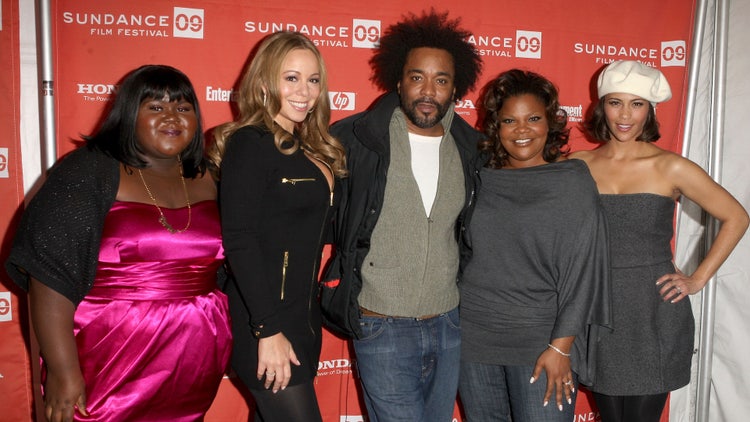
This powerful drama won both the Grand Jury Prize: U.S. Dramatic and the Audience Award: U.S. Dramatic at Sundance 2009. Adapted from Sapphire’s novel, the film was about a Harlem teenager navigating abuse, pregnancy, and systemic neglect while finding support through an alternative education setting. The Sundance sweep preceded a major awards-season run, including multiple Academy Award nominations and wins.
2. The 40-Year-Old Version — Radha Blank

Radha Blank won the Directing Award: U.S. Dramatic at Sundance 2020. The film followed a New York playwright who pivoted into rapping as she reevaluated artistic ownership, industry constraints, and what evolution looks like outside a typical “breakout age.” The Sundance directing honor positioned Blank as a festival-recognized auteur with a distinct voice and performance-driven storytelling.
3. Pariah — Dee Rees (Cinematography: Bradford Young)
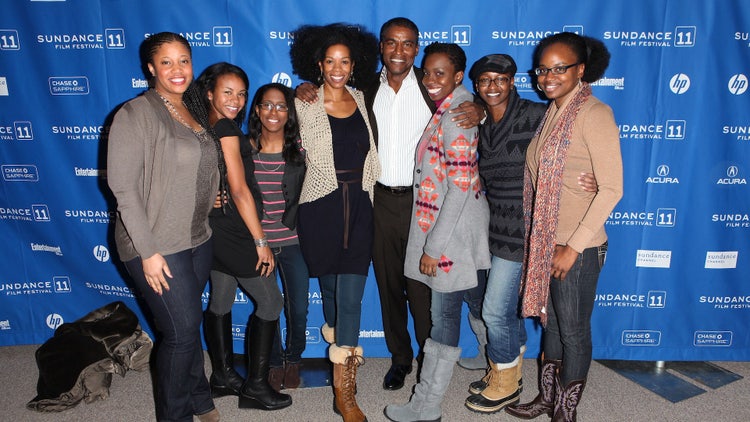
Pariah received the Excellence in Cinematography Award: Dramatic at Sundance 2011 for cinematographer Bradford Young. The film followed a Brooklyn teen coming into her sexuality while managing family expectations and social pressure. The cinematography honor was a clear example of Sundance spotlighting Black craft talent alongside direction and performance.
4. Middle of Nowhere — Ava DuVernay
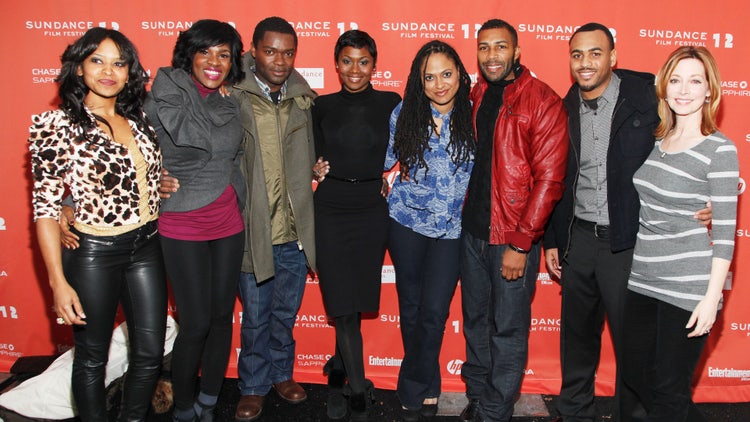
Ava DuVernay won the Directing Award: U.S. Dramatic at Sundance 2012 for Middle of Nowhere. The drama focused on a woman attempting to sustain her life and relationships while her husband was incarcerated, all of which brought to the surface the collateral impact of the carceral system. DuVernay was the first Black woman to win this Sundance directing honor.
5. Seeds — Brittany Shyne

This documentary was centered around Black generational farmers in the American South and focused on land, labor, and the maintenance of legacy through ownership and stewardship. It won the U.S. Grand Jury Prize: Documentary at Sundance 2025. The top documentary jury prize placed the film’s subject — Black rural life and land retention — into Sundance’s highest-visibility documentary lane for that year.
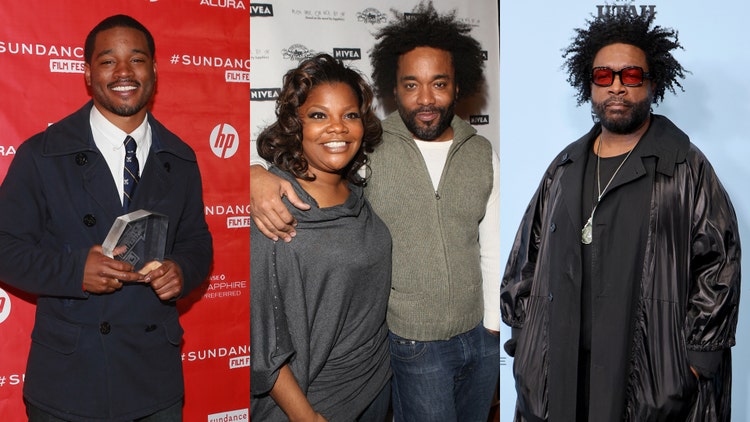
6. The Birth of a Nation — Nate Parker
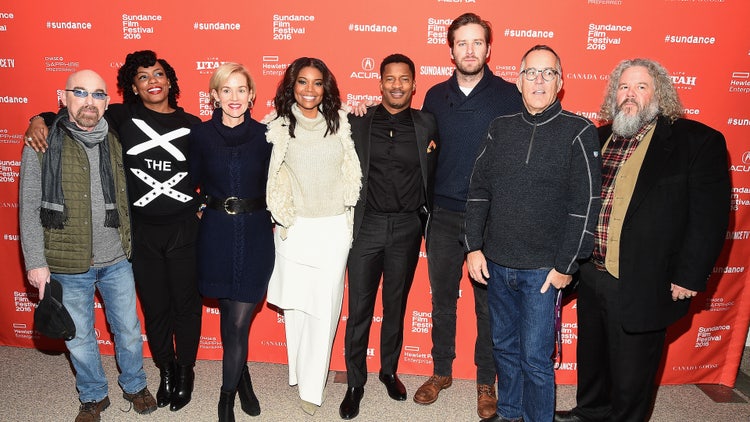
Nate Parker’s striking body of work won the U.S. Grand Jury Prize: Dramatic and the Audience Award: U.S. Dramatic at Sundance 2016. The film was a historical drama centered on Nat Turner and the events leading to the 1831 rebellion. It also became one of Sundance’s most discussed market moments after Fox Searchlight acquired the film in a deal widely reported at $17.5 million (which was cited as a festival record at the time).
7. Kokomo City — D. Smith

Kokomo City scored D. Smith the NEXT Innovator Award and the Audience Award: NEXT at Sundance 2023. The documentary was about Black trans women sex workers, built around candid testimony and stylized black-and-white imagery. Winning both a juried innovation honor and an audience award in the NEXT section signaled strong alignment between experimentation and crowd response.
8. Clemency — Chinonye Chukwu
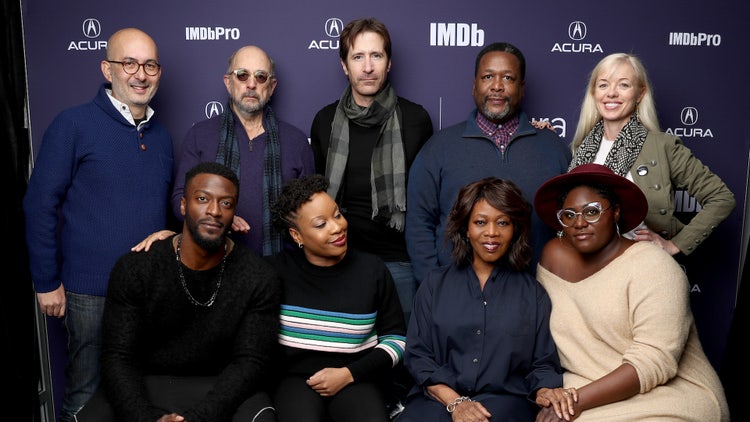
Clemency, a Sundance 2019 U.S. Grand Jury Prize winner, followed a prison warden confronting the moral and psychological weight of overseeing executions as an inmate’s date of court-sanctioned death approaches. Chukwu is widely recognized as the first Black woman to win the aforementioned honor, giving the achievement added historical significance beyond the individual film.
9. Time — Garrett Bradley
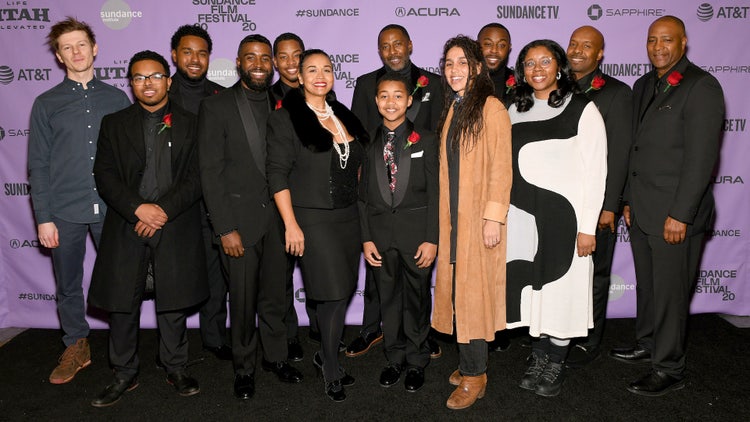
Garrett Bradley won the Directing Award: U.S. Documentary at Sundance 2020 for Time. The documentary pointed to Fox Rich’s effort to free her husband after a long prison sentence, structured through decades of home video and present-day advocacy. The directing win was a straightforward example of Sundance recognizing documentary authorship and structure, not only subject matter.
10. Chameleon Street — Wendell B. Harris Jr.
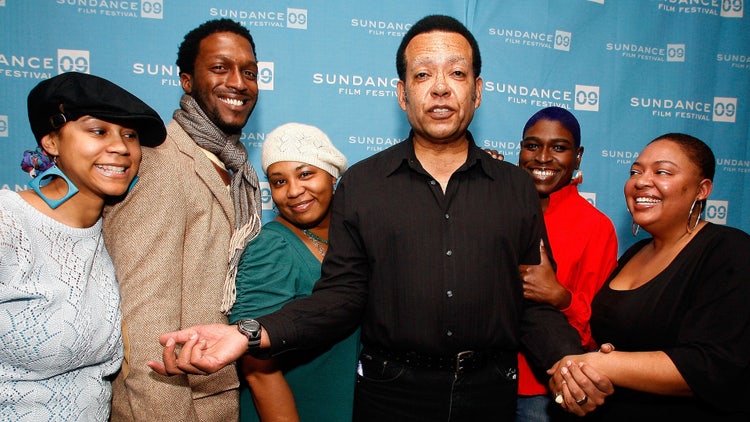
The film was a satirical, fact-inspired story about a Detroit con man who impersonated professionals across multiple fields, using identity as both cover and critique. It won the Grand Jury Prize (Dramatic) at the 1990 Sundance Film Festival, which is often cited as an early landmark for Black-led independent filmmaking at Sundance.
11. Summer of Soul (…Or, When the Revolution Could Not Be Televised) — Questlove
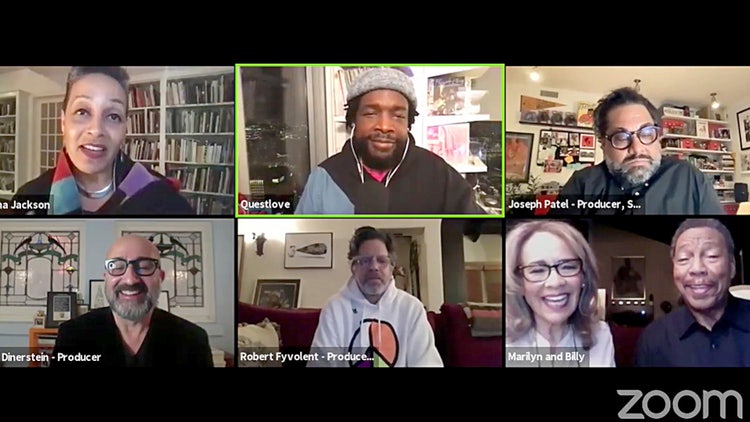
Questlove’s documentary put a spotlight on the 1969 Harlem Cultural Festival, using restored performance footage and contextual interviews to reestablish the event’s historical significance and place it alongside the era’s better-known cultural narratives. In addition to winning both the Grand Jury Prize: U.S. Documentary and the Audience Award: U.S. Documentary at Sundance 2021 (during the height of COVID, no less), Summer of Soul later won the Academy Award for Best Documentary Feature.
12. Nanny — Nikyatu Jusu
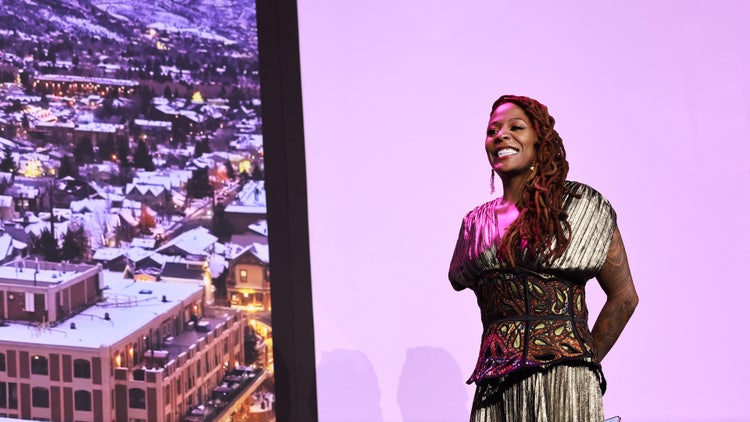
Won the U.S. Grand Jury Prize: Dramatic at Sundance 2022. The film followed an undocumented Senegalese nanny working for a New York family, blending psychological pressure with folklore-influenced horror elements as she pursued stability and reunification. The top U.S. dramatic jury win was notable for placing a Black woman-led genre-inflected film at the peak of Sundance’s narrative competition slate.
13. Fruitvale Station — Ryan Coogler
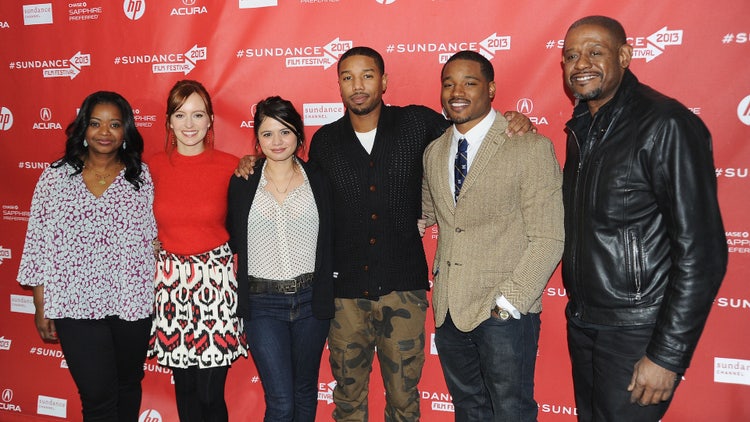
Fruitvale Station dramatized the final day in the life of Oscar Grant prior to his killing by police at the Fruitvale BART station. Ryan Cooger’s directorial film debut earned both the Grand Jury Prize: U.S. Dramatic and the Audience Award: U.S. Dramatic at Sundance 2013. The dual win represented a high-consensus Sundance moment — jury validation and audience support for a Black-led story with urgent contemporary relevance.
14. A Thousand and One — A.V. Rockwell
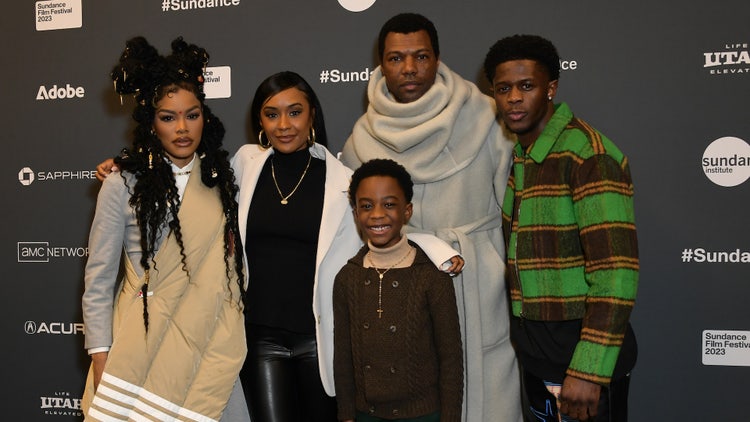
A Thousand and One, which took home the U.S. Grand Jury Prize: Dramatic at Sundance 2023, centered a mother who took her young son out of foster care and attempted to build a stable life while protecting a secret that could unravel their future. Sundance’s top U.S. dramatic prize for the film amplified a Black New York family narrative shaped by housing insecurity and the child-welfare system.
15. Daughters — Natalie Rae and Angela Patton
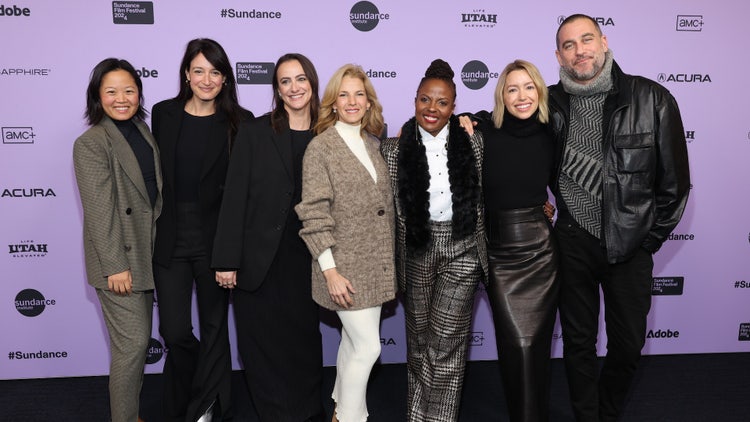
This film won both the Audience Award: U.S. Documentary and the festival-wide Festival Favorite Award at Sundance 2024. Daughters followed girls preparing for a father-daughter dance connected to their incarcerated fathers. Such an event was utilized as a framework for exploring family separation, reunion, and emotional development. Festival Favorite is determined by audience voting across the feature slate, making it a broad popularity indicator in addition to the category-specific doc award.