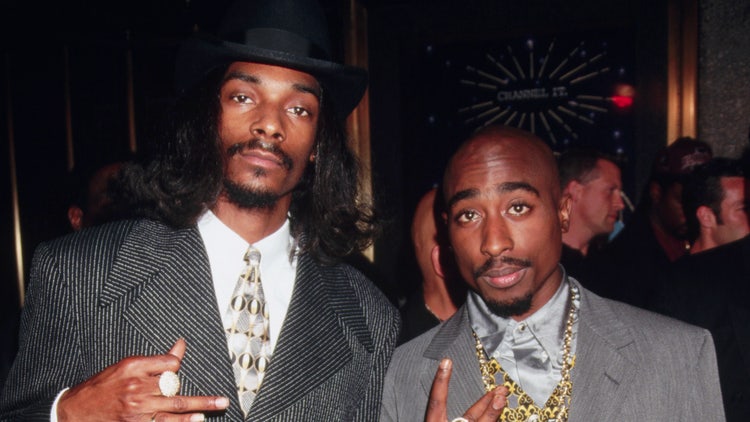
Key Takeaways
- November 1996 brought major albums from Tupac, Snoop Dogg, Mobb Deep, and several emerging artists.
- Lil' Kim and Foxy Brown's debut albums expanded women's commercial presence in rap.
- Regional releases, Hollywood soundtracks, and new record labels illustrated Hip Hop's growing influence.
By November of 1996, Hip Hop had already experienced a remarkable year. The Fugees achieved mainstream success with The Score, Nas followed his debut with It Was Written, and JAY-Z and OutKast released Reasonable Doubt and ATLiens, respectively. These projects represented different approaches to storytelling, ambiance, and commercial appeal, demonstrating the variety of music reaching listeners across the country.
The year also brought considerable grief. Tupac Shakur died that September after being shot near the Las Vegas Strip, intensifying public attention surrounding the tensions between East Coast and West Coast artists. His death left fans mourning one of rap's biggest stars as Death Row Records faced growing uncertainty.
Yet November introduced another remarkable collection of releases. Across those four consecutive weeks, established stars, emerging rappers, and independent artists delivered projects that would influence the genre's direction. Several immediately reached the upper positions of Billboard's album charts, while others gained recognition years later.
Tupac's first posthumous album marked a dramatic chapter in Hip Hop history
Death Row released The Don Killuminati: The 7 Day Theory under Shakur's Makaveli alias less than two months after his death. Unlike its predecessor, All Eyez on Me, the more recent project highlighted confrontational lyrics and darker production.
Songs including "Hail Mary," "Bomb First (My Second Reply)," and "Against All Odds" addressed personal conflicts and rivalries. Meanwhile, "To Live And Die in L.A." celebrated the city where Tupac spent much of his final career. The album's cover, which depicted him on a cross, also attracted attention.
The Don Killuminati debuted at No. 1 on the Billboard 200, extending Pac's commercial success after his death.
Snoop Dogg faced a different future without Dr. Dre
Snoop Dogg, then recording as Snoop Doggy Dogg, hit hard with his sophomore LP, Tha Doggfather. It was his first full-length since 1993's Doggystyle and arrived after Dr. Dre, the beatsmith behind much of his debut, departed Death Row.
DJ Pooh, Daz Dillinger, and Soopafly contributed production to songs including "Snoop's Upside Ya Head," "Doggfather," and "Vapors." The album leaned heavily on funk influences, although critics questioned whether the beats matched Snoop's earlier partnership with Dre.
Despite mixed reviews, such as the Los Angeles Times praising his performance but criticizing the beats, Tha Doggfather debuted at No. 1 on the Billboard 200, replacing Shakur's posthumous album. The back-to-back chart-toppers demonstrated Death Row's continued commercial strength amid changes to its roster and leadership.
Lil' Kim and Foxy Brown challenged expectations for women in Hip Hop
Lil' Kim released Hard Core after attracting attention through Junior M.A.F.I.A. Her debut combined explicit storytelling, luxury imagery, and contributions from the likes of Jermaine Dupri and longtime associate The Notorious B.I.G.
"Queen B**ch" and "Big Momma Thang" showcased her commanding delivery, while "No Time" reached No. 1 on Billboard's Hot Rap Songs chart. Hard Core debuted at No. 11 on the Billboard 200.
Foxy Brown followed with Ill Na Na, featuring JAY-Z, Method Man, Blackstreet, and more. Songs including "Get Me Home" and "I'll Be" paired her assertive delivery with prominent Hip Hop and R&B collaborators. Her debut entered the Billboard 200 at No. 7.
Neither artist originated sexually assertive female rap. MC Lyte, Salt-N-Pepa, Queen Latifah, and Da Brat already established important precedents. However, Kim and Foxy's simultaneous breakthroughs brought two distinct Brooklyn voices into the upper reaches of the national album charts. Notably, the Smithsonian's National Museum of African American History and Culture examined how their music and fashion helped challenge conventional expectations surrounding femininity and power.
Mobb Deep delivered another defining chapter of New York street rap
Queensbridge duo Havoc and Prodigy released Hell on Earth on Nov. 19, expanding the bleak sound established on 1995's The Infamous.
Havoc's production emphasized sparse drums and ominous samples, complementing lyrics about violence, mistrust, and survival. Tracks including "G.O.D., Pt. III," "Drop a Gem on 'Em," and "Hell on Earth (Front Lines)" featured the duo's uncompromising approach, while Nas, Method Man, and more contributed guest appearances.
Hell on Earth debuted at No. 6 on the Billboard 200 and topped the Top R&B/Hip Hop Albums chart, demonstrating the commercial audience for Mobb Deep's darker vibes and street narratives.
Hip Hop's commercial reach extended beyond its biggest album releases
Blackstreet's "No Diggity," featuring Dr. Dre and Queen Pen, hit the No. 1 position on the Billboard Hot 100 on Nov. 9, where it remained for four weeks straight. The record combined Teddy Riley's R&B-esque approach with rap performances, illustrating the commercial appeal of collaborations between the genres.
Nas' "Street Dreams," Westside Connection's "Bow Down," Do or Die's "Po Pimp," and Nate Dogg's "Never Leave Me Alone" also circulated in the nearby months. Their contrasting sounds reflected rap's presence across radio formats and regional markets.
Space Jam and Set It Off brought Hip Hop further into Hollywood
F. Gary Gray's Set It Off opened in theaters on Nov. 6, starring Queen Latifah, Jada Pinkett Smith, Vivica A. Fox, and Kimberly Elise. Its soundtrack featured Bone Thugs-n-Harmony, Busta Rhymes, Goodie Mob, En Vogue, and Brandy, connecting rap and R&B to the film's story of four women facing financial hardship.
Space Jam followed on Nov. 15, pairing Michael Jordan with the Looney Tunes. Its soundtrack included Coolio, Salt-N-Pepa, D'Angelo, and Quad City DJ's.
"Hit 'Em High (The Monstars' Anthem)" brought together B-Real, Busta Rhymes, Coolio, LL Cool J, and Method Man. JAY-Z also wrote material performed by Bugs Bunny.
Reportedly, the soundtrack to Space Jam landed at No. 2 on the Billboard 200, and Set It Off's reached the No. 4 spot, reflecting each album's popularity beyond their theatrical releases.
Basketball's connection with rap extended beyond Jordan's movie. On Nov. 19, Shaquille O'Neal released You Can't Stop the Reign with collaborations alongside The Notorious B.I.G., Mobb Deep, JAY-Z, Nas, and more. Arguably, Shaq's success on wax played a sizable role in basketball stars increasingly participating in the music rather than simply appearing alongside emcees in advertisements and videos.
Regional releases demonstrated Hip Hop's growing diversity
On Nov. 5, Cleveland's Mo Thugs released their debut studio album, Family Scriptures, extending the melodic approach associated with Bone Thugs-n-Harmony. The compilation eventually reached No. 2 on the Billboard 200. Flesh-n-Bone also released his solo debut, T.H.U.G.S. : Trues Humbly United Gatherin' Souls, on the 19th.
In the South, Memphis rapper Tela delivered Piece of Mind, which featured his hit single "Sho Nuff" with 8Ball and MJG, through Suave House Records on Nov. 5. Toward the end of the month on the 26th, New Orleans artist B.G. released Chopper City through Cash Money Records before the label's national breakthrough.
Also on Nov. 5, Oakland's Richie Rich issued Seasoned Veteran, featuring contributions from Tupac and E-40, while Vallejo rapper B-Legit released The Hemp Museum on the 24th.
Additional November projects included Keith Murray's Enigma, the Fugees' Bootleg Versions, and LL Cool J's All World compilation. Together, these releases represented established and developing scenes beyond the month's highest-charting stars.
DJ Shadow and Eminem represented different possibilities for the genre
DJ Shadow's Endtroducing..... reportedly reached the United States that November following its September release in the U.K. Constructed almost entirely from samples, the largely instrumental album was filled with layered arrangements in place of conventional rap verses.
Detroit's finest Eminem also released his debut, Infinite, through WEB Entertainment on Nov. 12. Its intricate rhyme patterns reflected New York rap influences, although the project attracted little mainstream attention.
Both releases demonstrated approaches that differed from the commercially dominant albums of the period. Eminem would later achieve worldwide success, boosted by his partnership with Dr. Dre.
Dr. Dre's Aftermath debut arrived as Death Row faced a major crisis
Dre introduced his new label, Aftermath Entertainment, with Dr. Dre Presents... The Aftermath on Nov. 26. Its compilation of songs included "Been There Done That," which addressed his changing musical direction, and "East Coast/West Coast Killas," a collaboration challenging the regional hostility surrounding rap.
Meanwhile, his Death Row co-founder Suge Knight faced legal consequences stemming from a September assault involving Orlando Anderson at Las Vegas' MGM Grand. A judge revoked Knight's probation on Nov. 26, creating additional uncertainty for the label following Shakur's death and Dre's departure.
The contrast was striking: Dre was establishing a new business, while Death Row faced legal turmoil despite consecutive No. 1 albums from Shakur and Snoop Dogg.
For fans experiencing November 1996 in real time, there was no way to predict which albums would eventually become classics or how dramatically some of their creators' careers would change. Each new release contributed to a musical landscape whose significance would become clearer with time. Long after, revisiting that stretch offers something more revealing than nostalgia: A chance to hear Hip Hop's history before anyone knew how it would unfold.