Key Takeaways
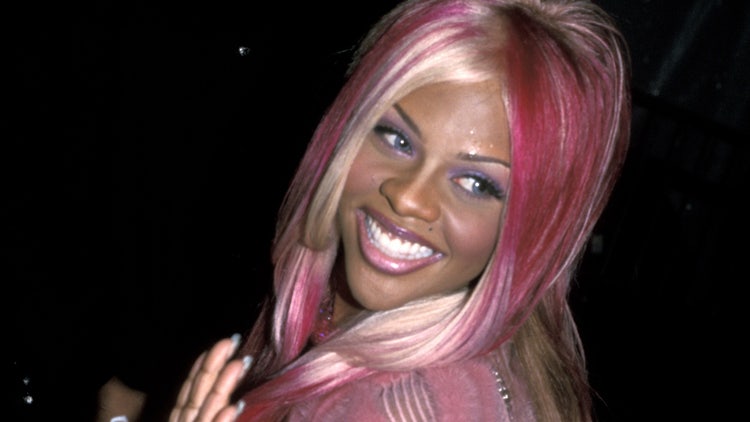
- Stylist Misa Hylton helped develop Lil' Kim's memorable fashion aesthetic, including the colorful looks featured in her "Crush on You" music video.
- Songs such as "Queen B**ch" and "Not Tonight" combined aggressive lyricism with candid perspectives on sex, power, and relationships.
- Hard Core peaked at No. 11 on the Billboard 200 and eventually earned double-platinum certification from the RIAA.
Long after Lil' Kim introduced the world to Hard Core, the Brooklyn emcee (and her fans) continue to celebrate a debut that remains one of Hip Hop's most recognizable releases. Originally issued on Nov. 12, 1996, the project marked a major turning point for Kimberly Jones, who already established herself through Junior M.A.F.I.A. and her association with The Notorious B.I.G. For the album's 30th anniversary, the Empire State Building honored Hard Core with a special lighting, along with a couple of orchestral performances at Brooklyn's Kings Theatre featuring Thee Phantom & The Illharmonic Orchestra.
When the LP first arrived, Hip Hop was experiencing an extraordinary period of commercial growth, with artists like 2Pac, JAY-Z, and many more helping define the genre's direction. Kim entered that environment with the backing of Biggie, who co-executive produced Hard Core with notable heavyweights, and a sound that paired rugged East Coast production with polished, radio-friendly arrangements. Her performances moved between humor, confrontation, fantasy, and personal ambition, establishing an identity that extended well beyond her previous group appearances.
Below, REVOLT revisited some creative decisions and cultural conversations that shaped its reception.
1. She made bold fashion a signature part of her Hip Hop identity
Long before her most famous red-carpet appearances, Lil' Kim was building a visual identity that complemented the music on Hard Core. The album's cover featured the rapper wearing a revealing lace outfit while posing on a white fur rug, surrounded by roses and champagne. It introduced an extravagant aesthetic that contrasted sharply with the more understated styling commonly associated with women in earlier eras of Hip Hop.
Working with stylist Misa Hylton, Kim extended that presentation into her music videos. The visual for "Crush on You" became especially memorable for its colorful wigs, coordinated outfits, and monochromatic styling. In a ComplexCon discussion, Kim credited the video with introducing her to the fashion industry and helping establish her career's direction.
Her relationship with fashion eventually expanded to designers including Marc Jacobs, Giorgio Armani, and Donatella Versace. The lasting appeal of those looks became particularly clear in 2017, when Beyoncé recreated five Lil' Kim outfits for Halloween. While Kim did not invent fashion-forward rap imagery, the presentation surrounding Hard Core helped establish her as one of the genre's defining style figures.
2. She combined gritty street storytelling with sexual confidence
On her debut, Lil' Kim refused to separate her ability to deliver aggressive street-oriented verses from her willingness to discuss sexuality. "Queen B**ch" showcased her commanding delivery and confrontational wordplay, while "M.A.F.I.A. Land" placed her within the cinematic street narratives that dominated East Coast rap during the mid-'90s. Simply put, she could hold her own in musical territory heavily associated with her male counterparts.
Elsewhere, "Big Momma Thang" and "Not Tonight" approached sexual relationships with an assertiveness that challenged conventional expectations of female performers. On "Dreams," Kim reimagined The Notorious B.I.G.'s "Just Playing (Dreams)," reversing its perspective by expressing her own fantasies about male R&B singers.
Yes, women addressed sexuality in Hip Hop before Kim's debut, and legends like MC Lyte, Queen Latifah, and Salt-N-Pepa already expanded the possibilities for female rappers. That said, Kim's contribution involved bringing those elements together within the sound and imagery of mainstream hardcore rap.
3. She turned an uncompromising debut into a commercial breakthrough
The commercial response to Hard Core demonstrated that Lil' Kim's provocative subject matter did not prevent her from reaching a broad audience. The project debuted at No. 11 on the Billboard 200 and reached No. 3 on the Top R&B/Hip-Hop Albums chart. It eventually earned double-platinum certification from the Recording Industry Association of America (RIAA).
Its singles also made an impact. "No Time" topped Billboard's Hot Rap Singles chart and reached No. 18 on the Hot 100. The record's polished production helped introduce Kim to radio listeners while preserving the confidence and extravagant personality that defined her performances.
The album's momentum continued into 1997 with the popularity of "Crush on You" and the remix of "Not Tonight." The latter brought together Da Brat, Missy Elliott, Angie Martinez, and TLC's Left Eye, reaching No. 6 on the Hot 100. That all-women collaboration also demonstrated how Kim's success could create opportunities for other prominent female voices.
4. Her image became a focal point for debates over empowerment and exploitation
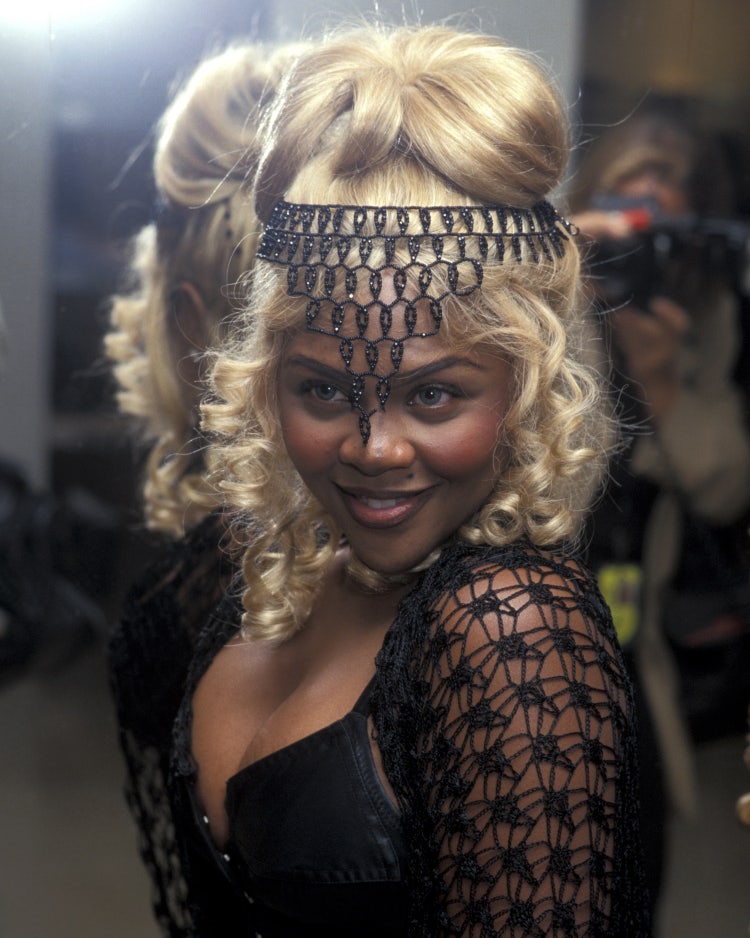
The discussion surrounding Hard Core extended into questions about how the music industry presented women, particularly those who openly embraced their sexuality. In May 1997, bell hooks interviewed Lil' Kim for PAPER Magazine, exploring the tension between sexual freedom, public criticism, and the commercial interests influencing the rapper's image.
The late writer challenged the double standards that allowed male performers to discuss sex openly while women faced harsher criticism for doing the same. She also questioned whether provocative imagery necessarily represented liberation, arguing that genuine empowerment meant a woman could say, "I want it, and I'm having it for my pleasure." When asked whether she represented a sexually liberated woman or someone fulfilling men's fantasies, Kim answered, "Both."
Kim also defended her role in shaping her public image, explaining that she and her collaborators contributed to its development and that she needed to feel comfortable with the result. However, she acknowledged the influence of commercial pressures, explaining that people in the entertainment industry sometimes "push you farther than you really wanna go." Her response illustrated the complicated relationship between personal freedom, artistic control, and the business interests surrounding her career.