Key Takeaways
- The installation used art and archival framing to spotlight reparations and public participation.
- Andre Woolery’s “Black Stacks” series was paired with references to H.R. 40 and other federal reparations proposals.
- Rep. Ayanna Pressley and members of the Congressional Black Caucus (CBC) discussed legislative strategy during related advocacy efforts.
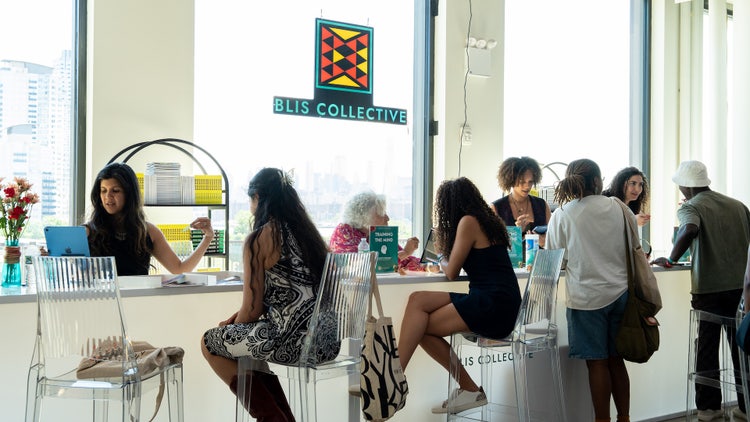
At BLIS (Black Liberation, Indigenous Sovereignty) Collective’s Reclamation Day in Brooklyn, the fight for reparations brings forth a familiar idea: Receipts.
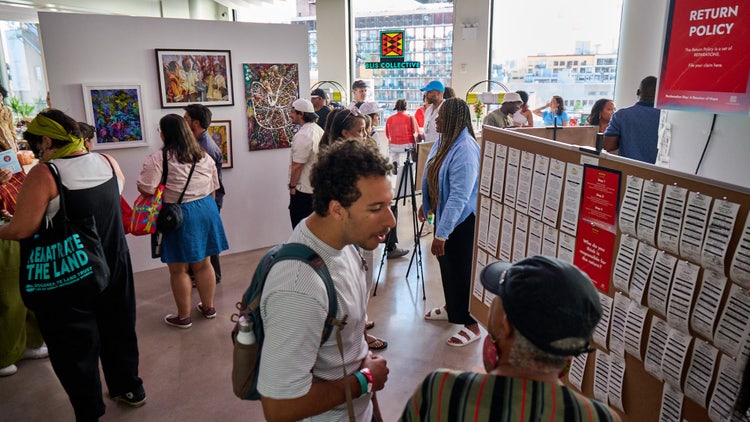
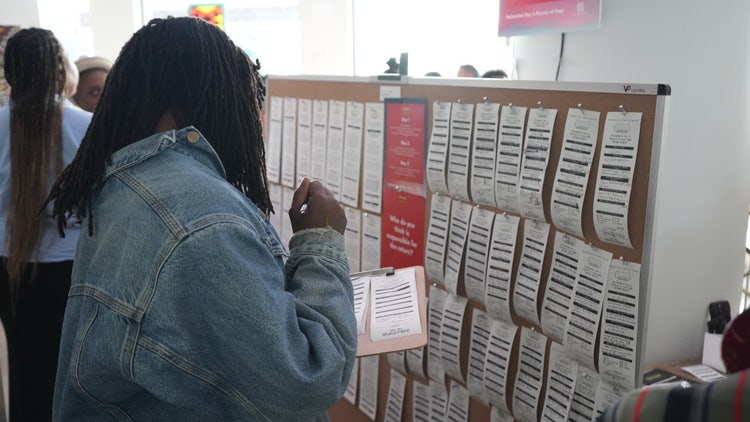
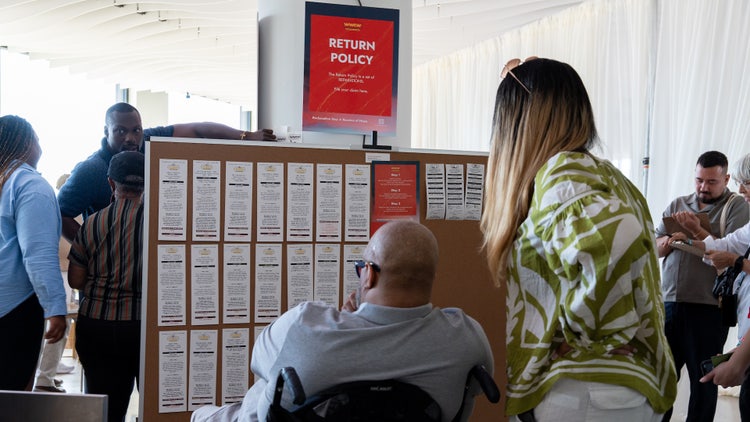
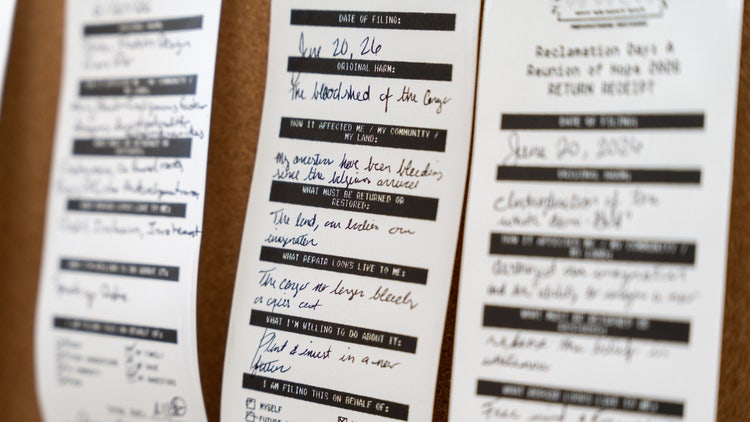
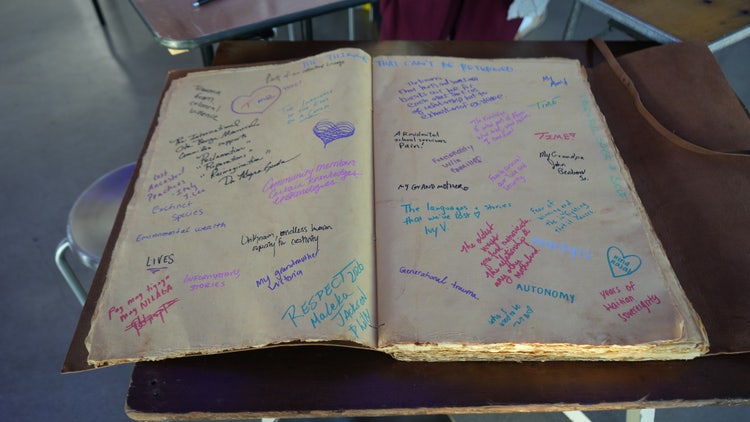
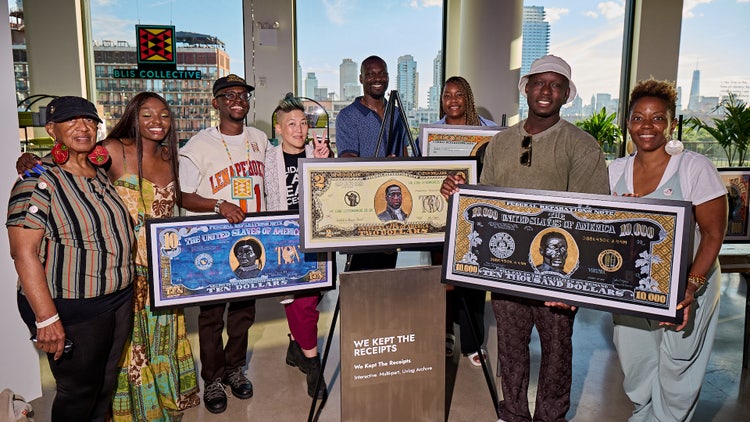
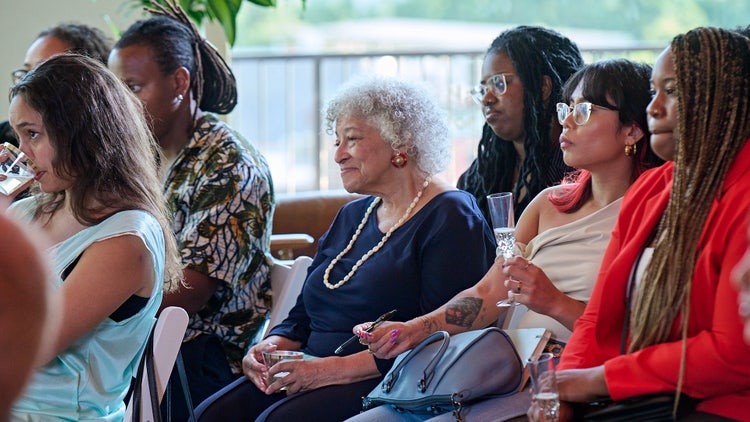
Back in June, the Why We Can’t Wait (WWCW) Reparations Network activated “We Kept the Receipts,” an interactive project that used art, archival memory, community participation, and policy education to confront the nation’s unpaid debt to Black communities. The work was presented during Reclamation Day, BLIS Collective’s immersive cultural gathering prior to America’s 250th anniversary.
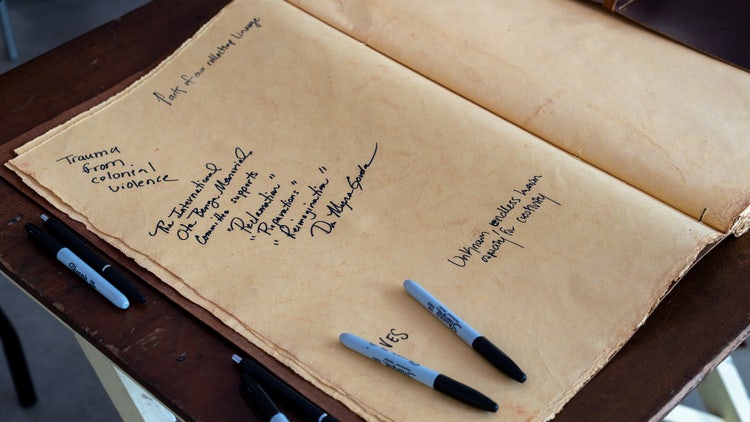
The experience invited attendees to think about reparations through the language of retail: If something was wrongfully taken, there should be a record, a return policy, and a demand for redress. WWCW described it as an “interactive, multi-part, living archive” that moved people from witnessing harm to authoring their own demands for reparations, restitution, and reclamation.
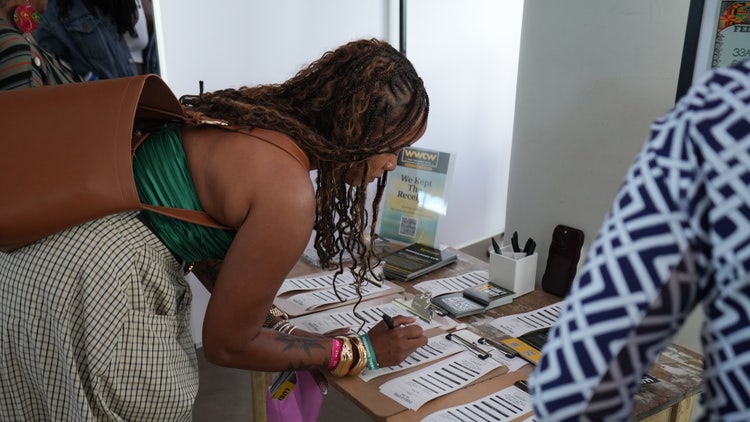
That setup placed America’s debt across several eras, from the Middle Passage and enslavement to Jim Crow, convict leasing, backlash to the Civil Rights Movement, mass incarceration, and the War on Drugs. “The ledger of harm has never been settled,” the materials stated.
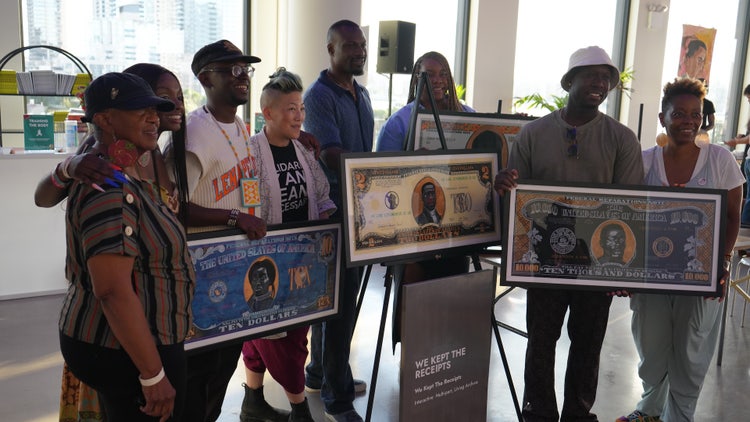
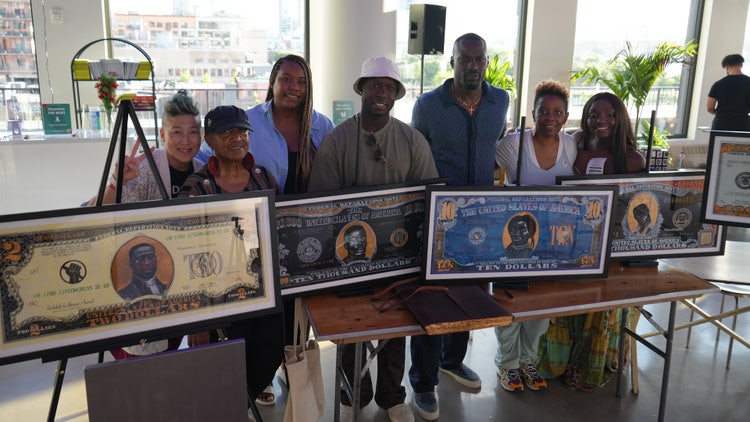
Visual artist Andre Woolery served as the featured artist through his “Black Stacks” series, which reimagined the dollar bill as a reparative instrument. According to WWCW, Woolery’s work asks what it would look like if money acknowledged its historical roots and reinvested itself into modern-day reparations for Black Americans.
The project also connected his art to H.R. 40, the federal legislation that would establish a commission to study and develop reparations proposals for African Americans. Woolery was inspired by the late Rep. John Conyers’ long-running effort to advance the bill, with WWCW describing that work as “a painting left unfinished, inviting us to contribute our own brushstrokes.”
How “We Kept the Receipts” connects art to reparations legislation
The political context surrounding “We Kept the Receipts” was central to its purpose. Earlier in June, Rep. Ayanna Pressley stood with WWCW and other advocates on Capitol Hill to call for Congress to advance a broader reparative justice agenda. Pressley, the House lead of H.R. 40, argued that the country’s next chapter must be defined by intentional redress.
“The next 250 years cannot look like the last. The next 250 years must be about repair,” Pressley said.
That message also carried into a Congressional Black Caucus roundtable focused on reparative justice strategy. The CBC said participants discussed H.R. 40, a Truth, Racial Healing and Transformation Commission, the GI Restoration Act, and the Third Reconstruction Resolution. The caucus framed the issue as a wide-ranging policy agenda touching on housing, education, health care, economic opportunity, environmental justice, and democratic participation.
Check out additional photos from the activation below.