Key Takeaways
- UGK’s 1996 album Ridin’ Dirty paired detailed street narratives with layered, soul-influenced production rooted in Houston’s sound.
- Pimp C and N.O. Joe built the album using live instrumentation, early Pro Tools sessions, and gospel and blues elements tied to the region.
- Despite limited label backing, the project reached No. 15 on the Billboard 200 and became a reference point in discussions about Southern Hip Hop’s national rise.
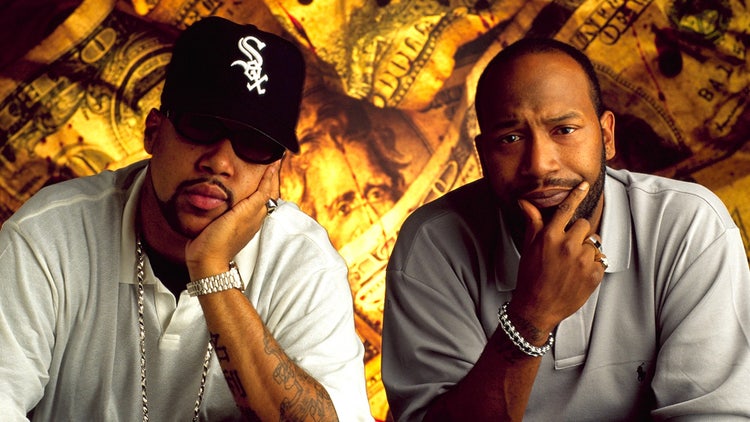
UGK’s Ridin’ Dirty began with a voice from prison. Smoke D, an affiliate of the Port Arthur, Texas. The duo documented life inside a Mississippi penitentiary before Bun B and Pimp C guided listeners through drug sales, grief, pleasure, poverty, police pressure, and the uncertain distance between freedom and confinement.
Released July 30, 1996, the group’s third studio album refused to separate the rewards of street life from the damage attached to them. Cars, jewelry, and late-night rides coexist with dead friends, incarcerated partners, strained families, and the knowledge that a traffic stop could bring everything to an end.
Jive Records released Ridin’ Dirty without official music videos and with little national media attention, yet the project reportedly sold 67,000 copies during its first week, peaked at No. 15 on the Billboard 200, and eventually earned a gold certification. Long after its arrival, it is widely regarded as UGK’s defining work and one of the albums that helped establish Southern rap as a creative center rather than a regional sidebar.
How UGK fought Jive for creative control on Ridin’ Dirty
By the time UGK began their third album, Bun and Pimp had spent years fighting to preserve their sound. Their 1992 major-label debut, Too Hard to Swallow, brought wider attention through “Pocket Full of Stones,” but Jive had parts of the music recreated to avoid sample-clearance expenses. "[The project] had a lot of samples that didn’t clear, and the record company actually went in... and let somebody else create other beats around some of the songs." Bun later explained to Sama'an Ashrawi during an appearance on "The Nostalgia Mixtape." The duo’s plans for later projects were also limited by the label’s reluctance to pay for concepts and licensing.
Instead of accepting a traditional cash advance for Ridin’ Dirty, UGK wanted recording equipment that would provide greater control and help create a sustainable studio operation. Bun called the album “the first actual complete thought of UGK,” explaining why the duo viewed their third release differently from the records before it.
Creative freedom did not immediately produce the right music. UGK used much of its budget during sessions in New York and Chicago, but the recordings lacked the character of its earlier work. When Bun and Pimp returned to Texas, Pimp’s mother and longtime manager, Weslyn “Mama Wes” Monroe, reportedly gave the demos a devastating review. Pimp, already frustrated with Jive, considered abandoning the album.
N.O. Joe, a New Orleans-born producer who worked with the Geto Boys, Scarface, and other Rap-A-Lot artists, changed the project’s direction. He connected with Pimp through their shared knowledge of funk, blues, and soul, agreed to work within UGK’s remaining budget, and helped convince him to finish the record. The decision brought the project back to Texas and closer to the people, places, and listening habits it was supposed to represent.
How Pimp C and N.O. Joe created Ridin’ Dirty’s Southern sound
Pimp C served as Ridin’ Dirty’s musical architect. His work extended beyond beat-making into arrangement, singing, sequencing, and the emotional direction of each record. Bun resisted taking credit for the production, telling Apple Music, “This is all Pimp’s vision.” “I find places where I can contribute, where my input is necessary and at some points key,” the rapper-turned-burger-mogul added. "As far as music, I defer completely.”
N.O. Joe expanded that vision without replacing it. The producers worked from skeletal ideas, samples, hooks, and live additions, often finishing each other’s thoughts. Joe preserved Pimp’s drum patterns and signature elements while bringing the refinement he developed on albums such as Scarface’s The Diary. “Everything that was missing from the earlier records was put together right on this one,” he told The Ringer.
Pimp and Joe handled much of the singing, while Ronnie Spencer’s soaring vocals gave “One Day” the quality of a funeral hymn. Live players included guitarist and bassist Corey “Funkafangez” Stoot and Meters guitarist Leo Nocentelli, who contributed to “Diamonds & Wood.”
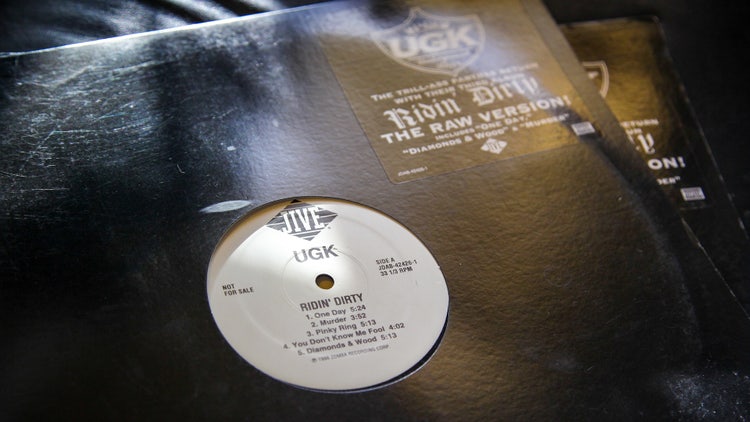
The production drew from Curtis Mayfield, Isaac Hayes, Bootsy Collins, the Fatback Band, and other musicians who connected rap to generations of Black Southern music. Pimp reshaped those influences around low-end pressure, direct storytelling, and melodic hooks.
Ridin’ Dirty was also technologically forward-looking. “I had never seen or heard of Pro Tools before we used it to make [this album],” Bun said. It has not been conclusively documented whether the album was the first rap LP created using the now-iconic audio workstation.
Nonetheless, the technology didn't reduce the demands on the performers. On “Murder,” Bun delivered his long, tightly constructed verse in one take after waking up in the studio. He also recalled D’Angelo discussing how extensively he used the ASR-10 sampler, prompting Pimp to realize he was only beginning to explore what the machine could do.
How DJ Screw and Houston car culture shaped Ridin’ Dirty
Although UGK came from Port Arthur, Ridin’ Dirty is inseparable from Houston and the world forming around DJ Screw. Screw’s slowed and chopped tapes turned music into an experience designed for cars, late-night drives, and private listening. The stretched vocals and heavy bass reflected the city’s slabs, wood-grain steering wheels, candy paint, and unhurried movement. After some conversation and compromise between creative visions, “Diamonds & Wood” was born, pairing a Bootsy Collins-derived foundation with a slowed sample of .380’s “Elbows Swang.”
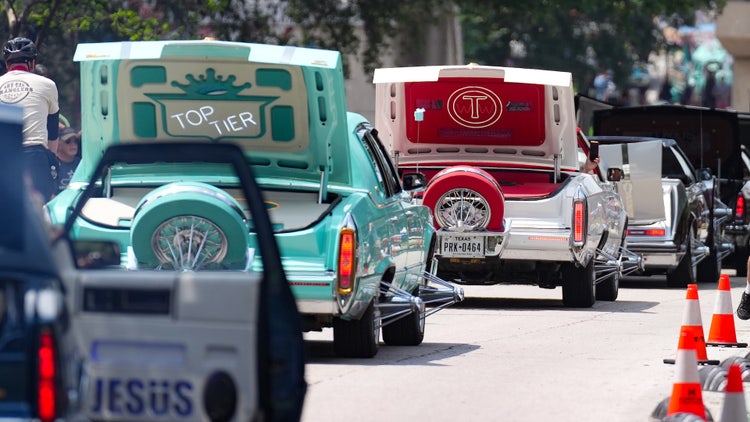
Throughout the album, UGK presented customized cars as symbols of success, personal style, and Houston identity, while also showing how driving with drugs, weapons, or outstanding warrants could attract police scrutiny. On “Diamonds & Wood,” riding and listening to Screw exist beside memories of homicide, incarceration, and harm caused by the drug trade. On the title track, the vehicle becomes a vulnerable space where police searches, informants, and wiretaps threatened everyone inside.
That duality matched Pimp’s concept for the album. He imagined Ridin’ Dirty as a weekend in the neighborhood, moving through hustling, celebration, and reflection. After recording, Pimp and N.O. Joe spent days driving in their cars, comparing sequences until the transitions matched that journey. As Bun told Houstonia Magazine, the group wanted to capture Houston’s “good, the bad, the fun things, the cautionary tales” within one worldview.
Smoke D’s prison recordings deepened the structure. Accounts differ on whether he received or smuggled a portable recorder into the facility, but the audio was mailed to Pimp and placed throughout the album. His descriptions of confinement give listeners a possible destination for the choices explored in the songs.
The songs that reveal the meaning of UGK’s Ridin’ Dirty
“One Day” and “Murder,” the album’s first two full songs, established its emotional and technical range. “One Day” grew from an unreleased Mr. 3-2 recording built around the Isley Brothers’ “Ain’t I Been Good to You.” Bun initially wondered whether the mournful production fit UGK, but the song became a meditation on how sudden death and imprisonment interrupt ordinary life.
The tragedy was personal, with Mr. 3-2 describing fatalism shaped by teenage drug dealing. Bun mourned his friend Pots, who died over a dice game. Pimp mourned the son of former UGK hype man Bo-Bo Luchiano, one of four children killed in a Dallas house fire days after Pimp and Screw were arrested together in Houston. Spencer’s vocals bind the stories into a communal lament.
On the forceful “Murder,” Pimp opened with the sharpness and swagger that defined his rapping, while Bun’s extended performance challenged dismissive assumptions about Southern lyricism. He retained his Texas accent and vocabulary while stacking internal rhymes with the control of an elite emcee. Instead of asking coastal listeners to lower their standards, the record showed that those standards were applied too narrowly.
“Diamonds & Wood” contains the album’s richest expression of Houston car culture, but its luxury is unstable. Pimp discussed family tension and distrust, while both rappers connected material success to people lost or harmed along the way. Nocentelli’s guitar, Reginald Hackett’s vocals, and the Bootsy-inspired groove provided comfort as the verses described paranoia and regret.
“Hi-Life” examined why hustling can appear rational when conventional employment offers little security or advancement. UGK explained the attraction without removing the consequences. The closing title track focused on snitches, surveillance, and illegal searches, refusing to let the earlier celebrations become a fantasy of permanent victory.
Ultimately, the songs worked together because Bun and Pimp rarely spoke as detached observers. They understood the appeal of money, cars, sex, and neighborhood recognition, but they also documented the emotional, legal, and physical costs. Ridin’ Dirty gave its subjects dignity without pretending every choice ends well.
How Ridin’ Dirty became a Southern rap classic
Jive did little to create a conventional breakthrough because it did not fund videos for the proposed singles “One Day” or “F**k My Car,” and neither received the radio push that might have introduced UGK to a wider audience. The Source did not review Ridin’ Dirty or include it among its best albums of 1996, while VIBE’s brief assessment dismissed much of the record.
Listeners built a different verdict through car stereos, barbershops, regional stores, and word of mouth. The album’s reported opening-week sales of more than 67,000 copies showed that UGK’s audience existed even when national media rarely acknowledged it. Its No. 15 Billboard 200 peak and eventual gold plaque made that support measurable.
Truth be told, its later recognition reflects a larger correction in rap history. Ridin’ Dirty showed that Southern artists could center their accents, slang, and local traditions without treating them as barriers to serious artistry. Pimp’s combination of musical talents became an influential model. Bun’s precision challenged stereotypes about the region’s emcees. Together, they created street music that allowed pleasure and consequence to occupy the same record.
The album also helped prepare national audiences for Houston’s larger commercial rise. UGK did not create chopped-and-screwed music or single-handedly build the city’s scene. But Ridin’ Dirty did present Houston’s listening culture, cars, and language with enough detail to travel far beyond Texas without translating them into another region’s terms.
Pimp died in 2007, shortly after UGK reached No. 1 on the Billboard 200 with Underground Kingz. His absence transformed Ridin’ Dirty into one of the clearest documents of his full musicianship. The production, hooks, arrangements, and sequencing show an artist who understood how an album could operate as a complete environment.
“When we did this album, we didn’t think it would last this long," Bun expressed to Houstonia. "We just hoped it would be appreciated.” Speaking to The Source, the Trill OG summarized: “We tried to tell the truth, and the truth remains.”