Key Takeaways
- Trap City explores societal and psychological barriers through the lens of Hip Hop and independent film.
- Ganesan’s reflective mindset drives his ventures across tech, film, and cultural storytelling.
- His podcast builds on the “mind trap” theme, aiming to inspire global dialogue on mental freedom and unity.
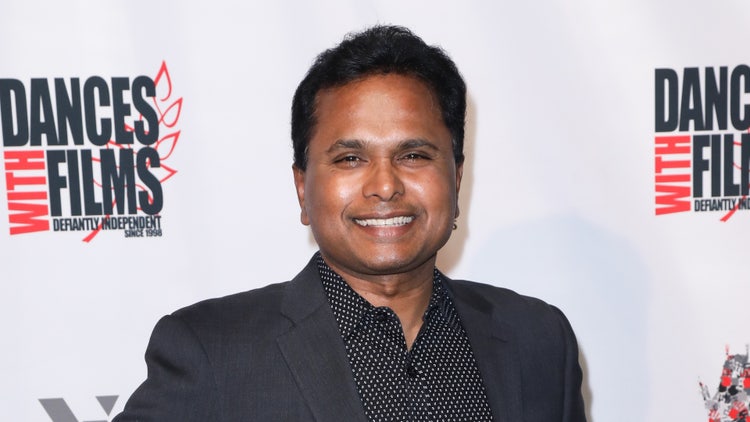
Tel K. Ganesan has lived many lives. Born in India and raised in Detroit’s industrial heart, he began on factory floors before building a career in auto manufacturing, tech, venture capital, and civic leadership. Eventually, he carved out an unlikely lane in film and music, including distributing Liam Neeson’s The Marksman to more than 700 theaters in India and executive-producing Trap City, a feature that blends Hip Hop culture with a bigger conversation about the “traps” that hold people back.
Whether it’s businesses, narratives, or entire industries, Ganesan built a reputation for spotting undervalued opportunities and transforming them into breakout success stories. Throughout his journey, he has remained committed to a philosophy rooted in mental freedom. As a creator, he continues to push his storytelling into even broader territory, including a podcast.
Lessons from Detroit
Ganesan says his earliest lessons came on Detroit’s factory floors. Working for large corporations taught him the strength of structure but also revealed the pitfalls of bureaucracy.
“Obviously, when you work with a bigger corporation, what you get out of them is really the massive structure that they have in place… and also because of the longevity of the business, they also have process maturity,” he remarked.
But he quickly noticed the drawbacks. “In terms of the movement, they are very slow. You know, you got to go through committee, you got to go through all of them. Whereas in a startup, in a fast-moving world that we live in, that was not beneficial,” Ganesan pointed out.
That dual perspective — discipline and process from big business, agility from startups — became the foundation he carried into every venture that followed.
Escaping the mind trap
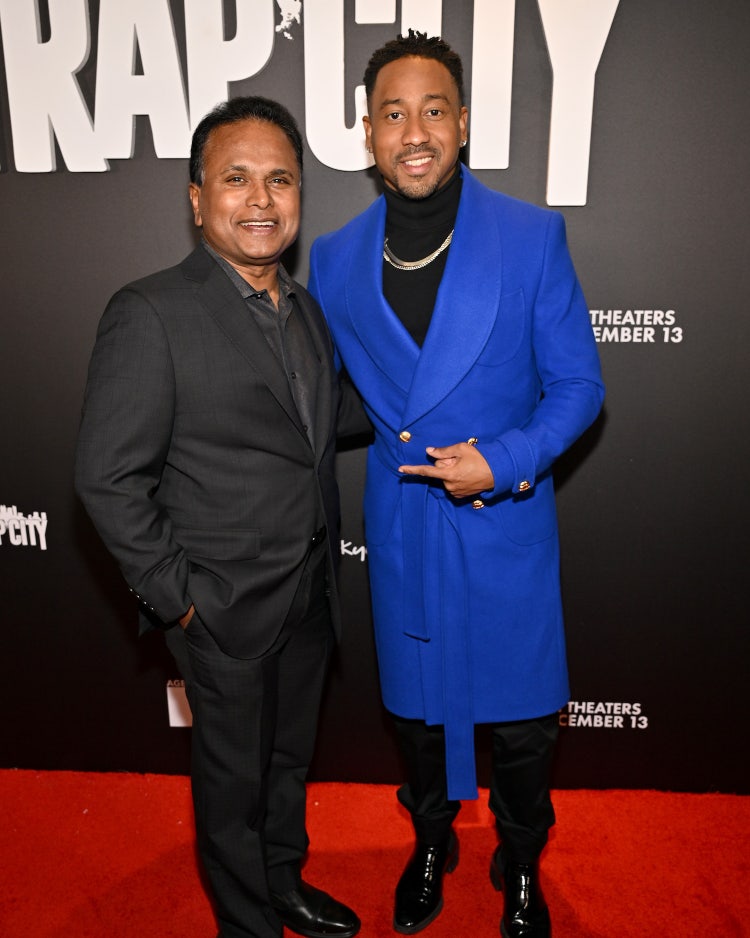
When asked about his film Trap City (which stars Brandon T. Jackson, Jeezy, Clifton Powell, and more), Ganesan explained that the story mirrored his own experience with invisible barriers.
“The movie itself is full of traps, right? Whether you wanted to talk about the betrayal trap and the jealousy trap, the generational trap, the societal trap, there are a lot of them,” he said.
For Ganesan, those traps weren’t just fictional. They reflected his own challenges as an Indian American entering creative industries where he wasn’t expected to belong.
“As a person of Indian origin… the common understanding or expectation is to be an engineer,” he expressed. “Maybe a tech guy, maybe a 7-Eleven guy. But they don’t want any Indian person to be in the U.S. focusing on creative business and film, music. It’s very rare, right? So, I asked the question, who says that? Who says that I shouldn’t be doing that?”
By questioning those assumptions, he developed what he calls the “mind trap” philosophy. “Whoever is trapped in their mind have to be trap-free so they can fly high,” Ganesan stated.
It’s a message he believes transcends race, nationality, or culture. “We all go through that. And because they all touch upon the human emotions… I felt like this is just not a movie. This is a movement,” he added.
Flipping businesses and narratives
The “flip,” whether in real estate, companies, or cultural narratives, is at the core of Ganesan’s strategy.
“At the end of the day, it’s about solving the problem and providing value,” he said.
That mindset has carried him through countless ventures. “Success is the sweet revenge,” Ganesan emphasized, reflecting on how skepticism has fueled his determination. “Let them underestimate, let them undervalue. And then the results speak for itself.”
He likened flipping companies to flipping houses. “All of a sudden, the home is beautiful… Same thing happens in business. Much like how you flip a home. There are thousands of homes. Only certain people have the knack of flipping a home. And the same thing applies in the business as well,” he explained.
Even when critics doubted his ability to create an authentic urban film, the results spoke louder than words. “The movie got released on a major streaming platform such as Starz... It became a No. 1 movie. That answered all those questions,” Ganesan said.
Unity as strategy
Ganesan often says unity isn’t just idealistic — it’s practical. He views collaboration as a business tool just as vital as capital or marketing.
“Obviously, we are in a world where it’s a business, it’s a competition, right? No question about it. But then there are opportunities where it is not competition, it’s cooperation,” he noted.
For him, relationships can evolve with time. “Just because in that moment in time somebody is not agreeing with you, and there is no unity, doesn’t mean the unity does not exist forever,” Ganesan stated.
That long view has allowed him to bridge divides across industries, and sometimes even revisit partnerships that once seemed impossible.
Leadership and legacy
At the heart of Ganesan’s leadership philosophy is what he calls the “tip of the spear” approach.
“It begins with them. It ends with them. Right? And it doesn’t matter whether you’re right or wrong. It’s about you being confident and the people are willing to listen to you,” he said.
But his ambitions extend far beyond business. With his podcast, his plan is to take the “mind trap” conversation global.
“The mental prison is more powerful than the real prison,” Ganesan said.
Through conversations and tools rooted in both science and spirituality, he hopes to help listeners recognize and break the invisible traps that shape their lives. “Even if I could solve 1 percent of those issues, it’s still a big impact,” he added.
The multi-hyphenate creator frames his legacy in terms of wellness and empowerment. “What I am trying to do now is make the ventures that I’m involved [in] entrepreneurially [become] extremely successful,” he told REVOLT. “In terms of the impact, I think the ‘Mind Trap Podcast’ is going to be [successful]. And then the mental wellness and the real wellness are the things that I’m going to work on 10 years from now. And hopefully, that will be the thing that I’ll be leaving behind,” Ganesan said.
For Tel K. Ganesan, flipping isn’t just about houses, businesses, or films. It’s about transforming lives by challenging the assumptions and mental cages that hold people back.
“If I can free some people’s mind from their own trap, I think I have left the world a better place,” he said.