Key Takeaways
- Attorney General Pam Bondi said Nekima Levy Armstrong and Chauntyll Louisa Allen were arrested for their alleged roles in a church protest in St. Paul.
- The Justice Department and DHS are claiming that the incident was interference with religious worship, with reporting pointing to potential civil rights conspiracy charges.
- The protest and arrests are unfolding amid ongoing backlash to the Jan. 7 fatal shooting of Renée Good during an ICE enforcement surge.
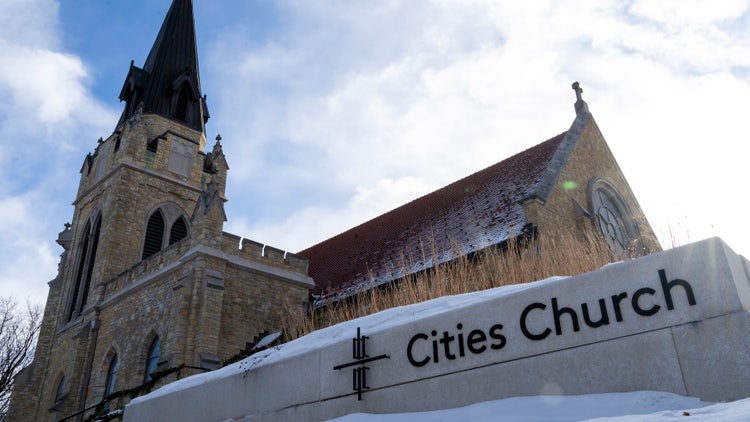
On Thursday (Jan. 22), Attorney General Pam Bondi revealed that federal authorities arrested two people tied to an anti-ICE protest that disrupted a Sunday service at Cities Church in St. Paul, Minnesota.
Bondi announced the arrests of Nekima Levy Armstrong and Chauntyll Louisa Allen, identifying Armstrong as an alleged organizer of what she called a “coordinated attack” on the church. In a post on X, Bondi said she directed Homeland Security Investigations and the FBI to make the arrest and warned, “WE DO NOT TOLERATE ATTACKS ON PLACES OF WORSHIP.” Bondi also wrote that updates would be shared as they became available.
The service interruption drew national attention after protesters marched down the aisle chanting “ICE out” and “Justice for Renée Good,” referring to an American citizen who was fatally shot by an ICE agent during a Minneapolis enforcement operation earlier this month. Federal officials say Armstrong targeted Cities Church because of the pastor’s alleged ties to ICE and sought his resignation. Notably, Allen serves on the St. Paul School Board.
The Justice Department’s Civil Rights Division previously said it was reviewing the incident for potential violations of the federal FACE Act, which can cover interference with religious worship. Additionally, Department of Homeland Security Secretary Kristi Noem said Armstrong is being charged under 18 U.S.C. § 241, a civil-rights conspiracy law that prohibits two or more people from conspiring to interfere with constitutionally protected rights, including the free exercise of religion.
In related news, a Minnesota federal magistrate judge declined to sign a complaint charging independent journalist Don Lemon in connection with the same protest, per CNN. Lemon attended the disruption and, during a livestream, subsequently told the pastor, “There’s a Constitution and a First Amendment, and freedom of speech and freedom to assemble and protest.” Various outlets stated that the Justice Department could still pursue other avenues to charge him.
Anti-ICE protests and the wider Minnesota context
The Twin Cities remain tense after the Jan. 7 shooting of Good during the federal immigration push sometimes described as “Operation Metro Surge.” Federal officials claimed Good tried to run an agent over with her vehicle, while Minnesota leaders and advocates have demanded more transparency about the shooting and the broader enforcement tactics that have fueled daily protests.