Key Takeaways
- The new Community Dialogue and De-escalation Division will consist of unarmed civilians who cannot make arrests, although trained NYPD officers can still intervene when necessary.
- Under the reforms, police will no longer use tear gas, pepper spray, kettling, or long guns for crowd control during First Amendment activities.
- NYPD staffing levels will remain unchanged, with a new Patrol Support Division assisting with missing persons searches, major events, and emergency traffic management.
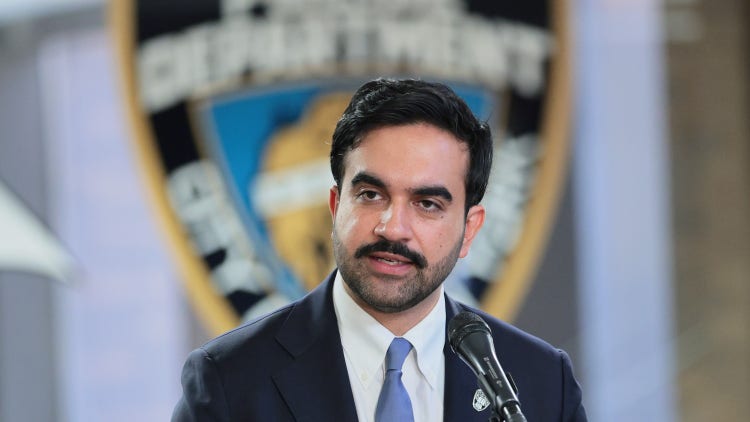
When Zohran Mamdani makes a promise, he knows just how important it is to follow through. On Monday (Nov. 16), the New York City mayor announced that he and NYPD Commissioner Jessica Tisch had agreed to disband the police department’s Strategic Response Group (SRG).
“During our campaign for mayor, I promised to disband the NYPD’s Strategic Response Group, known as the SRG,” he began in a video shared on X. “Today, we are keeping that promise.” Although the unit was originally tasked with “both counterterrorism enforcement and protest response,” it has faced years of criticism over allegations of excessive force and aggressive tactics against the very people officers are meant to protect.
“Those are not the same, and they should be separated,” Mamdani said of the unit’s two responsibilities. Council Member Chi Ossé, who represents New York City’s 36th District, also weighed in: “Government has a responsibility to both protect New Yorkers’ constitutional rights and keep our communities safe. Those priorities are not in conflict; they are intertwined.”
With that in mind, Mamdani revealed that the Mayor’s Office of Community Safety is creating the aptly named Community Dialogue and De-escalation Division (CDDD). Watch his announcement below, then keep scrolling for more details about how the new unit will operate.
What to know about Zohran Mamdani’s new Community Dialogue and De-escalation Division
According to Mamdani, CDDD will be “made up of civilians without weapons or arrest powers,” while the First Amendment Support Team (FAST) will serve as a liaison as the Mayor’s Office continues building out the division. For anyone wondering how arrests will be handled, the mayor clarified that police officers can still step in when necessary.
“Trained officers can be called upon to come make arrests, including for those engaging in civil disobedience,” the mayor explained before joking that he and Ossé “both know something about that.”
“There will be no long guns, tear gas, kettling, or pepper spray used as crowd control tactics during First Amendment activities,” Ossé added. Interestingly enough, the overhaul will also be carried out while “keeping NYPD headcount the same.” The city’s website further explained that the newly established Patrol Support Division (PSD) will coordinate with CDDD and FAST to support patrol operations, whether that means helping locate missing persons, assisting at major events, or managing priority traffic posts during hazardous weather.
Zohran Mamdani and Jessica Tisch explain how the NYPD reforms will protect New Yorkers
“These reforms accomplish the key changes called for by Council Member Chi Ossé’s CURB Act — a bill I am proud to support. Protecting New Yorkers’ rights and keeping our communities safe go hand in hand,” Mamdani said in a statement.
Meanwhile, NYPD Commissioner Jessica S. Tisch emphasized that the changes wouldn't come at the expense of public safety. “I believe strongly that the NYPD must always be willing to examine how we operate and make improvements,” she stressed. “I would never support changes that diminish the NYPD’s ability to protect New Yorkers, or that put our officers in a position where they lack the resources necessary to confront a serious threat. These changes will make us a stronger, more effective department. I thank the men and women of the NYPD for their noble service to this city.”