Key Takeaways
- The WNBPA submitted a revised CBA proposal that lowers its requested revenue share from 31 percent to 27.5 percent of gross revenue.
- The union proposed phasing out team-provided housing for certain high-earning players later in the agreement.
- With training camps opening in roughly two months and a strike authorized, the timeline to reach a deal is tightening.
The 2026 WNBA season is just months away, and with the clock ticking, the league and its players still haven’t reached an agreement on a new CBA. On Tuesday (Feb. 17) evening, ESPN reported that the WNBA Players’ Association submitted a new counterproposal that includes concessions on revenue sharing and housing.
According to the network, a source close to the negotiations said the players’ union is now seeking an average of 27.5 percent of gross revenue, meaning revenue calculated before expenses, over the life of the agreement. That would include 25 percent in the first year, along with a salary cap under $9.5 million. In its earlier proposal from December, the union asked for 31 percent and a cap closer to $10.5 million.
Regarding housing, the union suggested that “teams continue to provide housing to players in the first several years” of the new CBA. In the later years, however, that obligation would phase out for “players making close to the maximum salary on multiyear deals” with full salary protection.
“The Players Association's latest proposal remains unrealistic and would cause hundreds of millions of dollars of losses for our teams," a WNBA spokesperson responded in a statement. “We still need to complete two Drafts and free agency before the start of training camp and are running out of time. We believe the WNBA's proposal would result in a huge win for current players and generations to come.”
Negotiations are getting “awfully close to the 11th hour,” Adam Silver says
Last Saturday (Feb. 14), during an All-Star Weekend press conference, NBA commissioner Adam Silver acknowledged that the teams and players were in an “unfortunate” situation. “We’re coming off tremendous momentum in the WNBA,” he explained. “I feel like in the last few years in particular, the league has turned a corner in terms of fan interest, the commercial success, [and] popularity of players.”
“I’m not ready to set a drop-dead date [on negotiations],” Silver added. He stressed urgency, calling attention to “the calendar and the amount that we need to get done, really over the next two months, because training camps are scheduled to open roughly two months from now.” His comments followed the league’s Feb. 6 proposal responding to the union’s December offer.
The clock is ticking: What happens if a CBA isn’t reached
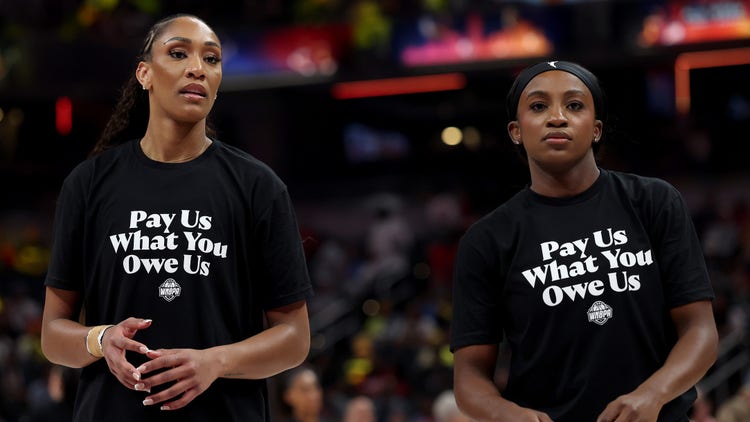
The major question as the season approaches is what happens if a deal isn’t reached. Last December, the union voted to authorize a strike “when necessary,” with a supermajority — 98 percent of voting members — signaling they were willing to withhold labor as leverage in negotiations.
If no agreement is finalized, the season could be postponed. It’s worth mentioning that the expansion draft for the Toronto Tempo and Portland Fire has already been delayed, per AP News. As it stands, the 2026 WNBA Draft is scheduled for April 13, with the season set to tip off May 8.