
Debbie Allen is a name that already lives in television history, whether people realize how much of that history she helped build or not. Most audiences know her as a dancer, actress, and producer, but she's also one of the most consistent, influential directors to ever move through television. She has been diligently shaping comedy, drama, youth programming, and prestige series across decades.
She has directed episodes of some of the biggest and most respected shows of her era. From “A Different World,” where she helped redefine how Black college life was shown on screen, to “Grey’s Anatomy,” where she brought emotional precision to high-stakes medical storytelling. From “Scandal” and “How to Get Away with Murder” to “Empire,” she stepped into powerhouse dramas and held their tone with confidence. With the addition of sitcoms like “The Fresh Prince of Bel-Air" and “That’s So Raven,” she’s touched nearly every corner of television. What makes her directing special isn’t just volume — although the volume is impressive — it’s truly her consistency that stands out.
No matter the genre, her episodes feel paced, intentional, and emotionally grounded. Comedy never becomes careless. Drama never becomes an empty spectacle. She directs people, not just scenes. Her background in dancing, singing, and acting shows up in how television moves under her eye. Entrances matter. Pauses matter. Silence matters.
She understands how bodies, not just words, tell stories. That’s why her episodes often feel more alive and more human. The wild part? Most people don’t realize how many shows she’s quietly shaped. They recognize the feelings those episodes gave them, but not always the name in the credits. Here are eight TV shows you might not have known she directed and what her presence brought to each one.
1. The Jamie Foxx Show
(Episodes: S2, E7 “Misery Loves Company” and S2, E13 “Soul Mate to Cellmate”)
“The Jamie Foxx Show” thrived on charisma from fast jokes, big energy, and personality-driven humor. It was loud by design, but it still needed grounding. Her episodes lean into balance. The humor still hits, but characters are allowed to feel what they’re going through. She doesn’t rush scenes just to land the next punchline.
Even in comedy, she leaves room for people to process what’s happening to them. She understands that sitcoms run on connection, not just the jokes. That’s what gives her episodes a slightly deeper pulse than you might expect from a laugh-forward series.
2. The Parkers
(Episode: S4, E23 “The Good, the Bad, and the Funny”)
“The Parkers” is bold, theatrical, and dramatic. Characters speak loudly, love hard, and take up space. Her direction keeps the comedy big without making it careless. Even when things are exaggerated, the characters stay human. She understands how to guide large personalities without turning them into cartoons. The humor comes from who they are — not from making them the joke. That balance keeps the show fun without stripping it of heart.
3. That’s So Raven
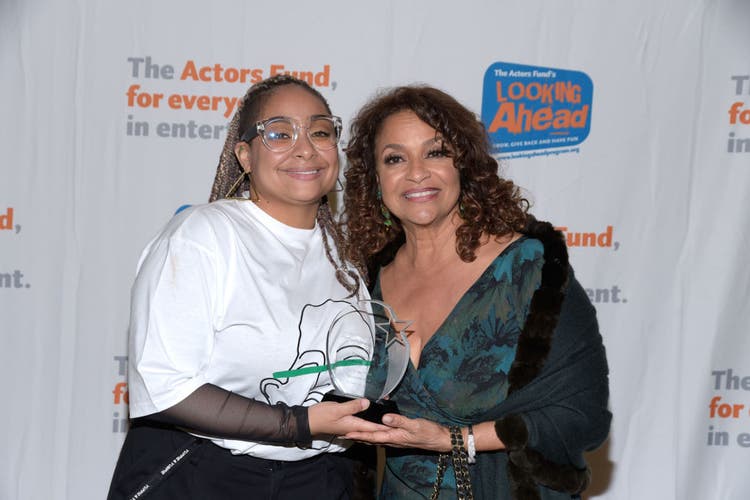
(Episodes: Five Episodes in S2, S3, S4)
“That’s So Raven” depends on the timing of Raven’s physical comedy, facial expressions, rhythm, and energy. It’s the kind of show where a beat too early or too late can ruin a joke. Across five episodes, her sense of movement shows. Scenes flow naturally. Comedy feels choreographed but never stiff. She also has a gift for working with young performers by letting them be playful without losing control of the story. The tone stays fun without getting sloppy.
4. The Game
(Episode: S3, E9 “Oh What a Night”)
“The Game” lives at the crossroads of love, ego, ambition, and mess. It’s funny, but it’s also emotionally loaded. In her episode, relationships feel real, and each one of the characters is going through something when it comes to dating. Conversations don’t sound polished, but they sound lived in. She allows characters to be awkward, unsure, and emotionally layered. Joy and tension exist in the same room, which gives the episode its depth. It’s a reminder that drama doesn’t need to shout to be powerful.
5. Jane the Virgin
(Episodes: S1, E4 “Chapter Four” and S1, E20 “Chapter Twenty”)
“Jane the Virgin” moves between fantasy and real life, comedy and heartbreak. Directing it means knowing when to lean into magic and when to ground things emotionally. Her episodes respect that balance. Light moments stay light. Heavy moments aren’t rushed. Family dynamics feel textured instead of symbolic. Women are shown as complicated and not just strong or soft, but often both at once. Her direction adds depth instead of flattening the show’s heart.
6. All of Us
(Episodes: 44 Episodes in S1, S2, S3, S4)
“All of Us” is built around conversations from blended family dynamics, friendship, romance, parenting, and adult relationships. Directing 44 episodes means shaping the heartbeat of a show. Her influence shows in how natural the dialogue feels. The scenes aren’t stiff, and the actors interrupt each other, pause, and react — but with reason. She guides performances so they feel like real people talking and not actors waiting for their turn. That naturalism becomes the show’s identity.
7. Everybody Hates Chris
(Episodes: 10 Episodes in S2, S3, S4)
“Everybody Hates Chris” tells childhood stories through humor, memory, and family chaos. It needs warmth as much as timing. Her episodes lean into that warmth. The family feels lived in. Kids aren’t over-directed, and they’re allowed to move, react, and exist naturally. The humor never erases the emotional truth underneath it. The comedy feels kind, not cutting.
8. Insecure
(Episode: S1, E6 “Guilty as F**k”)
“Insecure” thrives on subtle emotion from awkward pauses, quiet tension, unsaid feelings.
Her episode honors that style. She doesn’t over-direct. She lets silence sit. She trusts the actors to carry moments without heavy instruction. The result feels intimate, thoughtful, and emotionally honest. Her style as a director fits the show like it was always meant to.