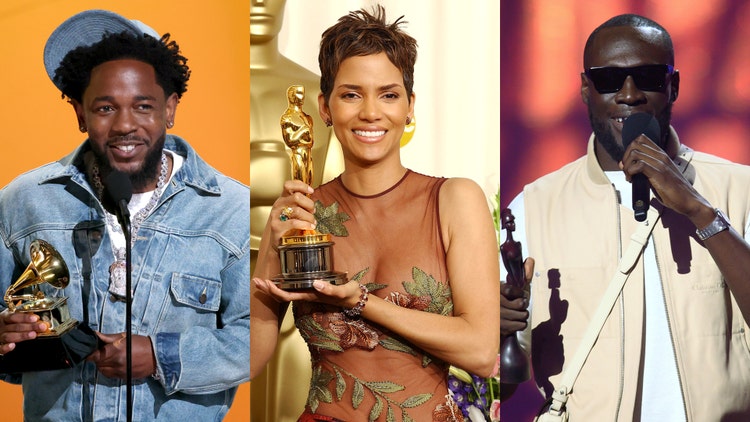
Award shows have long been a stage where culture meets spectacle, and some of the most iconic ceremonies in American entertainment were built on recognizing achievements in film, music, and television — including those of Black artists and storytellers. From the glitz of the Oscars to the high-energy chaos of MTV’s VMAs, each of these events began with a distinct purpose: To spotlight artistry, boost visibility for networks and industries, or, in some cases, to carve out space where Black excellence could shine when mainstream platforms overlooked it.
Over time, these shows became more than just trophy handouts. They’ve served as cultural markers where unforgettable performances, powerful speeches, and historic wins helped redefine the landscape of entertainment. For Black entertainers especially, these ceremonies have often doubled as battlegrounds for inclusion and representation. The creation stories behind them reveal how business, creativity, and social change converged to build some of the country’s biggest nights in entertainment.
1. Grammy Awards
Born in the ‘50s from the Recording Academy (inspired by Hollywood’s Walk of Fame committee), the Grammys set out to honor recorded music and was originally dubbed the “Gramophone Awards.” The first show ran bi-coastal in L.A. and New York. Over time, it became both music’s top trophy and a flashpoint for Black artistry and recognition.
2. Soul Train Awards
Debuting from Don Cornelius’ legendary TV franchise, the Soul Train Music Awards honored R&B, soul, gospel, and Hip Hop often overlooked elsewhere. With unforgettable hosts and performances, it became a signature stage for celebrating Black music and culture, extending the legacy of “Soul Train” into award show history.
3. BRIT Awards
Debuting in the ‘70s, the BPI’s BRIT Awards began as a one-off show and became annual the following decade, later rebranded as the BRITs. As the U.K.’s flagship awards, they are known for culture-shaping TV moments and an iconic statuette. Spanning pop, R&B, and Hip Hop, the BRITs have elevated Black British talent and stars.
4. NAACP Image Awards
Founded by the NAACP amid the Civil Rights era, the Image Awards were created to spotlight positive, high-quality portrayals of people of color. Member-voted, the show honors excellence across film, TV, music, literature, and more, with marquee honors like Entertainer of the Year and the President’s and Chairman’s Awards.
5. American Music Awards
Launched in the ‘70s by Dick Clark as a fan-voted counterpoint to the Grammys, the AMAs are centered on popularity and performance — nominations reflect sales, airplay, and digital impact. The show quickly became a ratings-era spectacle and a key stage for Black pop and R&B crossover moments, from show-stopping performances to record wins.
6. Country Music Association Awards
First staged in the ‘60s to spotlight Nashville’s country industry, the CMAs became the genre’s biggest night. Yet its history highlights a glaring gap: Black pioneers shaped country’s roots, but were long excluded. Charley Pride’s wins and Beyoncé’s past performance — followed by backlash and snubs — remain lightning rods for conversation.
7. Source Awards
Launched by The Source magazine, the Source Awards gave Hip Hop its first nationally televised awards stage. Notably, the 1995 ceremony became infamous for intensifying the East Coast – West Coast feud and historic moments like André 3000’s “The South got something to say,” cementing its cultural impact.
8. Emmys
ATAS’ flagship honors for U.S. primetime television launched in the ‘40s. The ceremony spotlights series, performances, and crafts (many awarded at Creative Arts). The Primetime Emmys are the most visible branch among Daytime, News & Documentary, Sports, Children’s & Family, International, and Regional Emmys. Either way, all have recognized TV and milestone accomplishments for Black storytellers.
9. BET Hip Hop Awards
Launched in 2006, the BET Hip Hop Awards carved out space to honor rap on its own terms, celebrating artists, DJs, producers, and lyricists. Known for its cyphers and lifetime “I Am Hip Hop” award, the show spotlights Hip Hop’s cultural power across generations.
10. Golden Globes
Founded in the ‘40s, the Golden Globes honor excellence in film and television. Long run by the HFPA, the franchise was subsequently acquired by Dick Clark Productions, with philanthropy via the Golden Globe Foundation. A January awards-season bellwether, it’s also marked by recurring diversity/ethics controversies that spurred reforms and a revamped voting body.
11. MOBO Awards
Founded by Kanya King and Andy Ruffell, the MOBOs spotlight “music of Black origin” across Hip Hop, grime, R&B, reggae, gospel, and more. Touring major U.K. cities, the show boosted stars from Craig David to Stormzy while drawing debate over category choices and representation in British music culture.
12. Billboard Awards
Launched by Billboard, the BMAs reward chart success across sales, streams, radio, and touring. Unlike peer-voted shows, winners are determined by data. From Whitney Houston to Drake, Black artists have dominated key moments, with special honors like the Icon and Millennium Awards cementing their legacy.
13. Academy Awards
Founded in 1929, the Oscars are Hollywood’s top film prizes. A canon-maker and career rocket, they’re also a mirror of exclusion — decades between Hattie McDaniel (1940) and Halle Berry (2002), the #OscarsSoWhite reckoning, and incremental wins (Moonlight, Black Panther, Michelle Yeoh). Later inclusion standards are working to widen access amid persistent gatekeeping.
14. BET Awards
Founded to honor Black excellence, the BET Awards mix celebration with network imperatives: Spectacle, ratings, sponsor-friendly pop. Trophies cluster around megastars (Beyoncé, Kendrick), while genre breadth and international recognition ebb with programming priorities. Still, the telecast doubles as a cultural town hall with memorials, activism, and lifetime tributes.
15. Tony Awards
Launched in 1947 by the American Theatre Wing and named after actress-producer Antoinette “Tony” Perry, the Tonys honor Broadway excellence. As theater’s top prize, they’ve propelled shows like “Hamilton” and “The Wiz” into landmarks, spotlighting Black storytelling while facing ongoing debates about representation, accessibility, and Broadway’s gatekeeping traditions.
16. MTV Video Music Awards
Created as MTV’s answer to the Grammys, the VMAs became famous for headline-grabbing performances and pop culture pageantry. Hip Hop and R&B artists, from Michael Jackson and Missy Elliott to Beyoncé and Kendrick Lamar, cemented the show’s legacy, even as fan voting often pushes mainstream pop acts to the forefront.
17. British Academy Film Awards
Often called the “British Oscars,” the BAFTAs spotlight international cinema alongside homegrown talent. Black artistry has marked milestones here, from Georgina Campbell becoming the first Black actress to win Best Actress in 2015 to Diversity’s Black Lives Matter–inspired performance taking home a Must-See Moment BAFTA in 2021.