Key Takeaways
- Black Newporters shaped the Gilded Age through entrepreneurship, medicine and civic leadership.
- They founded and supported community institutions and civil rights efforts amid segregation.
- Newport's Black history center highlights residents often overlooked in accounts of the city's past.
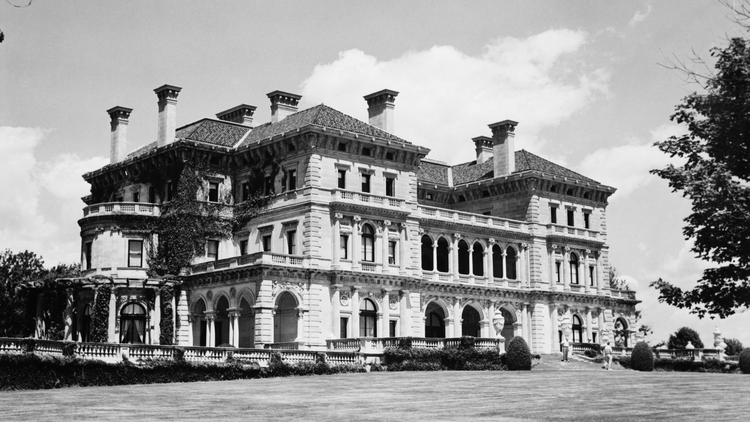
The grand rooms of Newport's Mansions have become familiar to fans of HBO's "The Gilded Age." From the Vanderbilt family's lavish summer residence at The Breakers to the elaborate interiors of The Elms, Rhode Island's seaside city offers a glimpse into 19th-century America's wealth and social ambitions.
But beyond those mansions, Black Newporters were building businesses, practicing medicine, fighting for civil rights and creating opportunities for generations to come.
During a trip with Discover Newport, I explored that history firsthand, visiting historic mansions, a newly opened Black history center and one of the country's most significant African burial grounds. Along the way, I discovered stories of people whose contributions rarely receive the same attention as the city's wealthiest families.
Known for its coastal scenery, historic architecture and extravagant summer estates, Newport has long attracted visitors interested in America's Gilded Age. Set in the 1880s, HBO's historical drama, created by Julian Fellowes, follows the rivalry between old-money families and wealthy newcomers trying to break into New York's high society. The series has also brought renewed attention to Newport, with scenes filmed at The Breakers, Rosecliff and other preserved mansions. The Season 1 finale's grand ballroom scene was filmed inside the beautiful Music Room at The Breakers.
The series also follows Peggy Scott, a fictional Black journalist played by Denée Benton, and explores the lives of Black professionals and families navigating racism and class divisions.
At the Edward W. Kane and Martha J. Wallace Center for Black History, located inside the historic Wanton-Lyman-Hazard House, I spoke with director Dr. Akeia de Barros Gomes about what the show gets people talking about — and whose stories still deserve attention. "I think first and foremost… I don't wanna knock the show. I think it's doing something very important by representing Black wealth," she said.
Still, Gomes emphasized that wealthy families represented only a small portion of the city's Black population. Housekeepers, teachers, parents, transportation workers and small-business owners also played important roles, although their experiences were often less documented. "Often, those stories are easier to document because elites leave behind written records and photographs and articles of clothing and furniture, whereas, you know, people who have a 9-to-5, people who live in poverty don't leave those things behind," she explained.
How Black entrepreneurs built wealth in Gilded Age Newport
Among the figures I learned about was Mary H. Dickerson, a successful Black dressmaker whose business catered to the city's fashionable summer residents. Theresa "Soni" Guzmán Stokes, executive director of the Rhode Island Black Heritage Society, explained that Dickerson operated her shop near Bellevue Avenue and Bath Road, now Memorial Boulevard.
Dickerson trained and employed other women, accumulated property and helped establish organizations supporting Black women and families, including the Newport Women's League and its childcare efforts. "By the time she passes, she is in the tax rolls owning 11 properties throughout Newport," Soni said.
Dickerson was far from alone. Gomes described Black-owned grocery stores, restaurants, transportation businesses and medical practices. She also highlighted George T. Downing, who operated the Sea Girt House hotel along Bellevue Avenue and advocated for desegregating Rhode Island's public schools. His work showed how business success could become a platform for political change.
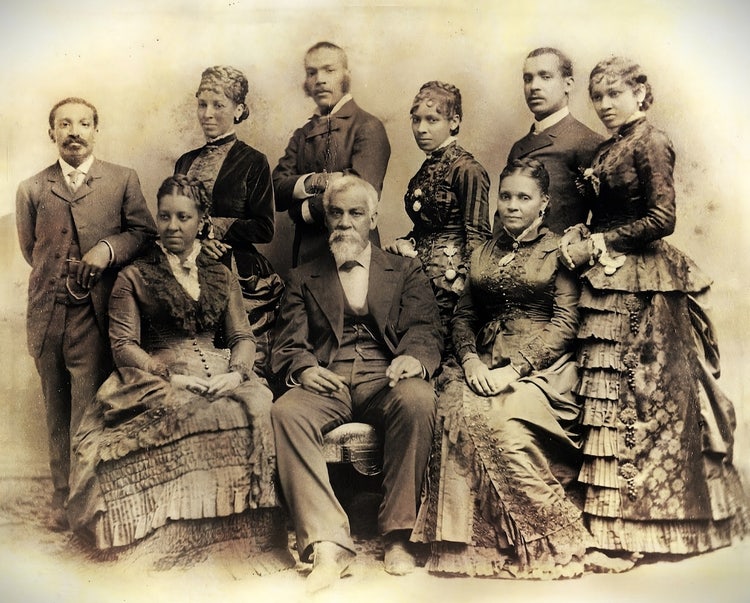
Andrew J. Tabb's journey was equally remarkable. Born enslaved in Virginia, he escaped to Union forces during the Civil War and later became the operator of a highly successful livery stable next to his home. He also helped establish Mt. Olivet Baptist Church in 1895.
These entrepreneurs' success went beyond business, helping establish institutions that supported residents navigating segregation.
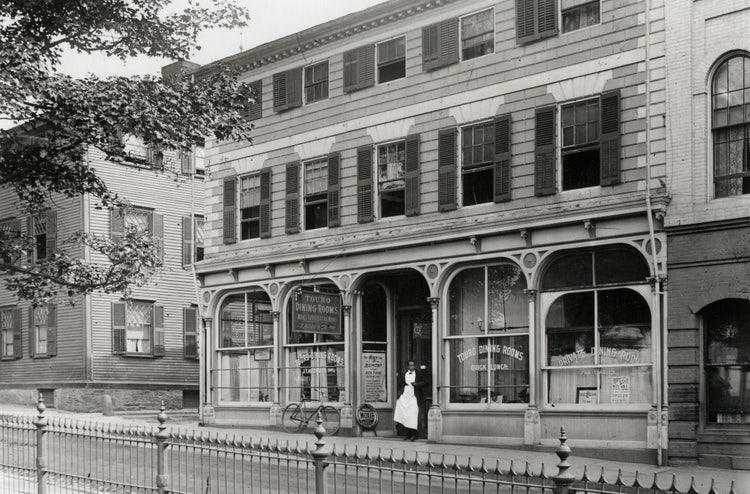
Keith Stokes, who was named Rhode Island's historian laureate in April 2025, described that success as the result of generations of institution-building rather than a sudden development during the Gilded Age. "They were not trying to emulate white wealth and culture. Instead, they aimed to establish a sense of interdependence and Black excellence, and that plays out in Newport as compared to any other community at that time," he said.
The resort community also attracted Black families from cities including Boston, New York and Philadelphia, creating opportunities to socialize, exchange ideas and build relationships.
The Black doctors, journalists and leaders who shaped Newport
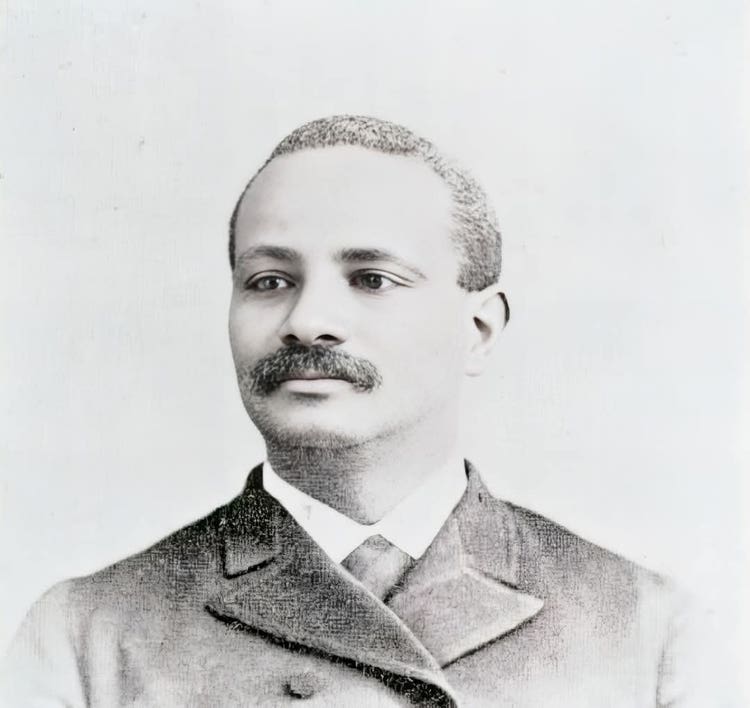
Other remarkable figures included Black professionals whose accomplishments reached far beyond Rhode Island. Dr. Marcus Wheatland owned Newport's very first X-ray machine and became a leading expert on using the new technology to help patients. Keith described how Wheatland used his earnings to support his church and community.
Another influential figure was the Reverend Mahlon Van Horne, a pastor, elected official and civil rights advocate whose life helped inspire "The Gilded Age" character Frederick Kirkland. His son, Dr. M. Alonzo Van Horne, graduated from Howard University's dental school and became Rhode Island's first licensed Black dentist. The reverend's daughter, Louisa Van Horne, became Newport's first Black public school teacher. Keith, a descendant of the family, discussed how their achievements helped shape the city's professional and civic life.
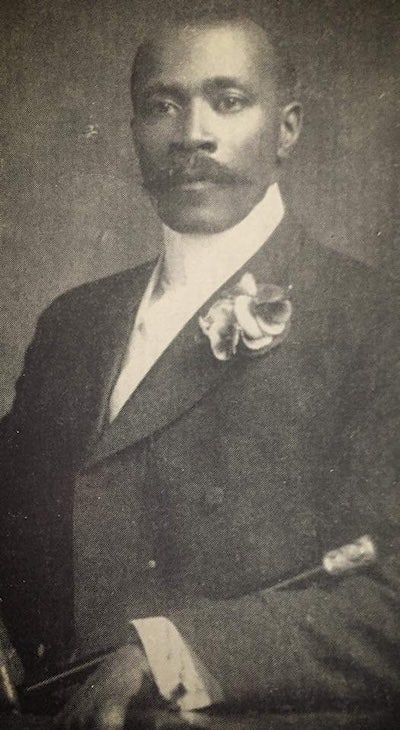
Then there's Lillian Susie Fitts Jeter, a Black journalist and writer from Newport whose work appeared in publications like the Ladies' Home Journal, the Saturday Evening Post and McCall’s Magazine. Journalism also ran in her family. Her grandfather, Thomas Hamilton, was the editor of a weekly New York City paper called Anglo-African. For a journalist like myself, learning about a Black woman whose work reached major publications during that era was particularly meaningful.
Soni was particularly impressed by Jeter's reach: "But what really impressed me about her, and I'm not too sure we'll ever know how it was done... She's one of the few Black writers who were writing for white papers, white magazines."
One of the most meaningful stops was God's Little Acre, within Newport's Common Burying Ground on Farewell Street. During a tour led by Keith and Soni, we explored the colonial-era African burial ground, one of the largest in the country, that connects visitors to generations of the city's Black residents.
Among the graves I saw was that of Dr. Harriet Rice, whose headstone stands in the Rice family plot. Rice was a Newport-raised physician and the first Black woman to graduate from Wellesley College. After facing discrimination while pursuing medical opportunities in the United States, she moved to France and treated wounded soldiers during World War I. In 1919, she received a bronze Medal of French Gratitude for her service.
Standing before her gravestone made Rice's story feel even more personal. I had learned about her accomplishments, but seeing her name etched into stone brought that history closer. “It's that kind of perseverance and knowing when it's important to do what's right," Soni said.
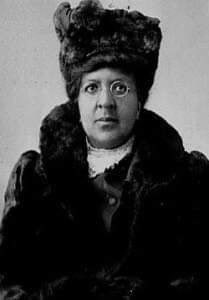
For Gomes, who didn't learn much about these trailblazing figures in history, preserving those experiences is deeply personal. "I grew up here and did not learn an ounce of Black history in any of my schooling," she recalled. Today, the Center for Black History offers a dedicated space for sharing those experiences and expanding the stories visitors encounter.
HBO's "The Gilded Age" may introduce viewers to the city through grand parties, fashionable clothing and magnificent homes. But those images only tell part of its history. As Keith put it, "I don't want anyone to think that watching this series gives you all the information you need to know about Black history or certainly Black history in the Gilded Age."
Behind Newport's famous estates are generations of people who turned opportunities into ways to uplift their communities. And for those curious to learn more, there's plenty of history to discover beyond the mansions.