Key Takeaways
- The Supreme Court ruled that a former Louisiana prisoner cannot seek money damages after officers cut his dreadlocks, even though his religious rights were acknowledged as violated.
- The decision centers on the Religious Land Use and Institutionalized Persons Act and whether it allows lawsuits against individual prison employees.
- A dissenting opinion argued the ruling undermines Congress’ intent to protect religious exercise in institutions that receive federal funding.
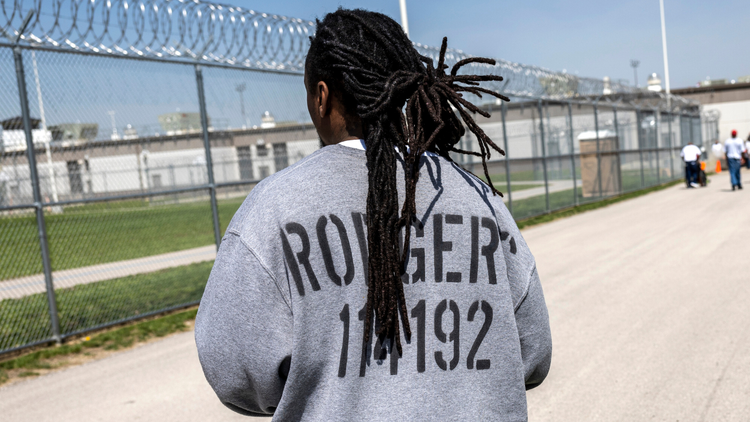
The U.S. Supreme Court ruled Tuesday (June 23) that a former Louisiana inmate cannot pursue money damages against prison officials who forcibly cut his dreadlocks, even though the justices acknowledged his religious rights were violated. According to the Associated Press, the decision centers on the limits of a federal law meant to protect incarcerated people’s religious freedom.
Damon Landor, a Rastafarian whose faith requires him to keep his hair uncut, sued after prison staff shaved his head during a brief stay in Louisiana’s prison system in 2020. His lawsuit relied on the Religious Land Use and Institutionalized Persons Act, commonly known as RLUIPA, a federal law that protects religious practices in institutions receiving federal funding.
In a 6-3 ruling, the court sided with prison officials and upheld lower court decisions that found RLUIPA does not allow individual prison employees to be held personally liable for monetary damages. Justice Neil Gorsuch, writing for the majority, said the law does not authorize lawsuits against individual officers in their personal capacity.
The ruling does not defend what happened to Landor. In fact, no one involved in the case disputed that his religious beliefs should have been protected. Instead, the court focused on whether Congress intended for prison employees themselves to face financial consequences under the statute. The majority concluded that because individual officers never personally agreed to the conditions tied to federal funding, they cannot be sued for damages under RLUIPA.
Justice Ketanji Brown Jackson strongly disagreed. “It is not often that a real-life incident so clearly illustrates Congress’ reasons for adopting legislation, or the Constitution’s wisdom in enabling it,” she wrote in a dissent joined by Justices Sonia Sotomayor and Elena Kagan, per AP.
How Damon Landor’s dreadlock-cutting case reached the Supreme Court
According to court records cited by AP, Landor entered Louisiana custody carrying a copy of a previous appeals court ruling that protected Rastafarian inmates from having their dreadlocks cut. Officials at two facilities honored his religious beliefs without issue.
Things reportedly changed when he arrived at Raymond Laborde Correctional Center in Cottonport during the final weeks of his sentence. Records state that a guard threw away the legal ruling he carried. Landor later alleged that prison staff restrained him while another officer shaved his head down to the scalp despite his religious objections.
After his release, he filed suit seeking damages. Lower courts dismissed the case, and the Supreme Court ultimately agreed that the federal statute does not provide a path to hold individual officers financially responsible.
Louisiana told the court that it has since updated its prison grooming policy to prevent similar incidents from happening in the future, per AP. For Rastafarians, dreadlocks carry deep cultural and spiritual significance that extends far beyond appearance.