Key Takeaways
- Sean Grayson received the maximum sentence after being convicted of murdering Sonya Massey in her home.
- Massey’s family rejected his apology, calling it insincere and delivered too late.
- The case led to the Sonya Massey Act, which enforces stricter police hiring standards in Illinois.
Sean Grayson waited until the moment he was facing 20 years behind bars to finally admit he did something wrong. Last Thursday (Jan. 29), the former Illinois sheriff’s deputy expressed remorse as he was sentenced for the 2024 killing of Sonya Massey, a Black mother of two, who called 911 for help and never made it out alive. For her family, the apology landed exactly where it belonged — too little, too late.
Grayson, who was convicted of second-degree murder back in October, spoke publicly for the first time, acknowledging wrongdoing as he faced the maximum sentence. His comments marked a sharp turn from months of testimony where he framed Sonya as a threat. Now, with his freedom on the line, he apologized and called his actions “terrible decisions” and said, “I was very unprofessional that night. She didn’t deserve to be yelled and cussed at and called names. Nobody deserves that.”
A violent encounter that never had to happen
Sonya called 911 in the early morning hours of Jul. 6, 2024, to report a possible prowler outside her Springfield home. What followed was not protection; it was fatal escalation. According to trial testimony and body camera footage detailed by the Associated Press, Grayson and another deputy entered her home after searching the area. Inside, the situation unraveled quickly.
Sonya, visibly distressed, said, “Please, God,” and later told Grayson, “I rebuke you in the name of Jesus.” When Grayson noticed a pot on the stove, he fixated on it. Even after the 36-year-old complied with orders to put the pot down, Grayson drew his weapon. Seconds later, he fired, shooting her in the face. Prosecutors said Sonya posed no imminent threat. Grayson claimed otherwise — until sentencing day, of course.
Judge Ryan Cadigan sentenced Grayson to the maximum 20 years, followed by two years of supervised release, saying, “That bit of unreasonable rage needs to be deterred,” according to NBC News. State’s Attorney John Milhiser pushed for the longest possible term, telling the court, “If the max were more, we would ask for more.” Grayson’s defense argued for leniency due to his worsening stage 4 colon cancer, but the judge was unmoved.
Just before the verdict, Sonya’s mother, Donna Massey, looked at Grayson and repeated the words her daughter spoke before her death. “Sean Grayson, I rebuke you in the name of Jesus,” she said, according to The New York Times.
Sonya Massey’s family speaks and rejects the apology
Sonya’s children addressed the court publicly for the first time. Her daughter, Summer Massey, said, “It does not feel like he truly understands or cares about the damage he has caused.” After sentencing, the 16-year-old added, “I’m thankful for all the love and support that everybody has came out and shown, and I’m grateful that we got the maximum sentence that we could. Twenty years is not enough, but they did what ... they could do.” Her son, Malachi Hill Massey, described his grief plainly: “My soul is ripped. It’s like a part of me is really dead.”
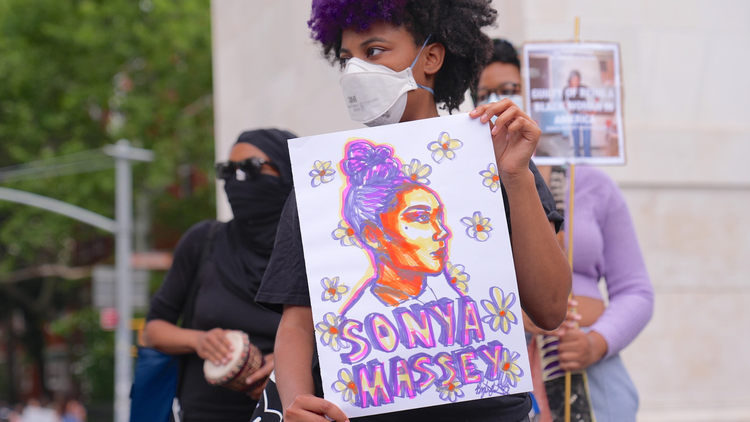
Grayson’s remorse may be on the record now, but for the family left behind, it changes nothing. Sonya’s death sparked protests and led to the passage of the Sonya Massey Act in Illinois, requiring stricter background checks for police hires — changes that came only after a life was taken.