Key Takeaways
- Rosa Parks’ quotes reflect a lifelong commitment to justice, not just one historic moment.
- Each quote is paired with context that connects her words to broader civil rights struggles.
- The piece explores how her words continue to inspire modern movements for racial justice.
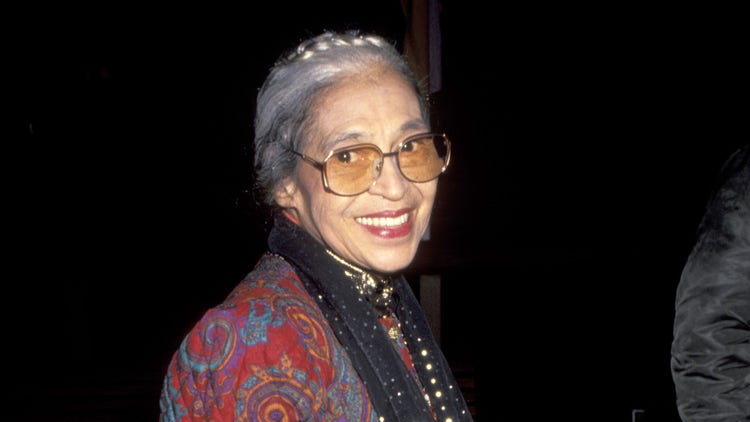
When thinking about the many women who shaped the civil rights movement, Rosa Parks is probably the first name that comes to mind. In 1955, she boarded a bus in Montgomery, Alabama, and instead of moving to the back — she chose to remain seated in the fifth row — the first row of the "colored" section as the driver demanded that row for a standing white man. As most people know by now, her refusal to give up her seat to a white man soon became the catalyst for the Montgomery bus boycott.
“During the Montgomery bus boycott, we came together and remained unified for 381 days. It has never been done again,” she said of its significance. “The Montgomery boycott became the model for human rights throughout the world.”
Although some people try to reduce her legacy to that single historic moment, Parks accomplished much more throughout her life. After moving to Detroit, she served as an administrative aide to U.S. Representative John Conyers. Widely regarded as a mother of the civil rights movement, she also wrote several books and received numerous awards, including the Presidential Medal of Freedom.
In honor of Black History Month and her lasting impact, we’re revisiting the life’s work of Rosa Parks through her own words. Scroll below for 11 quotes that help tell her story.
1. “I would like to be known as a person who is concerned about freedom and equality and justice and prosperity for all people.”
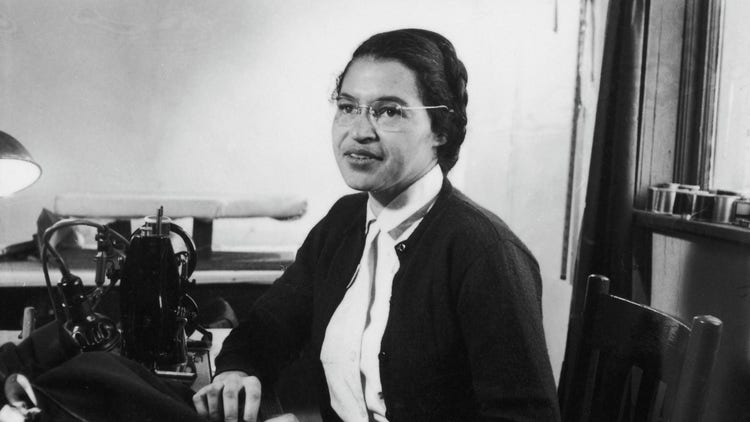
Speaking on her 77th birthday, Parks reiterated that she wanted her legacy to reflect a lifelong concern with collective well-being, not just one defining moment in history (even if some people insist on narrowing it down to that). To her, civil rights were part of a much larger fight for "freedom and equality" for everyone, and especially those in Black and brown communities.
2. "You must never be fearful about what you are doing when it is right."
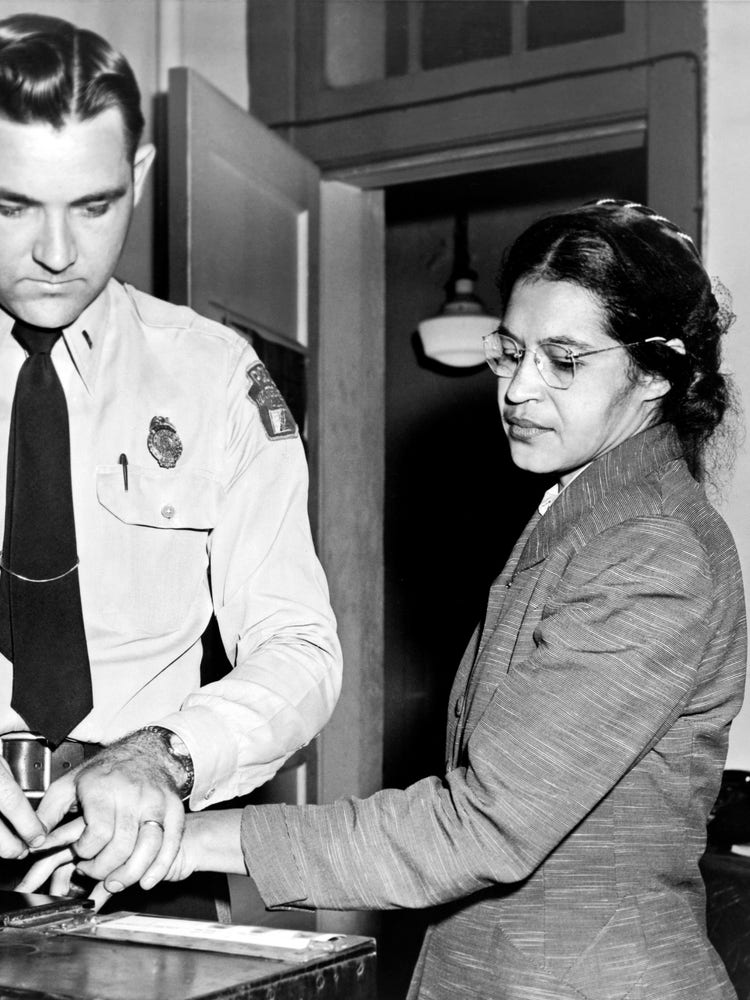
Doing the right thing often comes with consequences, as Parks’ years of activism show, but fear shouldn’t dictate our actions. After all, imagine how different things might be if she had quietly given up her seat on that Montgomery bus.
3. "Whatever my individual desires were to be free, I was not alone. There were many others who felt the same way."
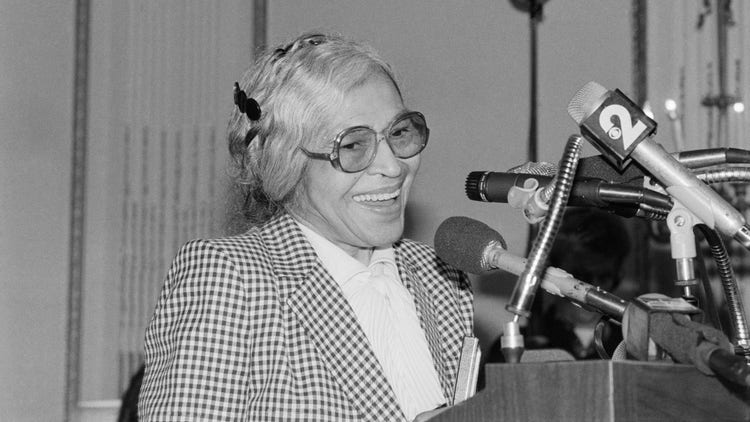
As quoted in “Refuse to Stand Silently by: An Oral History of Grass Roots Social Activism in America,” Parks stressed that her goals and desires extended far beyond herself. The civil rights movement existed because people felt the same hopes and frustrations, and even today, many continue to share those same dreams and ideas.
4. "There were times when it would have been easy to fall apart or to go in the opposite direction, but somehow I felt that if I took one more step, someone would come along to join me."
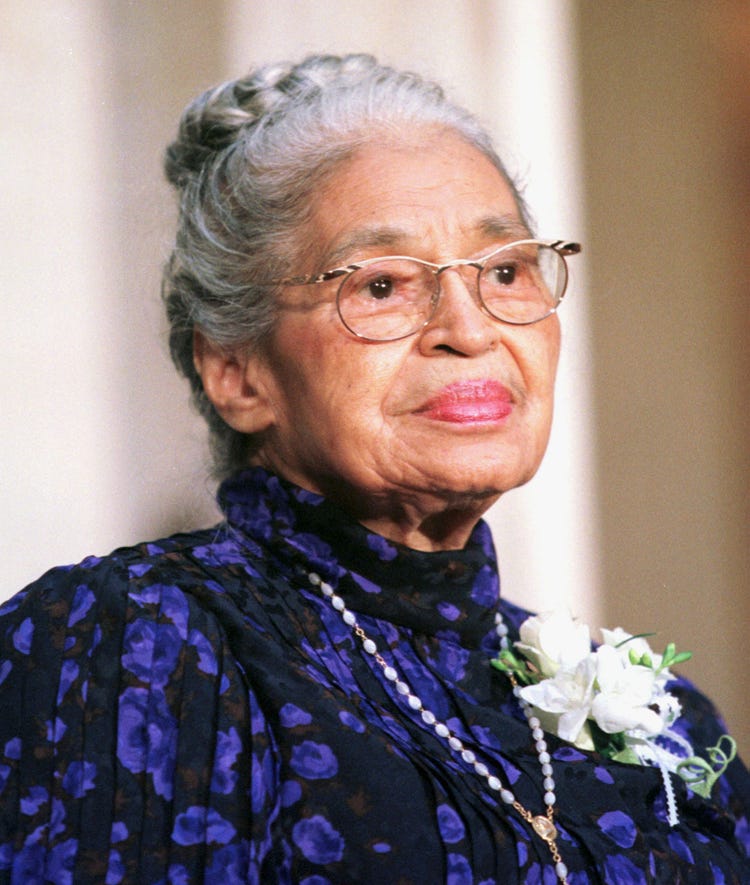
Echoing a feeling that other civil rights leaders like Martin Luther King Jr. and Malcolm X also expressed, Parks acknowledged how isolating and draining resistance can feel in the moment. Even though she often wanted to turn the other cheek, she believed that courage would inspire others to step forward as well.
5. “Racism is still with us. But it is up to us to prepare our children for what they have to meet, and, hopefully, we shall overcome.”
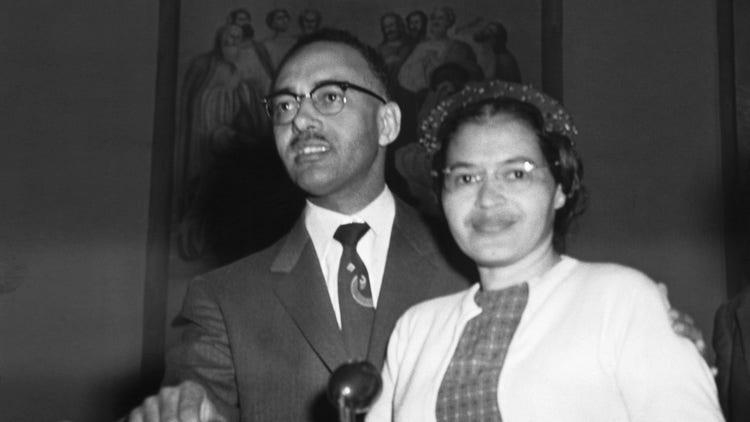
As appealing as the thought may be, racism isn’t something we can erase overnight. While speaking with Washington Post columnist Courtland Milloy at a celebration of her life at Howard University in 1998, Parks explained that it’s our responsibility to teach younger generations what it truly takes to overcome it.
6. "It takes more than one person to bring about peace — it takes all of us."
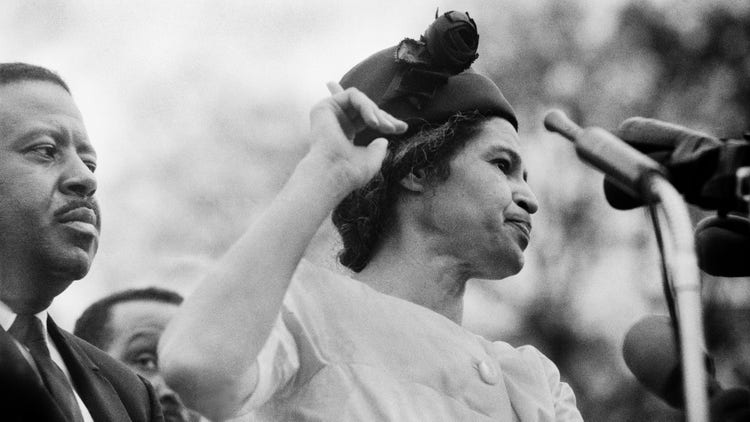
Lasting change can't rely solely on one hero or leader, which is something our civil rights figures — both past and present — understand better than anyone. Peace requires us to hold one another accountable, share in effort, and participate as a whole community.
7. “I believe we are here on the planet Earth to live, grow up, and do what we can to make this world a better place for all people to enjoy freedom.”
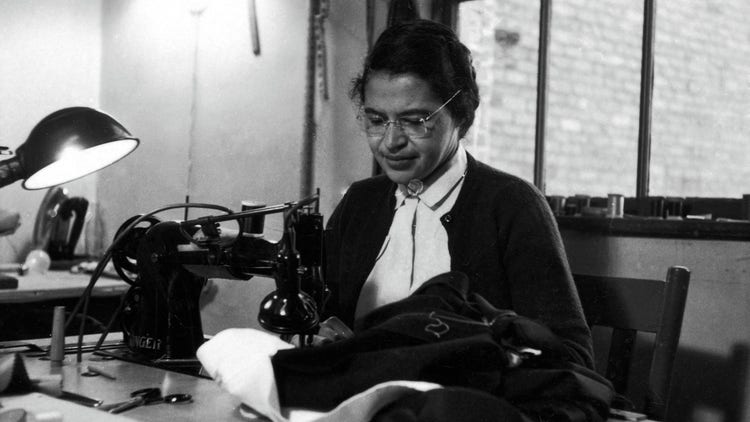
In 1988, LIFE Magazine asked 300 “wise men and women” to reflect on the meaning of life, with Parks being among them. “Human beings are set apart from the animals. We have a spiritual self, a physical self, and a conscience. Therefore, we can make choices and are responsible for the choices we make. We may choose order and peace, or confusion and chaos,” she explained, before leading into the quote above.
8. "I felt the Lord would give me the strength to endure whatever I had to face. God did away with all my fear."
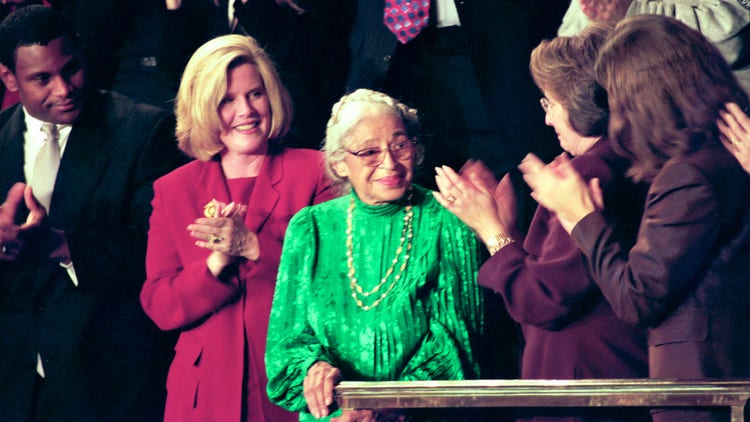
Much like other civil rights leaders, Parks understood that she couldn’t carry out her work without relying on a higher power. Her belief provided emotional strength when circumstances felt overwhelming, which is something we can all draw from, too.
9. "To bring about change, you must not be afraid to take the first step. We will fail when we fail to try."
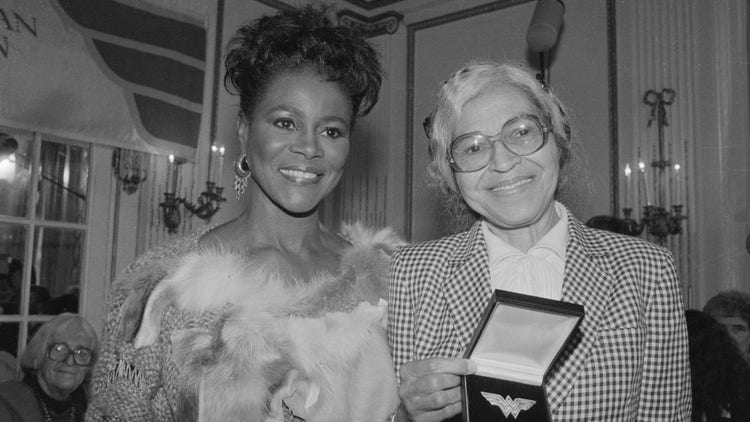
Pulled from “Reflections by Rosa Parks,” the mother of the civil rights movement emphasized that progress starts with action. As intimidating as that first step can be, she believed the real failure comes from not stepping forward at all.
10. "Each person must live their life as a model for others."
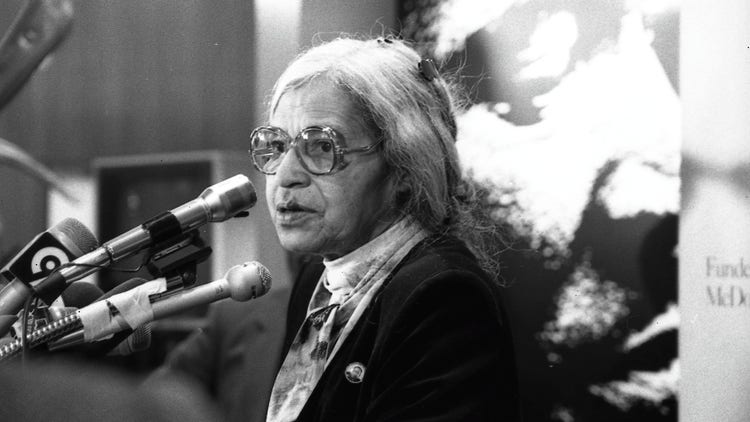
Whether we mean to or not, our lifestyle choices and decisions influence the people around us. Following the example of Parks, it’s on us to live with integrity and set an example that encourages change in others.
11. "As long as people use tactics to oppress or restrict other people from being free, there is work to be done."
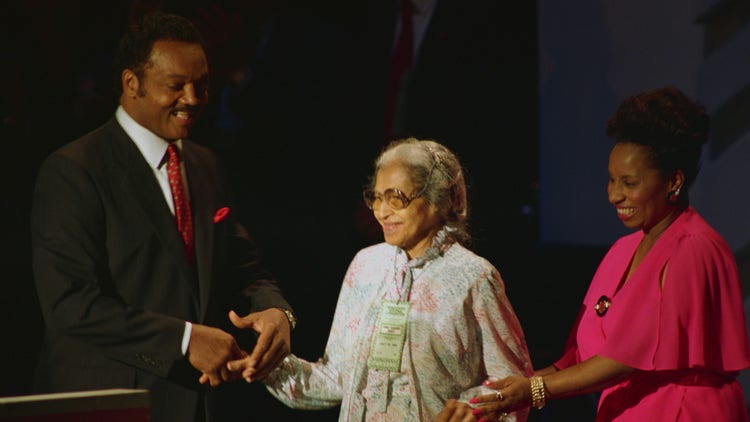
“Although we made many gains, racism is still alive,” Parks wrote in “Quiet Strength,” which she co-authored with Gregory Reed. As long as inequality exists, it remains our responsibility to challenge it wherever it shows up. Progress doesn’t mean the work is finished just because some of us are living comfortably while others continue to face oppression.