Key Takeaways
- Each quote is paired with historical context, showing how MLK’s words still apply to today’s justice movements.
- The list includes both iconic and lesser-known quotes, offering a deeper look into MLK’s philosophy.
- Bernice King’s reminder to act on her father’s teachings sets the tone for reflection and action.
There aren’t enough words to fully convey Martin Luther King Jr.’s legacy and influence. The civil rights leader and Nobel Peace Prize winner devoted much of his life fighting for equal rights for Black people through nonviolence, and in doing so delivered some of the most enduring speeches in history.
Beyond the now-ubiquitous “I Have a Dream” speech, given at the 1963 March on Washington, Martin frequently spoke about unity across differences, love as a force for transformation, and justice for every person. “Injustice anywhere is a threat to justice everywhere,” he wrote in his 1963 "Letter from a Birmingham Jail."
That principle shaped his work for years. Sadly, in 1968, Martin was fatally shot at 39 while standing on the balcony of his motel room. The world lost a figure whose impact can’t be measured that day, but the lessons he left behind continue to guide us, year after year.
And while we might honor Martin on a single day each year and celebrate him again during Black History Month, what we choose to do during the other 364 days matters just as much. In the words of his youngest daughter, Bernice King, “Don’t just quote him. Encourage and enact policies that reflect his teachings.”
With that said, scroll below for 15 Martin Luther King Jr. quotes to remember and hopefully put into action, too.
1. "If a man hasn't discovered something that he will die for, he isn't fit to live."
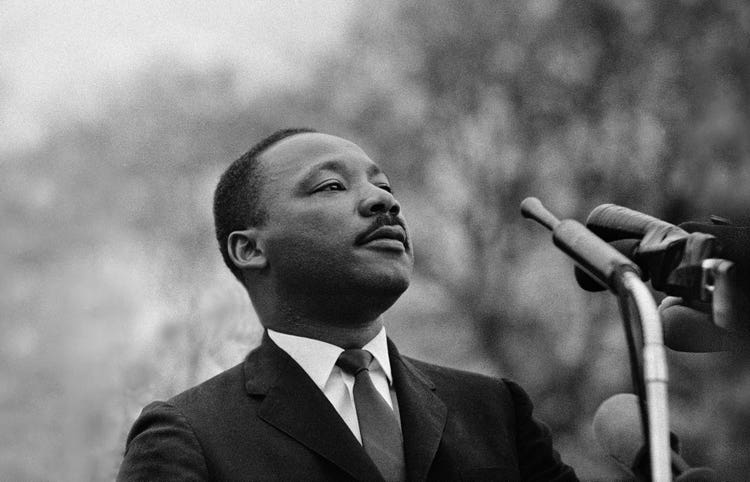
During his June 23, 1963, speech in Detroit, Martin emphasized that purpose is what gives life its meaning. After all, a life worth living feels empty when there’s nothing you’re willing to make a real sacrifice for.
2. “Difficult and painful as it is, we must walk on in the days ahead with an audacious faith in the future."
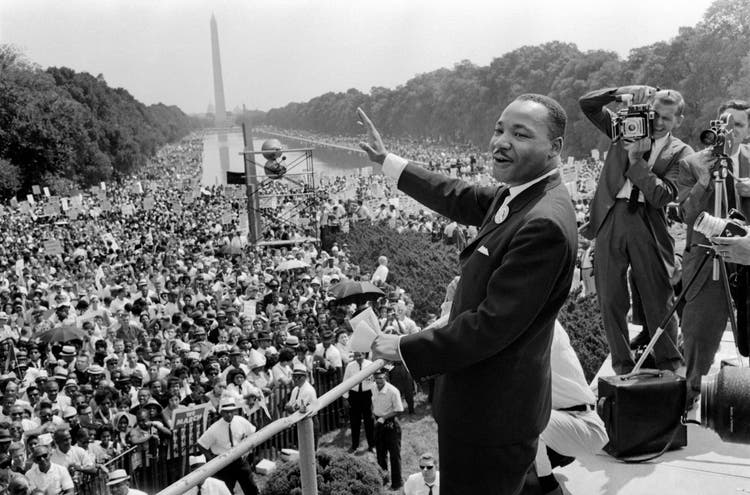
“I must confess, my friends, the road ahead will not always be smooth,” Martin said in his “Where Do We Go From Here?” speech in 1967. Delivered at the 11th Annual SCLC Convention, he stressed the need to keep moving forward in spite of life’s “inevitable setbacks.”
3. "The ultimate measure of a man is not where he stands in moments of comfort and convenience, but where he stands at times of challenge and controversy."
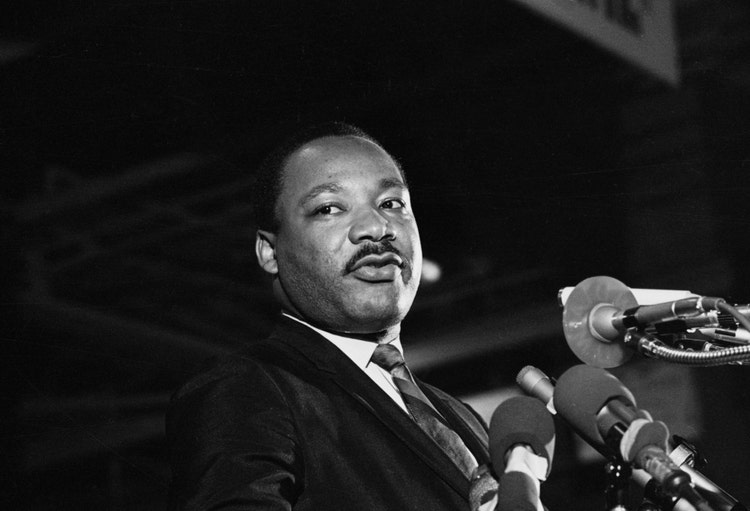
As written in his 1963 book, “Strength to Love,” Martin believed a man’s true colors weren’t revealed during comfort or convenience but in the way he carries himself through hardship.
4. "Love is the greatest force in the universe. It is the heartbeat of the moral cosmos. He who loves is a participant in the being of God."
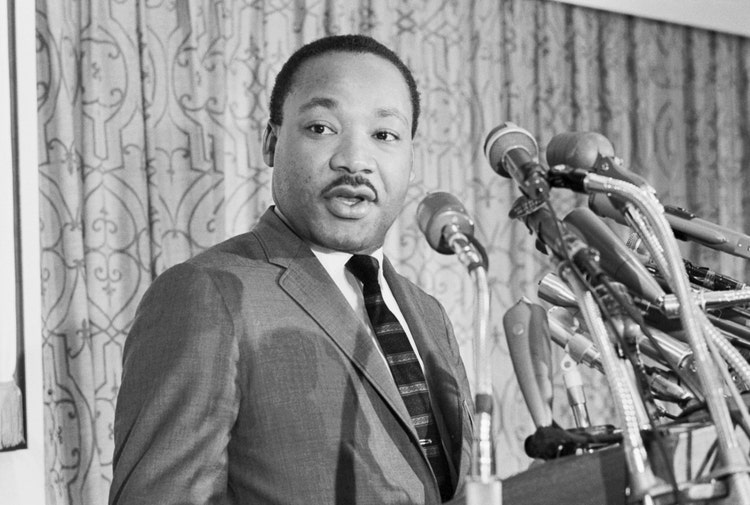
In an “extremely rare” handwritten note believed to have been written in the mid-1960s, Martin offered his take on the meaning of love. “This note encapsulates the philosophy of King’s life and that’s why it’s so important,” Moments in Time CEO Gary Zimet, who listed the item for $42,000, told CNN.
5. "We must learn to live together as brothers or perish together as fools."
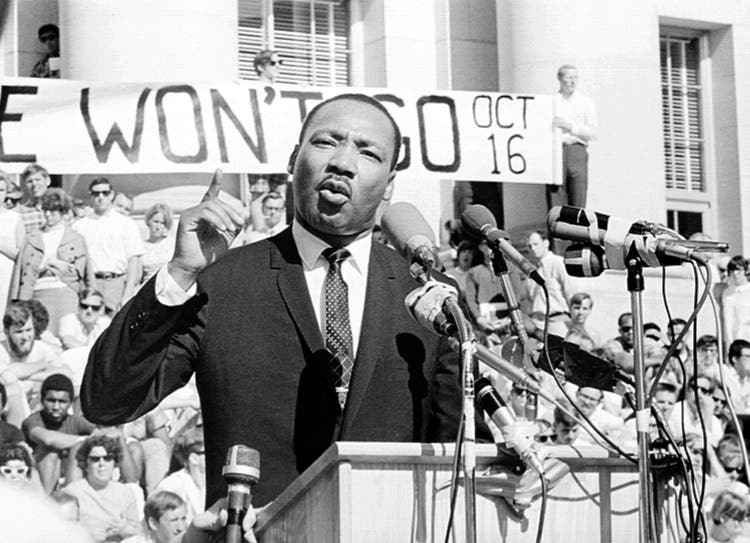
Another testament to Martin’s commitment to peace, he emphasized during a March 22, 1964, speech in St. Louis that human survival depends on people working together across their differences. Division only creates more harm than good, a lesson that we’re still, unfortunately, learning many years later.
6. "I have a dream that my four little children will one day live in a nation where they will not be judged by the color of their skin but by the content of their character."
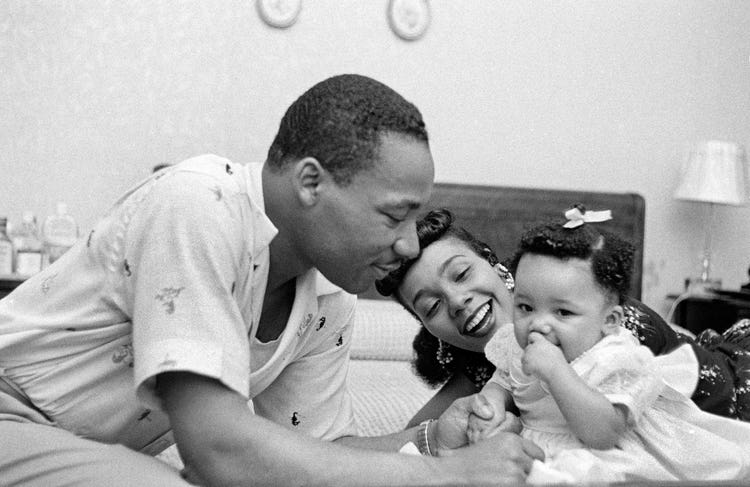
Martin’s “I Have a Dream” speech is undoubtedly one of his most recognizable. Delivered during the March on Washington for Jobs and Freedom, he called for a world that measures people by their actions and values rather than race. What more could a father want for his children?
7. "Darkness cannot drive out darkness; only light can do that. Hate cannot drive out hate; only love can do that."
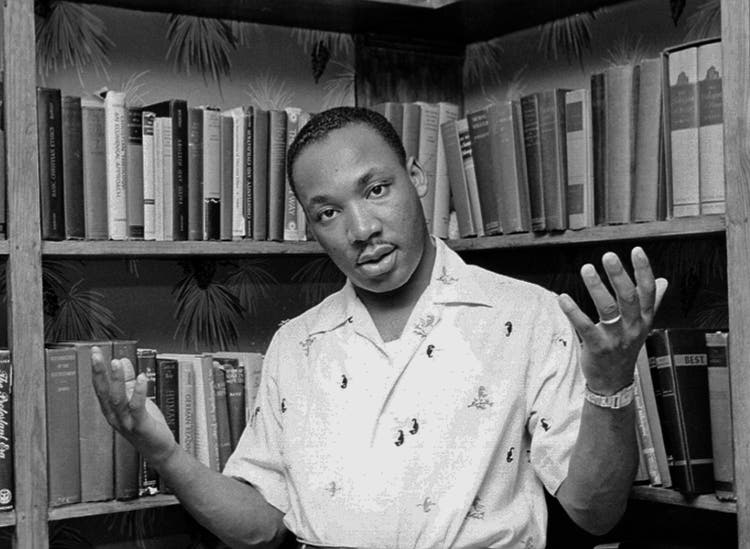
As the saying goes, “You can’t fight fire with more fire.” In “Strength to Love,” Martin wrote that love is the only answer to hate and, in the same way, light is the only answer to darkness.
8. "What is needed is a realization that power without love is reckless and abusive, and that love without power is sentimental and anemic. Power at its best is love implementing the demands of justice, and justice at its best is love correcting everything that stands against love."
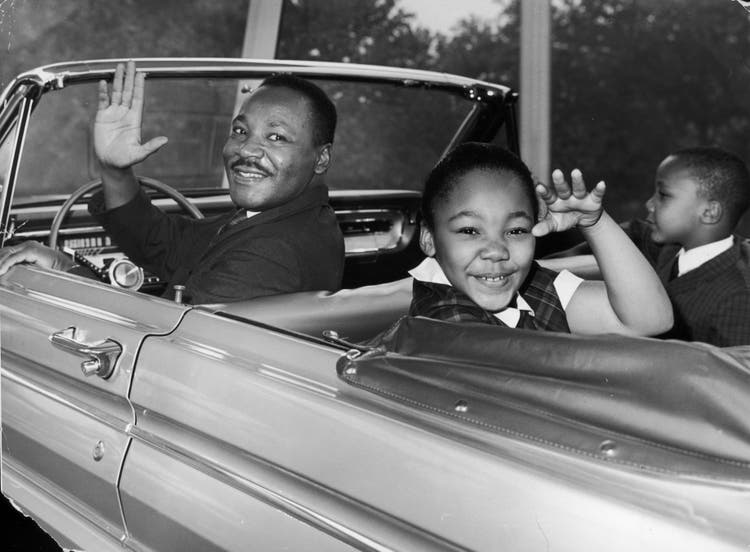
In other words, power on its own can cause harm, and love on its own doesn’t have enough strength to create real change. Much like everything else we experience in life, justice needs balance to work.
9. "Injustice anywhere is a threat to justice everywhere."
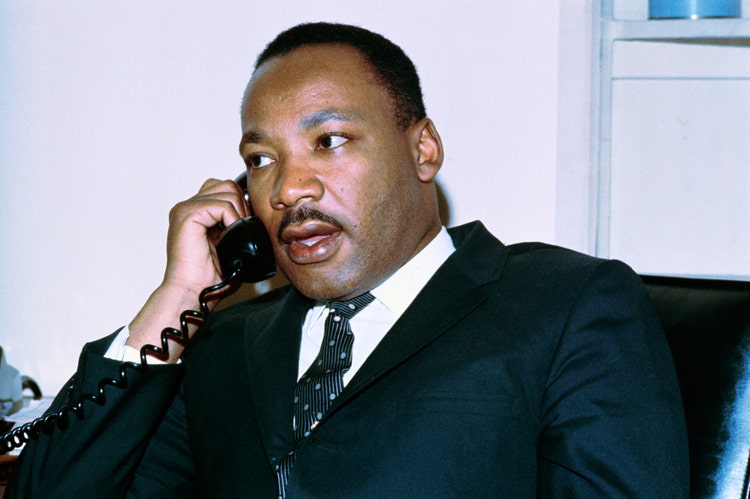
“Whatever affects one directly, affects all indirectly,” Martin went on to write in his 1963 "Letter from Birmingham Jail." Truer words have rarely been spoken, if you ask us.
10. "We must use time creatively, in the knowledge that the time is always ripe to do right."
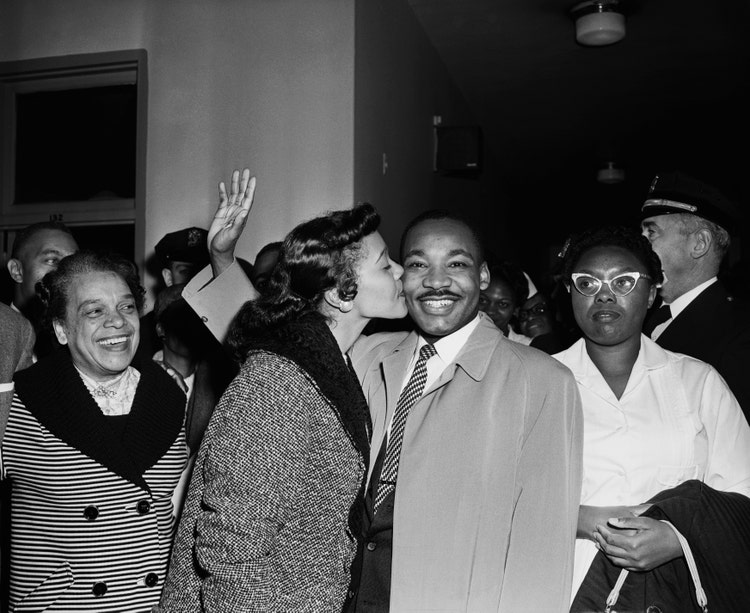
In another excerpt from Martin’s “Letter from a Birmingham Jail,” he stressed that waiting for the “perfect moment” is just an excuse. Moral action matters now, not later, people!
11. "If you can't fly, then run. If you can't run, then walk. If you can't walk, then crawl, but whatever you do you have to keep moving forward.”
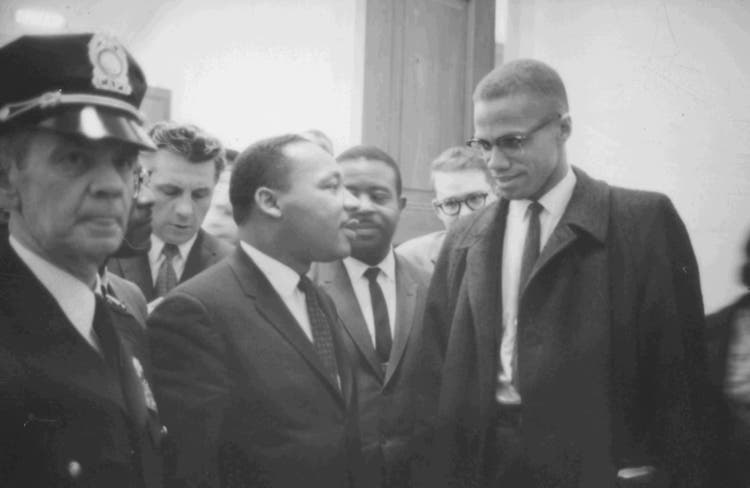
Perhaps one of Martin’s most memorable teachings: whatever you do in life, do it well. “Be a bush if you can’t be a tree. If you can’t be a highway, just be a trail. If you can’t be a sun, be a star,” he said. “For it isn’t by size that you win or fail. Be the best of whatever you are.”
12. "We must accept finite disappointment, but never lose infinite hope."
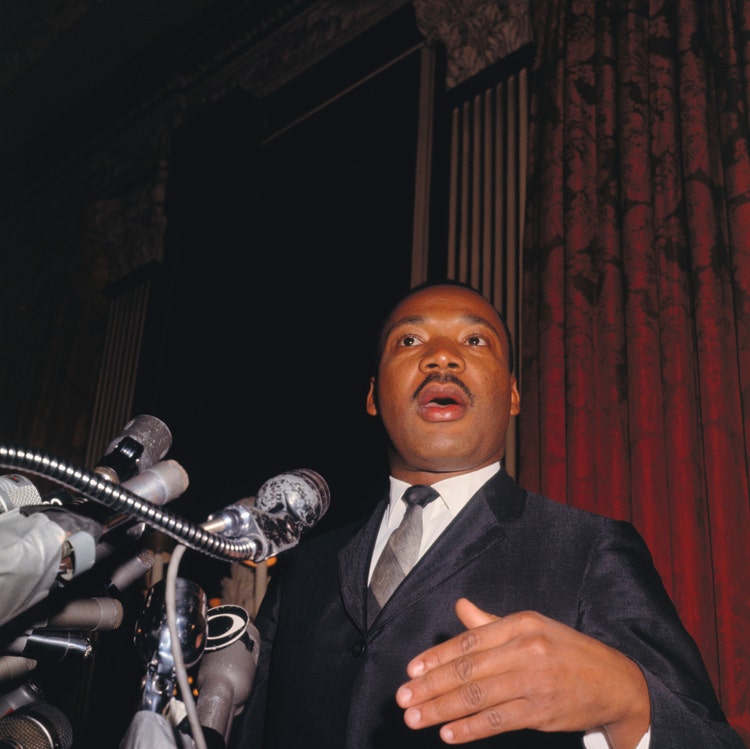
Setbacks are simply a part of life that we all have to deal with. Even so, hope (and perseverance) has to outweigh whatever knocks us down. You can fall again and again, but just make sure you get right back up after.
13. "Every man lives in two realms, the internal and the external. The internal is that realm of spiritual ends expressed in art, literature, morals, and religion. The external is that complex of devices, techniques, mechanisms, and instrumentalities by means of which we live."
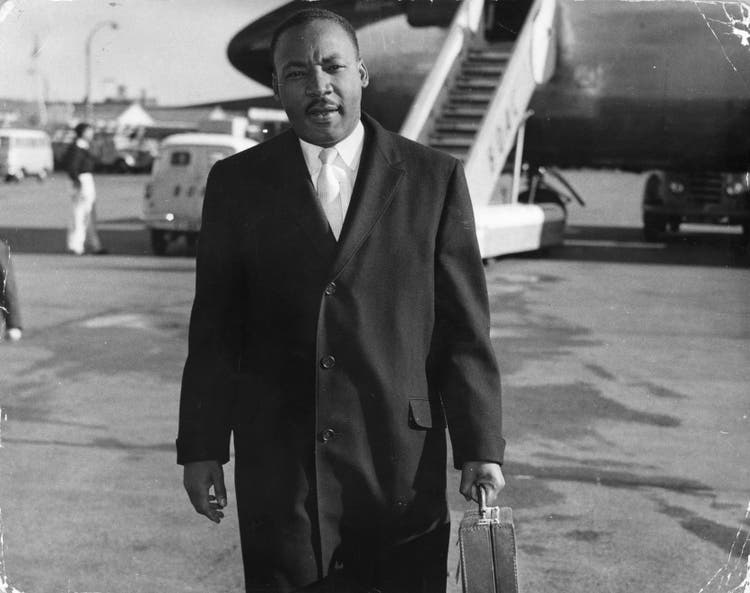
Martin dropped so many gems during his Nobel Lecture delivered at the University of Oslo in 1964, one of which was the need to nurture both our internal and external worlds. It goes unsaid, but a healthy society needs growth in both areas — not just material progress.
14. "In the process of gaining our rightful place, we must not be guilty of wrongful deeds. Let us not seek to satisfy our thirst for freedom by drinking from the cup of bitterness and hatred."
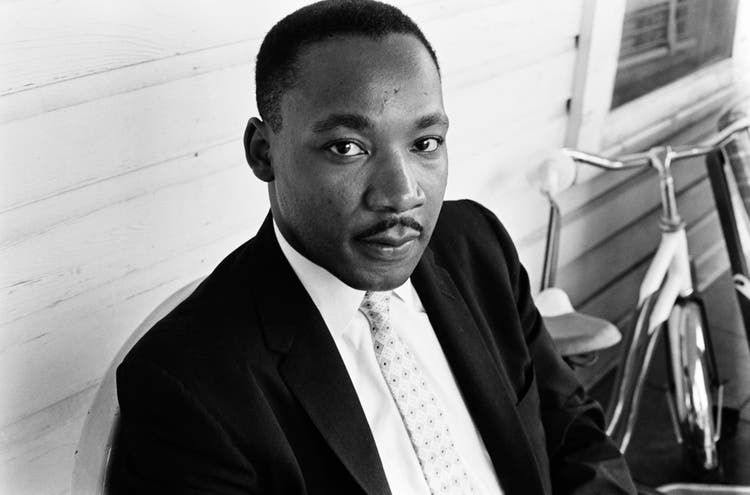
In his aforementioned “I Have a Dream” speech, Martin reminded the crowd that justice means nothing if it comes through harm or payback. Freedom born from hatred only repeats the cycle of oppression. At that point, what separates us from the very people we’re trying to rise above?
15. “Violence is immoral because it thrives on hatred rather than love. It destroys community and makes brotherhood impossible. It leaves society in monologue rather than dialogue. Violence ends up defeating itself. It creates bitterness in the survivors and brutality in the destroyers."
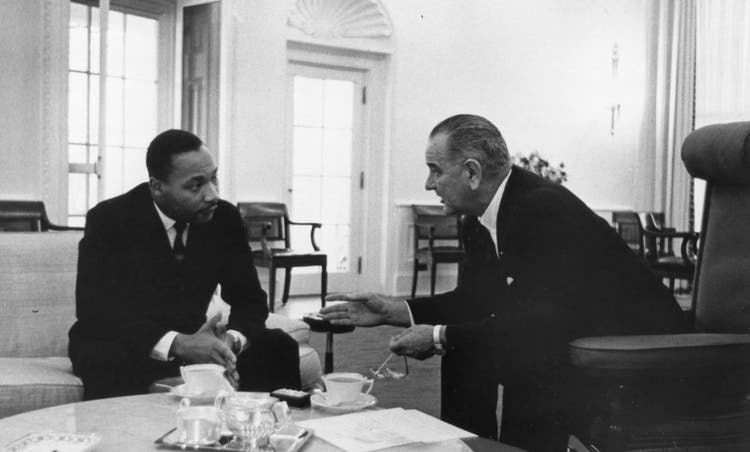
Martin described violence as a “descending spiral ending in destruction for all” during his Nobel Lecture. In the end, it poisons everyone involved, including both those harmed and those who cause it.