Key Takeaways
- Netflix’s strategic shifts, including binge releases and global expansion, changed how audiences consume content.
- Its investments in creators, franchises, and live formats pushed competitors to rethink their models.
- Exclusive deals with talent like Shonda Rhimes and the Obamas signaled a new era of streaming influence.
Netflix spent decades rewriting the rules of entertainment, and every era came with a flex that made the industry stop and reassess its footing. What started as a scrappy DVD-by-mail service morphed into a cultural engine powerful enough to disrupt Hollywood release windows, outbid legacy studios, rearrange global viewing habits, and spark entire arms races for talent, IP, and territory. At every turn, Netflix found ways to tilt the playing field — sometimes quietly through strategy, sometimes loudly through billion-dollar bets that forced competitors into reactive mode.
The company’s evolution didn’t unfold through one single breakthrough, but through a chain of decisions that reshaped how creators build franchises, how audiences consume stories, and how studios position themselves in the streaming era. Some moves were massive global swings, some were high-profile poaches, some were tech pivots disguised as business logic. All of them pushed Netflix toward its status as one of entertainment’s most unpredictable power brokers. Over time, the company’s biggest moves started to feel less like history and more like foreshadowing.
Below is a chronological breakdown of some Netflix moments that truly changed the game.
1. The subscription shift
In 1999, Netflix ditched late fees and introduced unlimited rentals under a subscription model. This simple but disruptive move broke the traditional video-rental economy and weakened legacy players like Blockbuster long before streaming arrived.
2. The streaming pivot
When Netflix introduced “Watch Now” in 2007, the platform transformed from a DVD service into a digital destination overnight. The pivot reshaped viewer expectations and pushed the rest of the industry toward on-demand streaming.
3. The “House of Cards” power play
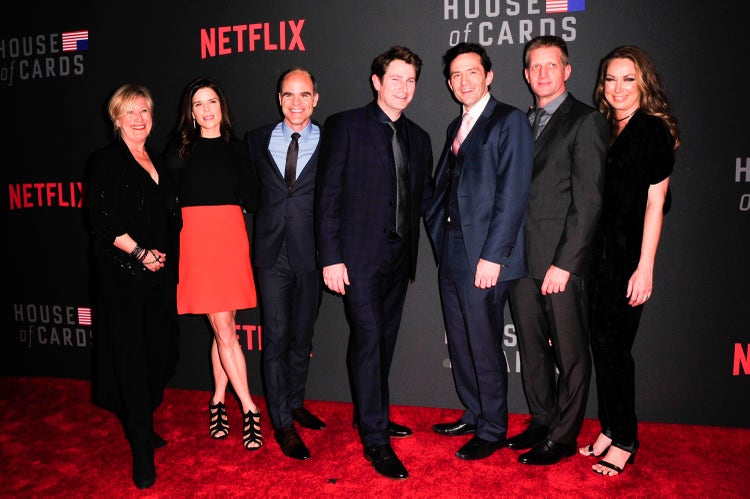
Between 2011 and 2013, Netflix outbid HBO and ordered two seasons of “House of Cards” without a pilot. It was a loud announcement that Netflix had become a studio willing to take risks that traditional networks wouldn’t.
4. The binge-watching breakthrough
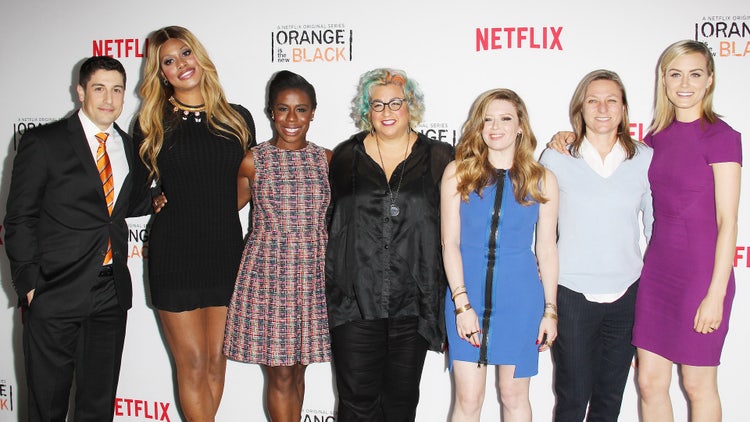
With full-season drops becoming standard in 2013, Netflix turned bingeing into a global viewing ritual. It taught audiences to consume storytelling at their own pace and gave the company a new way to dominate cultural conversation.
5. The global expansion swing
In 2016, Netflix expanded into more than 130 countries in a single rollout. It shifted from a domestic player to an international powerhouse, giving its originals immediate worldwide reach.
6. The Shonda Rhimes coup
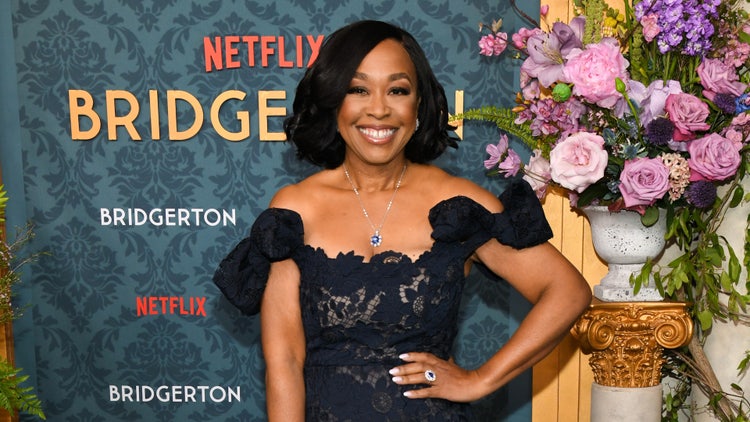
Netflix shocked Hollywood in 2017 by bringing Shonda Rhimes to the platform. It proved Netflix could lure the industry’s top storytellers with creative freedom and unprecedented financial backing.
7. The big intellectual property grab
Also in 2017, Netflix purchased Millarworld, its first major IP acquisition. The deal positioned the streamer to build multi-project universes without relying solely on licensed content.
8. The creator arms race
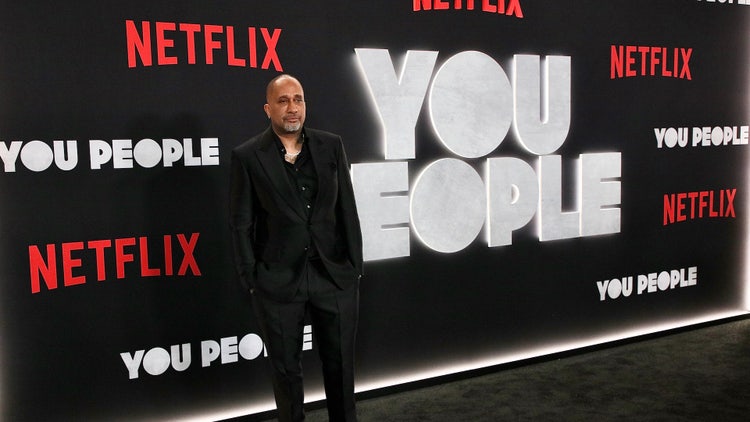
In 2018, Netflix doubled down on talent by securing megadeals with Ryan Murphy and Kenya Barris. These signings intensified the competition for showrunners and reshaped the economics of creator partnerships.
9. The Obama partnership
Signing Barack and Michelle Obama’s Higher Ground in 2018 expanded Netflix’s prestige and documentary footprint. It blended cultural influence with storytelling ambition in a globally visible way.
10. The “Friends” retention flex
Netflix paid roughly $100 million in 2019 to keep “Friends” for just one more year. It signaled how aggressively the company would fight to retain comfort-TV hits during the early streaming wars.
11. The awards-level breakthrough
With Roma’s Oscar wins and Best Picture nomination in 2019, Netflix forced Hollywood to treat streaming studios as prestige contenders. It marked a turning point in awards-season politics.
12. The Roald Dahl acquisition
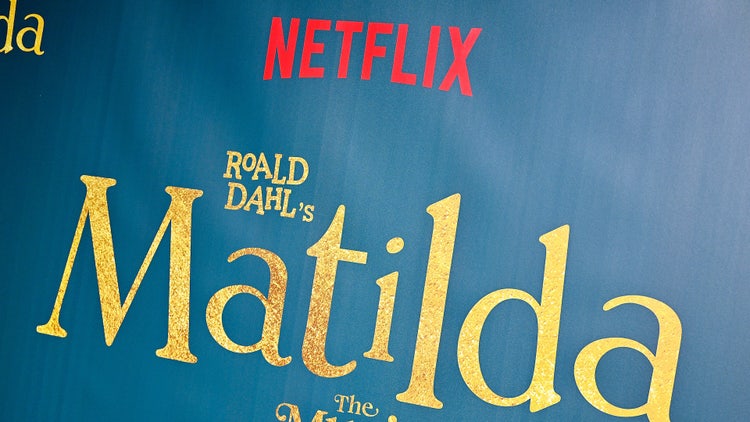
In 2021, Netflix acquired the Roald Dahl Story Company, gaining a globally loved library for film, series, animation, and long-term franchise development.
13. The Korean content supercharged
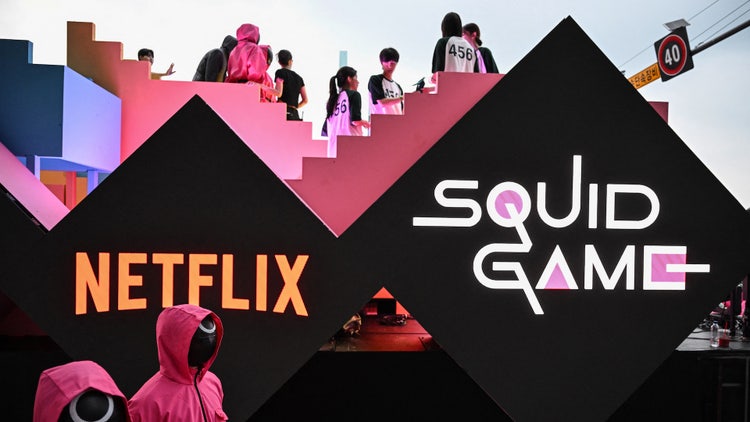
By 2023, Netflix committed $2.5 billion to Korean content following the success of “Squid Game.” The investment solidified global, non-English originals as a core strategic pillar.
14. The advertising pivot
In 2022, Netflix reversed its longtime stance against commercials and launched an ad-supported tier. It opened a new revenue stream and brought a broader audience into the ecosystem.
15. The password crackdown
The 2023 crackdown on account sharing converted millions of unofficial users into paying subscribers. It reset cultural norms and showed the company could enforce major policy changes without losing momentum.
16. The live event TV era
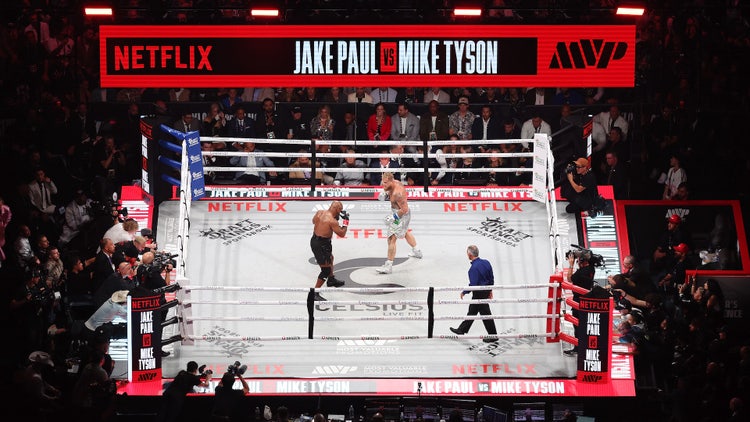
Starting in 2023, Netflix rolled out a run of live specials and marquee broadcasts, from Chris Rock and the SAG Awards to the Tom Brady roast, the Tyson–Paul fight, NFL Christmas games, and WWE Raw. The push reintroduced appointment viewing on a platform built for on-demand.
17. The Warner Bros. Discovery power play
In 2025, Netflix attempted to acquire Warner Bros. Discovery’s studio and streaming assets — an audacious move that triggered a hostile counterbid from Paramount. It became the most aggressive corporate clash of the streaming era.