Key Takeaways
- Montell Jordan is undergoing radiation and hormone therapy following the return of his prostate cancer.
- He has partnered with ZERO Prostate Cancer to promote early screening, especially in high-risk communities.
- His openness about the diagnosis aims to reduce stigma and encourage proactive health decisions.
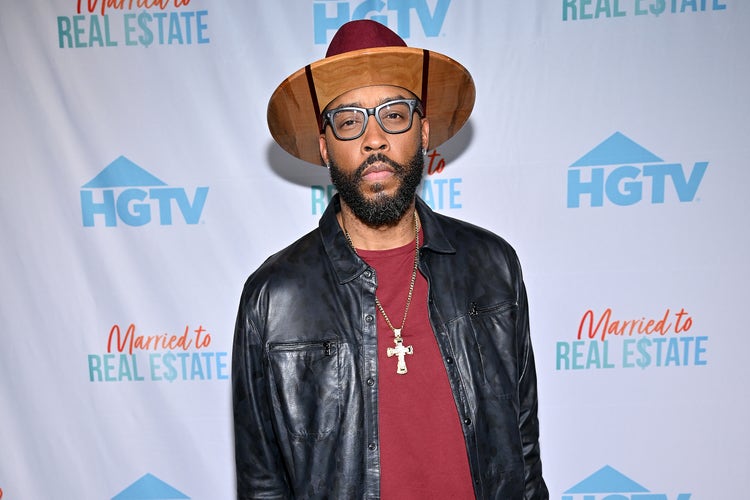
Montell Jordan has shared a major health update, revealing that his prostate cancer has returned nearly a year after undergoing surgery.
During an appearance on the “3rd Hour of TODAY” on Wednesday (Sept. 3), the 56-year-old pastor and singer — who became a household name with his 1995 hit “This Is How We Do It” — shared that scans during his nine-month post-surgery checkup detected cancer in his lymph nodes.
He will now undergo targeted radiation therapy and take hormone blockers to help prevent the cancer from spreading.
“It is a seven-and-a-half-week interruption of life to make sure that I have a longer life,” Jordan shared in a follow-up interview with TODAY.
In early 2024, he was diagnosed with Stage 1 prostate cancer — later becoming Stage 2 — after doctors found elevated prostate-specific antigen levels following over 10 years of routine screenings.
For Jordan, who lives a relatively healthy lifestyle — eating and drinking in moderation, working out regularly, and avoiding alcohol and smoking — the diagnosis was frightening and left him feeling numb. But catching it early gave him hope.
“Early detection is the thing that allows me to have a choice to treat [my cancer] and live and to continue giving myself the best quality of life possible,” he said.
“I’ve already had a fantastic quality of life even following my prostate removal,” he added. “So, I believe that even after this next treatment that I have to do, it will eradicate the cancer from my body and [I will] still have a great quality of life moving forward.”
Why early screening matters, especially for Black men
Jordan is now working with ZERO Prostate Cancer to promote regular screenings, especially among Black men, who face higher risks and lower survival rates.
Black men develop prostate cancer 1.7 times more often than men of other backgrounds and are more than twice as likely to die from it, according to ZERO, per TODAY.
Because prostate cancer often has no visible symptoms, many men don’t realize they have it until it has progressed further.
Routine screening can detect the disease early, when it’s most treatable — reportedly offering nearly a 100% survival rate for Black and African American men.
Jordan understands the stigmas and why Black men hesitate to get screened, which is why he’s sharing his story publicly and in a documentary titled Sustain, premiering next year, to help save lives.
“I’m trying to give a template for people that get diagnosed with this to, one, know they have options available to them,” he told TODAY. “And, two, in the mix of what that looks like, it’s OK to cry. It’s OK to shake your fist at God. It’s OK to navigate and do what you need to do, but doing nothing is not an option.”
Jordan’s openness about his diagnosis and treatment is more than personal. By sharing his journey, he’s helping others recognize the power of early detection and the importance of speaking up.