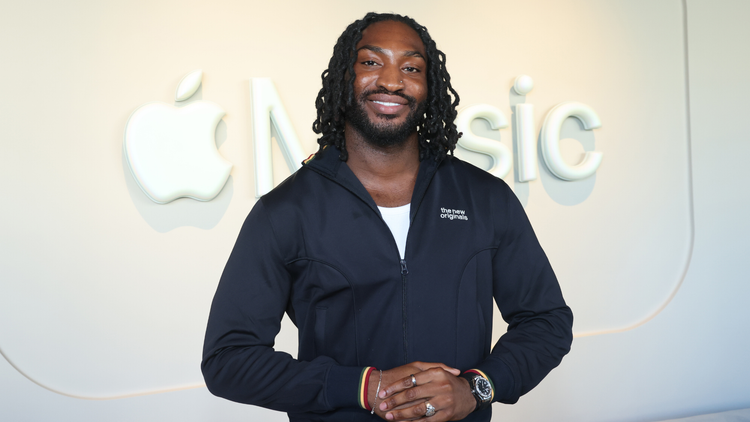
In an era where songs can go viral overnight and disappear just as quickly, Odeal’s career has been quietly moving with intention. Born Hillary Dennis Udanoh, the London-based Afro-fusion and R&B artist reached a wider audience with “Soh-Soh,” and the TikTok dance challenge that followed amplified his momentum. This song hit the airwaves and got people moving with that charming Casanova energy. But the viral moment was only one chapter in a much bigger rise.
The singer-songwriter — one of the most exciting voices in the UK’s evolving R&B and alté space — hasn’t been defined by a single moment or trend. Instead, it’s been shaped by consistent moves and intentional steps forward. Here are five moments that show Odeal is building a career meant to last, in no particular order.
1. Gaining traction long before — and long after — the TikTok moment
Music fans love saying they discovered an artist before the rest of the world caught on. So for the day-one fans digging through the “YouTube crates,” some of Odeal's standout pre-fame tracks include “24/48,” “Womanizer,” “Composure,” “Vicious Cycle,” “Pocket,” “Twenny-Nine After Two,” and “Index.”
Across these earlier uploads, he was already showing the elements that would come to define his artistry: clean visual aesthetics, creative studio energy, and easy confidence on camera. Songs like “Coffee (Don't Read Signs)” and “24/48” gave early glimpses of that, while lines like “Right passenger on the wrong journey” in “Passenger” showed how naturally his writing could stick. Even in the comments, viewers were rooting for his come-up and talking about the kind of longevity they saw in him.
Eventually, that moment arrived. Odeal dropped “Soh-Soh” on his EP Sunday At Zuri’s, and the spotlight got hot. While the viral hit “Soh-Soh” was trending, other hits like “ONOME,” “Blame U,” and “Gaslight 101” were circulating too.
The “Free Me” artist wasn’t just a viral one-hit wonder — listeners locked in and started loving his sound as a whole. The music makes it clear where his foundation lies: intimacy, connection, vibes, emotional presence, that soft falsetto, and a strong instinct for visuals. He is true to his sound: romance, reflection, serenading, and that grown-man R&B appeal. Odeal makes it all feel like luxury. His music has staying power and circulates in real listening spaces, not just short-form trends.
2. Turning online hype into real-life crowds on tour
Successful touring proves real fan demand, and he has been building that momentum. The vocalist made the lineup for Afro Nation in 2025 and 2026 and secured a spot on Summer Walker’s “Still Finally Over It Tour.” His own 2026 trek, “The Shows That Saved Us Tour,” also sold out several dates across the U.S., Europe, and Australia. His performance track record shows he understands what resonates — and how to keep building from it.
3. Building creative control and branding before major industry backing
Artists who build their visual identity before major label support often last longer, and Odeal was able to find his own early on. The British-Nigerian creative started releasing music independently through his OVMBR collective, which represents Our Variances Make Us Bold and Relentless. Before larger industry backing entered the picture, he was already building his sound and visual world on his own terms.
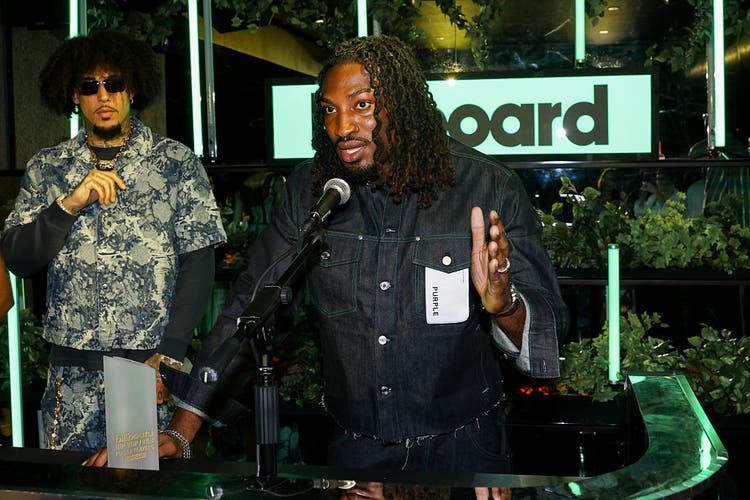
From there, the industry started to catch up. He joined LVRN and dropped his first project with them in 2024, Lustropolis, and was named Billboard's African Rookie of the Year in September 2025, a milestone that further cemented him as one of the emerging voices shaping the UK’s evolving alté and R&B landscape. The “London Summers” artist later signed with Sony Music Publishing in December 2025.
4. Letting his music and personality speak louder than the image
The “Miami” singer could easily be marketed as aesthetic-first, but his songwriting and vocal ability keep the music at the center. He’s a heartthrob for sure — and quietly a bit of a fashion killer — but he also comes across as someone grounded in family, adventure, and real-life moments. Few moments capture his personality better than when he FaceTimed his mom during his "Tiny Desk” performance.
He’s intentional about making his heritage visible. While his early sound leaned heavily into Afro-fusion and island influences, his later work leaned deeper into R&B and soul. That doesn’t mean he goes quiet about his Nigerian heritage. You can see it in his visuals, the locations, the people involved, his wardrobe, and the broader cultural cues surrounding the art.
That relatability comes from the fact that he doesn’t disappear between releases. Whether it’s social media, tour updates or vlog content like his “The Motherland That Saved Me” series, he keeps finding ways to connect directly with fans while letting them see parts of his real life. He’s also a skater, and that return to things he genuinely enjoys seems to drive the way he shares himself and reconnects with his community.
That curiosity around music doesn’t stop at songwriting either. Best known to blend R&B, Afro-fusion, and Afroswing, he also showed off his DJ instincts on “aprtment life.” Watching Odeal step into his DJ bag so seamlessly only reinforced how deeply music lives in him. More importantly, he’s managed to blend image with substance in a way that feels natural, not manufactured. This only adds to the singer's long-term appeal.
5. Showing early signs of an artist thinking long-term
Artists with longevity usually understand team chemistry, alignment, and sacrifice. He may still be in an early chapter, but it’s clear he thinks beyond the moment.
He’s taken the lead on much of his creative direction and production, but he also understands what the right team can elevate. Along the way, he’s brought in collaborators who help sharpen the vision rather than dilute it. Early on, that included work with producers like YKKUB and collaborators like MARZI. From music to tour production, the alt-R&B artist’s broader creative world consists of names like Kaytranada, Wizkid, Leon Thomas, and more.
Odeal has become part of the broader conversation around the global alté movement — a wave of artists blending Afrobeats, R&B, and alternative soul into new hybrid sounds. Given the lane he’s carving out, it wouldn’t be surprising to see his future collaborations stretch even further across R&B, soul, Afrobeats, alongside heavy hitters like Tems, Brent Faiyaz, Jorja Smith, Usher, Snoh Aalegra, or Bryson Tiller.