Key Takeaways
- Mariah Carey was the latest guest on “Baby, This Is Keke Palmer,” where she spoke about Here For It All, which she called her most personal album to date.
- She opens up about raising twins and how family traditions continue to shape her daily life.
- The singer questions whether she’s truly “survived” the music industry, citing shifts in artist development and support.
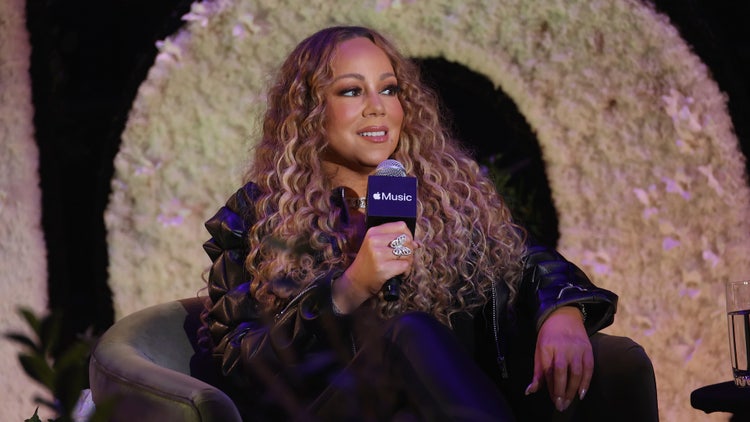
On Tuesday (Sept. 30), Mariah Carey appeared on the latest episode of “Baby, This Is Keke Palmer” to reflect on her career, family, and the release of Here For It All, her first studio album in seven years. The Songwriters Hall of Famer described the project as her most personal yet, explaining, “This project is in the moment — all the moments I’ve lived, put together and emanating what that feels like.”
Carey spoke about her early writing journey, recalling how poetry as a child shaped her pen. At just 18, she was offered $5,000 for her publishing but turned it down. “I believed in my songs, and I wasn’t going to give them away. That’s what I had to offer to the world,” she said. That decision, she noted, helped define her both as a singer and songwriter.
The conversation also revisited career milestones like Butterfly and The Emancipation of Mimi, which marked creative reinvention. She spotlighted her new single, “Type Dangerous,” built around Eric B. & Rakim’s “Eric B. Is President,” and described the track as a natural nod to her New York roots. Mariah Carey also confirmed that the album’s closing title track serves as the emotional anchor.
Motherhood remained central throughout the discussion. Carey reflected on raising her twins, their appearance during Christmas shows, and the traditions she now continues with them. “Hopefully, my kids will say I always cared for them and loved them deeply. I know that’s for sure,” she shared. She also addressed her “Queen of Christmas” title, admitting, “I think it was the world that did it, and I leaned in because I really do love Christmas that much.”
Mariah Carey on the music industry’s evolution
Carey and Palmer also compared the past and present music landscape. While she acknowledged that technology makes it easier for artists to break through, she pointed to the decline of artist development and label budgets that once created superstar careers. “I don’t know if I have survived the music industry yet,” she admitted. “I’m still trying.”