Key Takeaways
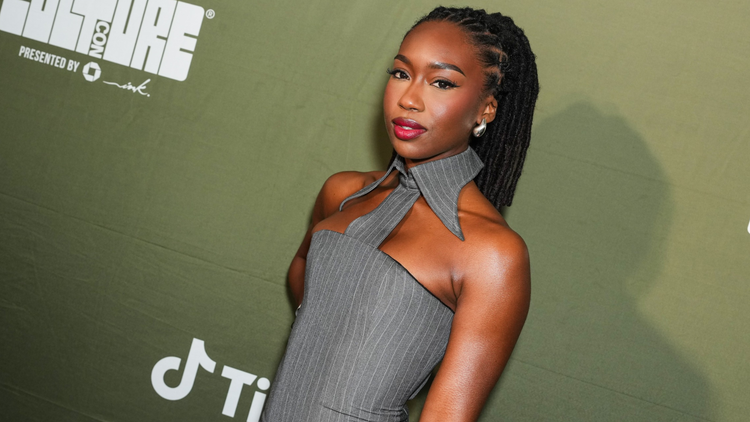
- Lynae Vanee built her digital voice by connecting history, politics and popular culture through "Parking Lot Pimpin'."
- At REVOLT, "The People's Brief" expanded her approach into a weekly news, culture and political-commentary series.
- Her career grew to include Netflix documentary work, a Grammy Museum performance, an NAACP Image Award and live poetry events.
Long before Lynae Vanee had a television series or a spoken-word project, she had a folding chair, a cup of tea, and plenty to say. Her "Parking Lot Pimpin'" videos turned a familiar outdoor setting into a place for discussions about history, politics, and the ways Black communities are represented. Her delivery could be funny, confrontational, or deeply personal, sometimes within the same monologue. Behind the jokes was someone determined to make viewers think about what they heard, what they believed, and what they could do next.
Before building her digital audience, Vanee worked as an educator, having graduated from Spelman College and earned a master's degree in African American Studies from Boston University. That background is evident in her approach to history and politics, but her appeal also lies in how effortlessly she connects serious subjects to Hip Hop lyrics, television references, and humor that makes uncomfortable truths easier to confront. By grounding complicated issues in familiar cultural experiences, she managed to engage audiences who might otherwise overlook conversations about history and civic participation.
Her influence has also taken different forms: a REVOLT news and culture show, political conversations on major stages, recognition from the NAACP, and a spoken-word album that brought her into music spaces. Vanee previously described herself to REVOLT as "a translator," a useful description of how she moves between scholarship and everyday conversation. As Sundays in the Overflow introduces her poetry to new listeners, it's worth examining the moments that established her cultural presence and expanded her reach. The following seven demonstrate how Vanee turned her point of view into platforms, recognition, and places for people to gather.
1. When she made "Parking Lot Pimpin'" an online classroom
"Parking Lot Pimpin'" gave Vanee a recognizable format for unpacking racism, voter suppression, and popular culture without sounding like a conventional news broadcast. The folding chair and teacup became part of the presentation, but her command of the subjects kept viewers returning. She could discuss a policy dispute, challenge a familiar talking point, and end with a joke sharp enough to circulate on its own. Her signature promise to keep things Black and brief established the tone. The series showed how an independent creator could build a recognizable voice around historical context rather than simply reacting to the day's loudest argument.
2. When she brought "The People's Brief" to REVOLT
She took her political commentary to REVOLT with "The People's Brief," a weekly series combining news, Black history, pop culture, and satire. The partnership gave her an expanded platform to explore issues affecting Black communities while maintaining the humor and cultural references that defined her earlier work. She later expanded the format with "The People's Brief: One on One," featuring extended interviews with public figures like Reps. Ilhan Omar and Ayanna Pressley, activist DeRay Mckesson, and New York City Mayor Zohran Mamdani.
3. When she took political education to ESSENCE Fest
Vanee joined a live recording of "Native Land Pod" at the ESSENCE Festival of Culture in New Orleans, appearing alongside Rep. Jasmine Crockett, Pennsylvania state Rep. Malcolm Kenyatta, and community organizer Ashley Shelton. Hosted by Angela Rye, Tiffany Cross, and Andrew Gillum, the discussion explored civic engagement, government policy, and the challenges of reaching communities that feel disconnected from politics. Vanee emphasized the importance of making political conversations accessible, explaining, "I just prioritize meeting people where they are, using language that people understand."
4. When she performed at the Grammy Museum
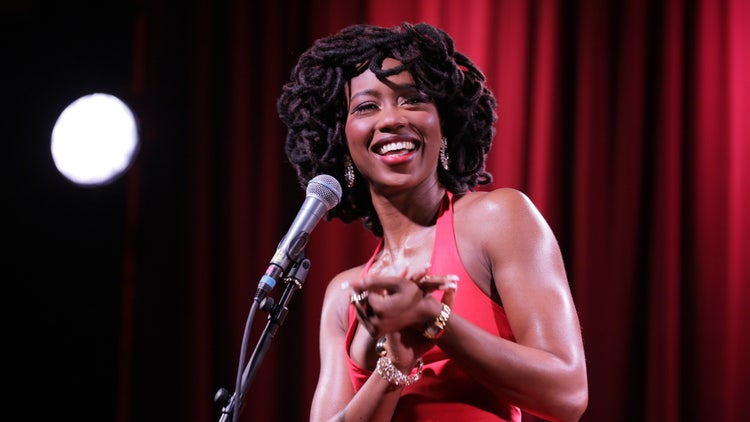
Vanee appeared at the Grammy Museum in Los Angeles for an Artist Session during 2026 Grammy Week. She performed spoken-word material and joined moderator Schyler O'Neal for a conversation about transforming digital poetry into recorded art. Notably, the appearance came ahead of Sundays in the Overflow. Her performance made it clear that the rhythm and storytelling of those early monologues could hold a stage without the folding chair.
5. When she won an NAACP Image Award
After earlier nominations, Vanee won Outstanding Digital Content Creator – Political/Culture at the 2026 NAACP Image Awards. That recognition placed the work she developed on social media within an established celebration of Black achievement across entertainment and public life. The award also followed her 2023 Reel Impact Award from the CROWN Awards, which recognized her influence in digital conversations.
6. When she appeared in Netflix's Stamped from the Beginning
She appeared in the Netflix documentary Stamped from the Beginning, directed by Roger Ross Williams and adapted from Ibram X. Kendi's award-winning book. The film examines the development of racist ideas throughout American history, bringing together voices like Angela Davis and Kendi himself. During her appearances, Vanee challenged familiar portrayals of historical figures such as Thomas Jefferson and Abraham Lincoln, while also discussing the distinct violence experienced by enslaved Black women.
7. When she took "Black Women Deserve Poems" on the road
Vanee's "Black Women Deserve Poems Tour" brought her work into rooms where audiences could experience poetry, film, and discussion together. The program included performances and a screening of her Sundays in the Overflow short film, followed by conversations about Black women's lives and political agency. Her guests included Kid Fury in Los Angeles, Blair Imani in San Francisco, and Angela Rye in Seattle. In a message to supporters, she described the tour as a way to move her philosophy of change from the internet into communities. Rather than asking attendees to consume another video, the events gave them time to talk, reflect and meet other people carrying similar concerns.