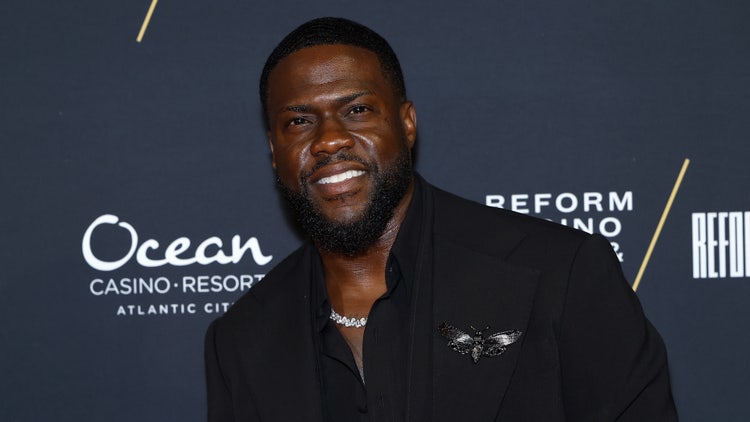
Kevin Hart may be best known as one of the biggest comedians in the world, but his career has also included a surprising range of dramatic turns. Beyond the punchlines and blockbuster buddy comedies, Hart has taken on roles that showcase his ability to tap into deeper emotions, explore darker subject matter, and hold the screen without leaning on slapstick.
Over the years, he’s stepped into heartfelt dramas, tense thrillers, and even artful music videos that blurred the line between his public image and personal struggles. Each project reflects a different shade of Hart as a performer — from stories of resilience and responsibility to high-stakes heist adventures and intimate character studies.
As Hart himself told Forbes when discussing his work in Netflix’s Lift, “The biggest discovery is that I enjoy being serious just as much as I enjoy the space and place of funny.” It’s a shift that has given fans and critics alike a new appreciation for his range. Here are seven times Kevin Hart proved he could handle drama just as powerfully as comedy.
1. The Upside
Kevin Hart’s breakout into drama came with The Upside, the U.S. remake of the French hit The Intouchables. Playing Dell, a parolee hired to care for a wealthy man paralyzed from the neck down (Bryan Cranston), Hart delivered a performance that balanced humor with raw sincerity. The role challenged perceptions of his range, showing he could handle vulnerability and weighty material while still bringing his natural charm to the screen.
2. Fatherhood
In Netflix’s Fatherhood, Hart portrayed a widowed father navigating the challenges of raising his newborn daughter after tragedy. Based on Matthew Logelin’s memoir, the film placed Hart in a space of vulnerability rarely seen in his work, tackling grief, perseverance, and single parenthood. The story resonated with audiences, proving he could convincingly lead a heartfelt drama while still sprinkling in the light humor that makes his performances so relatable.
3. True Story
Hart’s darkest role yet came with Netflix’s limited series "True Story,” co-starring Wesley Snipes. He played a comedian named Kid who finds himself entangled in a dangerous spiral of lies, betrayal, and survival. The series blurred the line between fiction and Hart’s own public persona, but leaned heavily into suspense and crime drama. His performance demonstrated a sharp dramatic edge, solidifying his ability to hold down tense, thriller-driven material.
4. Let Go
Before his mainstream breakout, Hart appeared in the indie dramedy Let Go, which followed the stories of three ex-convicts adjusting to life after incarceration. Hart’s role was quieter and more restrained than his usual energetic persona, offering a glimpse of his dramatic potential. Though the film flew under the radar, it stands out as an early example of Hart experimenting with character-driven material rather than relying on comedy.
5. Fight Night: The Million Dollar Heist
Hart further embraced drama with the true-crime television event “Fight Night: The Million Dollar Heist.” Set in Atlanta on the night of Muhammad Ali’s legendary 1970 comeback fight, the series explores one of the city’s most infamous robberies. Hart stars as Chicken Man, a hustler entangled in a world of suspicion and survival. The project put him at the forefront of an ensemble cast which included Terrence Howard, Taraji P. Henson, and Samuel L. Jackson.
6. Lift
Directed by F. Gary Gray, Netflix’s Lift cast Hart as Cyrus, the mastermind of a globe-trotting team of professional thieves. The $100 million production gave Hart room to explore a more serious, commanding presence, leading complex heist operations while juggling loyalty and danger. As he told Forbes, the role marked a turning point where he discovered that he enjoys “being serious just as much as being funny.”
7. Kevin’s Heart
Not quite a full-on role, but this counts for a reason. In J. Cole’s music video for “Kevin’s Heart,” Hart played himself navigating public scrutiny amid tabloid headlines about infidelity. The performance is effectively silent, carried through his expressions of guilt, discomfort, and reflection as he moves through everyday situations under watchful eyes. The role blurred art and reality, becoming one of Hart’s most vulnerable on-screen appearances, and showed that dramatic storytelling can be powerful even in a music video format.