Key Takeaways
- Zohran Mamdani's Rikers Island closure plan includes four borough-based jails and $146 million in proposed support services.
- The original closure timeline faced delays under former mayors, including setbacks during the COVID-19 pandemic.
- Kalief Browder's death and years of protests have fueled calls for reform at Rikers Island.
For years, New Yorkers have demanded that one of the city's most troubled jail complexes shut its doors. Now, there's another timeline on the table — and Mayor Zohran Mamdani says this one will get the job done.
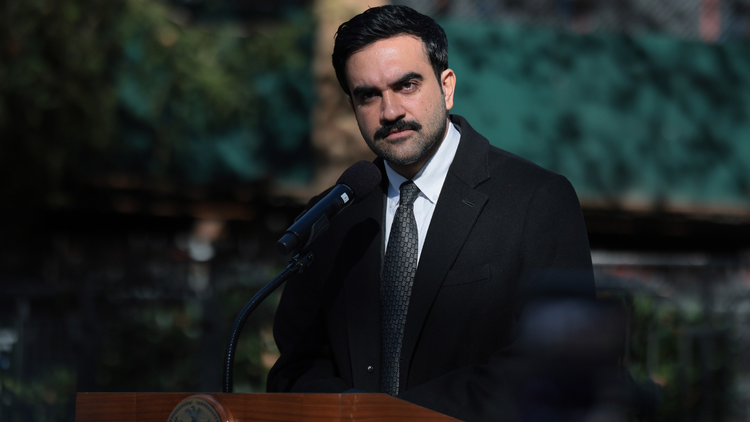
On Friday (Nov. 20), Mamdani unveiled a proposal to close Rikers Island by 2032, five years after the legally mandated deadline. According to CNN, he addressed the long-awaited move during a City Hall news conference. “I am proud that New York City will close Rikers Island once and for all, and I am proud to share our comprehensive plan to do just that,” he said.
In a statement reported by the Associated Press, the mayor acknowledged the longstanding calls for reform. “For decades, New Yorkers have demanded a correctional system that is safe and humane.”
He also emphasized the city's responsibility to those affected: “We have a legal and moral obligation to close Rikers. Working alongside the City Council, Courts and nonprofit partners, we will meet it — for the people in our custody, the staff who serve them, victims of crime, and every New Yorker.”
Why has Rikers Island's closure taken so long?
In 2019, the City Council approved a plan to replace the facility with four smaller jails by 2027. The effort, initially advanced under former Mayor Bill de Blasio, faced setbacks during the COVID-19 pandemic and opposition under former Mayor Eric Adams, who pushed back against borough-based facilities and federal oversight.
Meanwhile, concerns about violence, overcrowding and inadequate medical care persisted. CNN, citing data from the Vera Institute of Justice, reported that at least nine people have died in New York City Department of Correction custody in 2026. The outlet also reported that people held at Rikers spend nearly four times longer in custody than the national average, while assaults occur at eight times the rate of comparable jails.
Those conditions have also sparked public demonstrations. In July 2023, protesters gathered on multiple occasions following the deaths of Felix Taveras, Ricky Howell and others in Department of Correction custody, calling for accountability and improvements to the city's jails.
Kalief Browder's case had already drawn national attention to conditions at Rikers more than a decade earlier. The Bronx teenager spent three years at the facility awaiting trial after being accused of stealing a backpack, including approximately two years in solitary confinement. Prosecutors eventually dropped the charges. Browder died by suicide in 2015 at age 22, and his story became a national symbol of the consequences of prolonged pretrial detention.
What will replace Rikers Island?
Under Mamdani's proposal, the first of the four borough-based jails would open in Brooklyn in 2029, then Manhattan, Queens and the Bronx by 2032. The facilities would feature smaller housing units, individual cells, outdoor areas and dedicated spaces for programs. Each would also include community space for neighborhood residents.
The administration aims to reduce the incarcerated population from more than 6,500 to approximately 4,500 through expanded supervised release, housing assistance, treatment programs and efforts to speed up court proceedings. Some people requiring medical or psychiatric care would instead be housed in specialized facilities.
The proposal includes $146 million in investments next fiscal year for mental health care, substance-use treatment, education, job training and victim services, per CNN.
However, Mamdani's plan isn't entirely official yet. While construction of the new facilities is already underway, the City Council still must pass legislation to extend the original 2027 deadline, and the union that represents correctional officers is likely to continue efforts to keep Rikers open.