John Shearer / Contributor via Getty Images, Arturo Holmes / MG25 / Contributor via Getty Images,
Estrop / Contributor via Getty Images, and
Prince Williams / Contributor via Getty Images
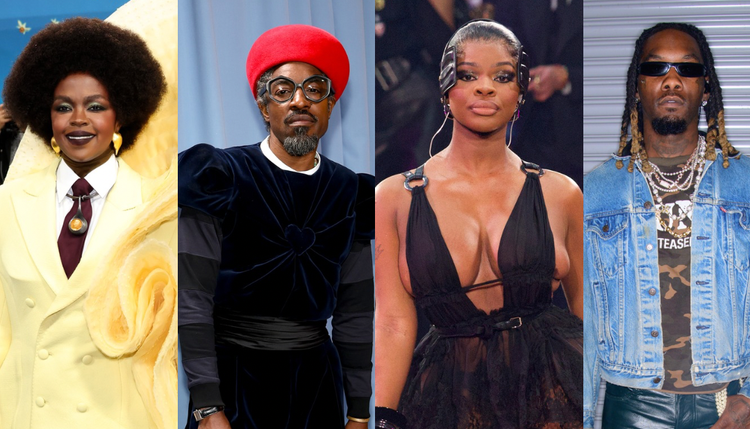
Lauryn Hill attends the 2025 Met Gala Celebrating "Superfine: Tailoring Black Style" at Metropolitan Museum of Art on May 05, 2025 in New York City.
André 3000 attends the 2025 Met Gala Celebrating "Superfine: Tailoring Black Style" at Metropolitan Museum of Art on May 05, 2025 in New York City.
JT walks the runway at the Dsquared2 fashion show during the Milan Fashion Week - Womenswear Fall/Winter 2025/2026 on February 25, 2025 in Milan, Italy.
Rapper Offset backstage during Hot 107.9 Birthday Bash 2025 at State Farm Arena on June 21, 2025 in Atlanta, Georgia.
Some of the most iconic solo rap careers didn’t begin with a mic and a spotlight all to themselves. A lot of today’s favorite rappers got their start in groups, whether it was a rap duo, a Southern collective, a chart-topping girl group, or a game-changing crew like Wu-Tang Clan. Those early group dynamics gave them the platform, confidence, and community to hone their voices before stepping out solo.
And when they did go solo? They didn’t just hold their own, they expanded their sound, added new layers to their artistry, and cemented their legacies. From pioneers like Dr. Dre and Lauryn Hill to newer faces like JT and Offset, these 11 artists showed that sometimes the boldest moves come after the group fades to black. This list is just part one!
1. Lauryn Hill
Before going solo, Lauryn Hill helped lead The Fugees to massive success. Her sharp lyrics and soulful hooks stood out, making her an instant favorite. Once she dropped her solo project, it was clear she was in a league of her own and the culture’s never been the same since.
2. Dr. Dre
Dr. Dre started with N.W.A., helping shape West Coast rap. But when he went solo, he didn’t just drop music, he built a movement. He introduced major artists, set trends in production, and turned himself into a global force beyond just rap.
3. André 3000
André 3000’s time in Outkast made him a star, but his solo moments, no matter how rare, show his range. Whether it’s guest verses or dropping a flute album, André 3000 always keeps things unexpected, and people still check for him.
4. Busta Rhymes
Before going solo, Busta Rhymes brought energy to Leaders of the New School. But once on his own, his wild delivery and creative visuals turned him into a standout. From club bangers to rapid-fire verses, he’s been in his own lane ever since.
5. Offset
Offset always brought flair to Migos. As a solo artist, he’s gotten more personal, showing fans another side of him. He still brings the energy, but now there’s more story behind the bars.
6. Method Man
Method Man always had star power within Wu-Tang Clan. When he went solo, he brought that same charisma, along with a style that made him a fan favorite. He’s kept his name relevant through music and acting.
7. Juicy J
Juicy J took the Three 6 Mafia sound and ran with it. His solo career brought Southern rap to new ears, and he stayed tapped into the culture through club hits, collabs, and production. He’s one of Memphis’ most lasting voices.
8. Takeoff
Takeoff wasn’t the loudest member of Migos, but his raps spoke for themselves. His solo work let his skills shine, reminding people he was never just in the background. Rest in peace, Rocket!
9. JT
JT brought grit and attitude to City Girls, and now she’s carrying that same energy into her solo career. Songs like “No Bars” and “OKAY” show she’s got something to say, with or without a partner on the mic.
10. Wyclef Jean
Wyclef Jean helped mold The Fugees’ sound, but his solo path took things global. He blended Hip Hop with reggae, pop, and acoustic elements, building a style all his own. His music often carried messages, rooted in his Haitian background.
11. Ghostface Killah
Ghostface brought emotion and detail to his rhymes, making him one of Wu-Tang Clan’s most vivid storytellers. His solo work dug even deeper, earning him a reputation as one of the most consistent rappers out of the crew.