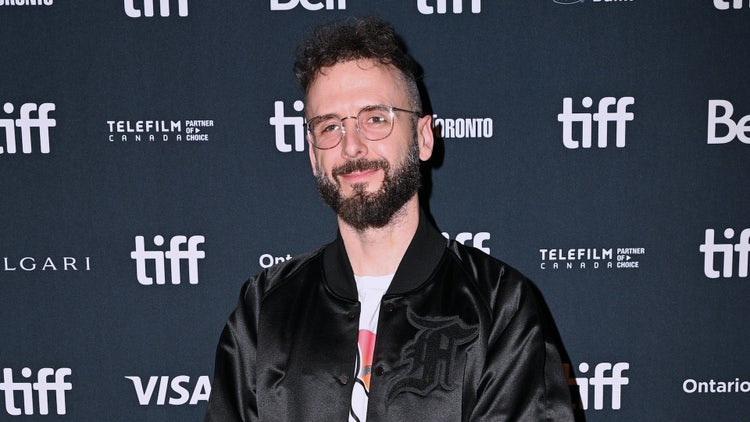
Noah “40” Shebib has become one of the most quietly influential figures in contemporary music. The Canadian talent is a producer, engineer, and creative partner whose work reshaped the sound of an era while keeping the spotlight firmly on the artists he supports. His path reflects a rare blend of technical mastery, artistic intuition, and personal depth, shaped by the environments he grew up in and the communities he remains committed to today.
Across decades, 40 helped build one of the most recognizable creative ecosystems in global music, all while navigating the pressures of success, expectations, and the demands of an industry that rarely slows down. His journey is marked by moments of reinvention, long stretches of behind-the-scenes dedication, and a perspective rooted in both lived experience and cultural awareness.
What makes 40’s story so compelling is how much of it remains under the surface — the milestones, turning points, and personal convictions that inform his work but aren’t always visible to the public. These nine facts offer a closer look at the life and career of a figure whose influence continues to ripple far beyond the studio.
1. He was literally in A Christmas Story before he was born
40’s mother, actress Tedde Moore, played Miss Shields in the 1983 holiday classic A Christmas Story while pregnant with him, so his first “appearance” in film history happened in utero. He also comes from a multigenerational Canadian arts family that includes theatre icon Dora Mavor Moore and writer-producer Mavor Moore, who taught him piano.
2. He started out as a TV kid and teen film actor
Before the boards and the Pro Tools sessions, Noah Shebib was a working child actor. He appeared in the “Goosebumps” episode “Go Eat Worms,” had a steady role on the Gemini Award-winning series “Wind at My Back,” and later played one of the lead teen roles in Sofia Coppola’s cult favorite The Virgin Suicides before retiring from acting after Perfect Pie.
3. He’s the son of celebrated Canadian director Donald Shebib
40’s father, Donald Shebib, was a landmark figure in Canadian film, best known for directing the ‘70s classics Goin’ Down the Road and Between Friends. Their family lineage runs deep in the country’s arts scene, and 40 has spoken about caring for his father in his final weeks — a period that shaped his recent reflections on identity and grief.
4. “DJ Chilly” became “40 Days & 40 Nights” – then just “40”
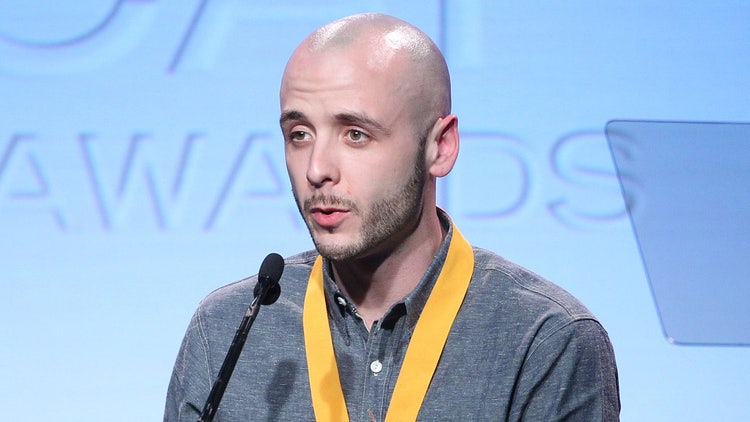
In his early music days, he was known as DJ Chilly, performing with MC Elite. His eventual producer name came from his brutal work habits: People started calling him “40 Days & 40 Nights” because he’d stay in the studio all night with no sleep. The nickname eventually got shortened to the now-legendary “40.”
5. He went from Drake’s engineer to the architect of his signature sound
40 began working with Drake as just an engineer and was said to have been committed to partnering exclusively within days of that first session. He later co-founded OVO Sound and shaped Drake’s rise by recording and mixing So Far Gone, producing its key tracks, and crafting the moody Take Care and “Marvins Room” sound that redefined atmospheric rap and R&B.
6. He’s built a landmark career while living with multiple sclerosis
40 was diagnosed with multiple sclerosis at just 22 years old, the same disease his mother lives with. His story was previously featured by the National Multiple Sclerosis Society, where he talks about using awareness and connection to push toward ending the disease – all while maintaining the intense studio schedule that made his name.
7. He’s Dr. Noah ‘40’ Shebib thanks to York University
In 2022, York University awarded him an honorary Doctorate of Laws (LLD) in recognition of his artistic and community impact. Friends and collaborators now half-jokingly, half-accurately refer to him as “Dr. Noah ‘40’ Shebib,” matching his reputation as both studio scientist and social activist.
8. His Justice Fund helped unlock an extra $1.6 billion for Canadian charities
Alongside his sister Suzanna Shebib and organizer Yonis Hassan, 40 co-founded the Justice Fund, designed to support youth and community organizations rather than act as a vanity celebrity foundation. Their policy work helped raise Canada’s mandatory foundation disbursement quota from 3.5% to 5%, a change that steered roughly $1.6 billion more into charities.
9. He channels his Lebanese roots into real-world action for Beirut and Palestine
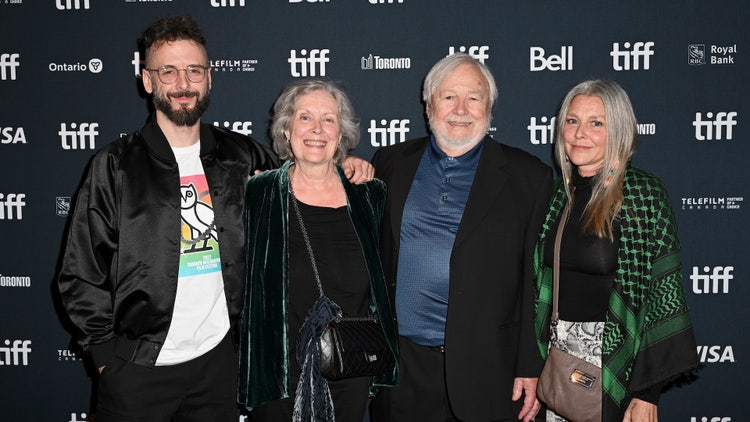
Through OVO, 40 helped release Lebanon-themed hoodies and T-shirts after the 2020 Beirut port explosion, featuring the owl logo merged with the Lebanese flag and directing proceeds to the Lebanese Red Cross. He also signed the Artists4Ceasefire letter on Gaza and personally got Drake to sign, then poured energy into supporting Palestinian-Canadian artist Nemahsis, offering OVO’s studio and his own production to help complete her debut album as a cultural statement.