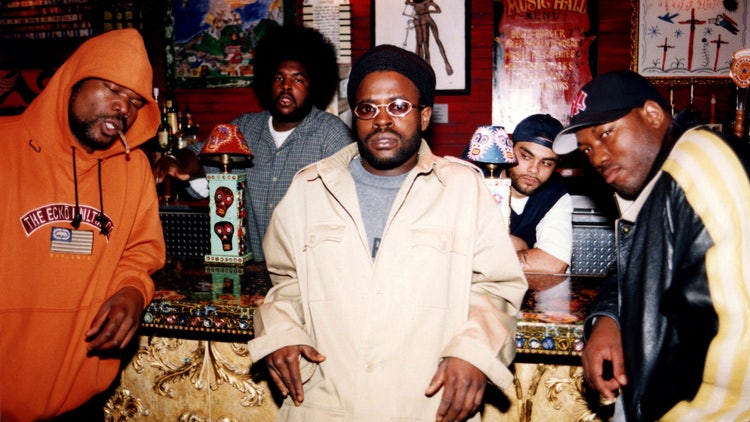
Since the late ‘80s, The Roots have redefined what a Hip Hop group could be. Forged in Philly by co-founders Ahmir “Questlove” Thompson and Tariq “Black Thought” Trotter, the band fused improvisational jazz, soul, and boom-bap vibes to form one of the most respected live acts in the world. Across albums like Do You Want More?!!!??! and Things Fall Apart, and later as the house band for “The Tonight Show Starring Jimmy Fallon,” The Roots built a career on reinvention, musical discipline, and Black cultural preservation.
While this list narrows in on 15 standout members whose contributions helped define various eras of The Roots, it’s worth acknowledging others within the extended family that helped shape the band’s evolution. Names like Scott Storch and Rahzel are widely remembered, but others like saxophonist Ian Hendrickson-Smith, trumpet player Frank Knuckles, and gospel-soul vocalist Martin Luther McCoy brought dimension to the band during key eras. Through blistering solos, backing harmonies, and electric stage presence, these contributors added flavor to The Roots’ ever-expanding sound — especially during live shows and televised performances.
These 15 figures represent a thoughtfully selected group whose musical presence helped define The Roots at different stages of their groundbreaking journey.
1. Ahmir “Questlove” Thompson
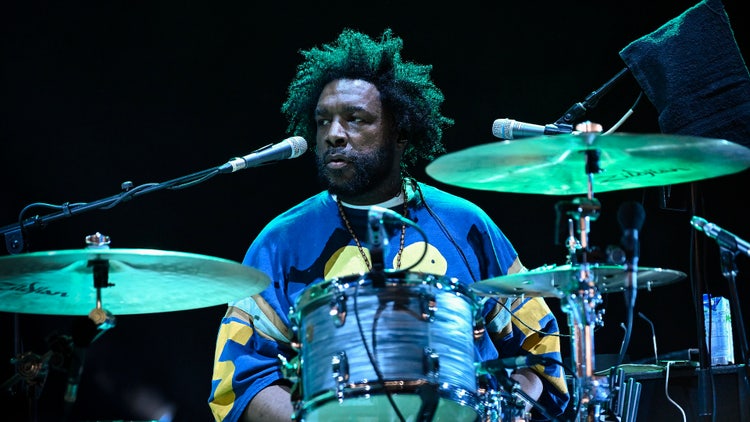
Co-founder, drummer, and unofficial archivist of Black culture, Questlove is the rhythmic heartbeat of The Roots. His encyclopedic musical knowledge and time-bending drumming style helped define the group’s signature blend of neo soul, Hip Hop, and jazz. Beyond the stage, he’s also a director (Summer of Soul), professor, and host of “Questlove Supreme.” His Afro and head nod remain an iconic fixture in Hip Hop performance.
2. Tariq “Black Thought” Trotter
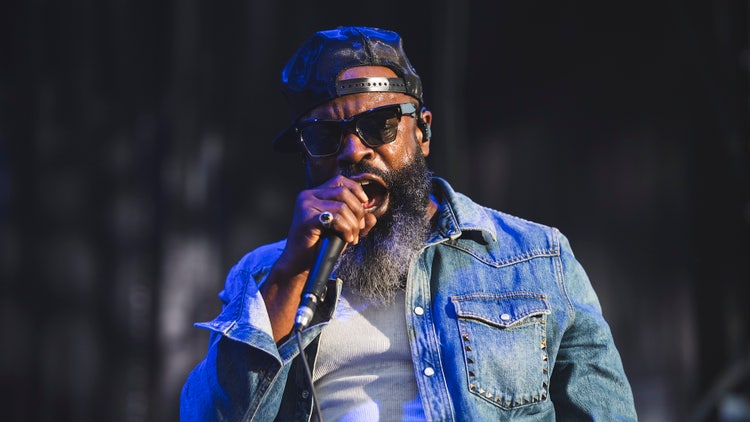
A lyrical titan with unmatched breath control and bar-for-bar ferocity, Black Thought has been The Roots’ emcee since day one. Whether on early cypher-style records like Do You Want More?!!!??! or delivering viral freestyles on Funk Flex, he brings poetry, power, and presence. His solo ventures have only deepened appreciation for his technical prowess and narrative depth.
3. Malik B.
The late Malik B. was Black Thought’s gritty rhyme partner on early albums, including Illadelph Halflife and Things Fall Apart. Known for his rugged delivery and streetwise lyricism, Malik helped ground The Roots’ early sound in raw East Coast realism. He left the group in the early 2000s but remained a respected part of their legacy until his death in 2020.
4. Leonard “Hub” Hubbard
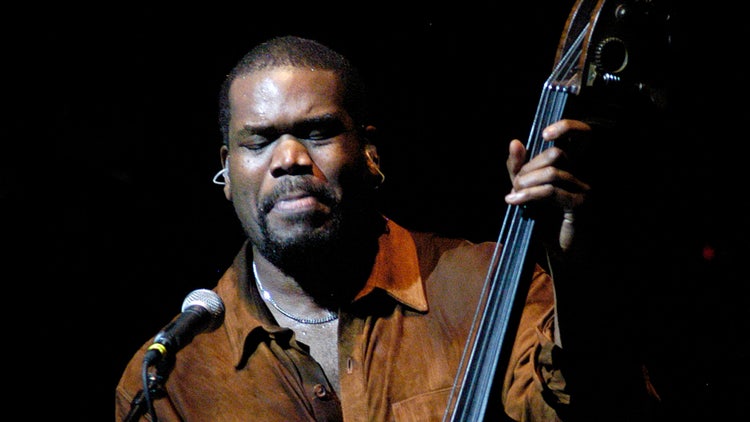
With his ever-present scowl and smooth upright basslines, Hubbard provided the low-end groove from 1992 to 2007. His work on tracks like “The Next Movement” and “What They Do” brought jazz credibility and warmth to the band’s live rhythm section. He passed away in 2021 after a long battle with cancer, but his influence still reverberates in The Roots’ DNA.
5. Kamal Gray
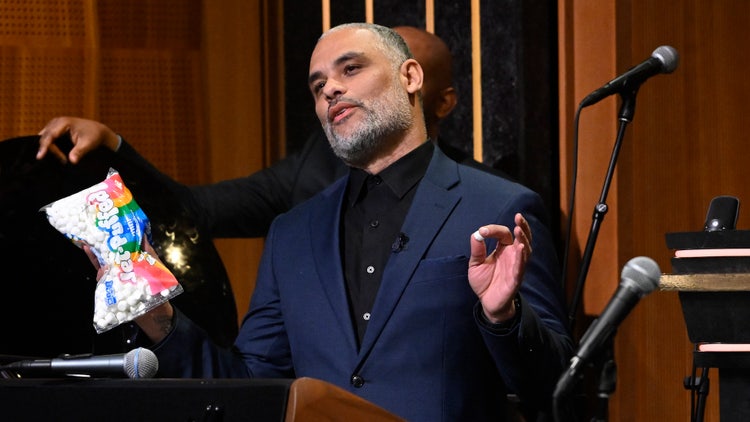
The quiet force on keys since the early '90s, Gray added harmonic sophistication and gospel-soul tones to the group’s increasingly layered sound. His subtle contributions helped balance the grit of the emcees with melodic atmosphere, especially on albums like Phrenology and Game Theory.
6. James Poyser
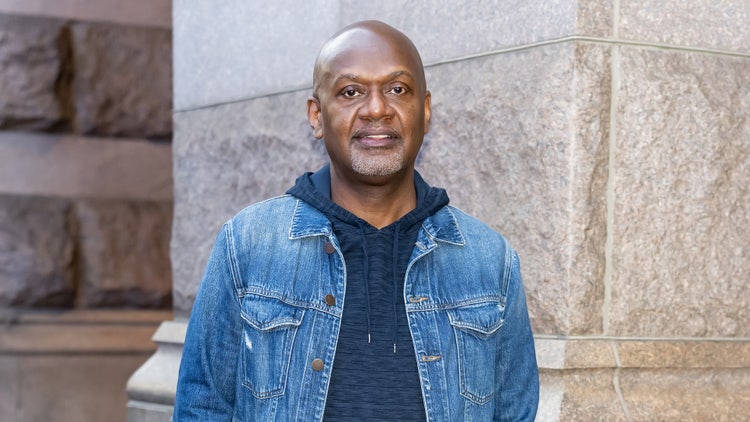
A frequent Soulquarians collaborator, Poyser officially joined The Roots’ live lineup in the late 2000s and became a full-time member during their “Tonight Show” era. He’s worked with Erykah Badu, D’Angelo, and Common, but his church-rooted chords and Fender Rhodes flourishes are most at home on The Roots’ records and live sets.
7. Kirk “Captain Kirk” Douglas
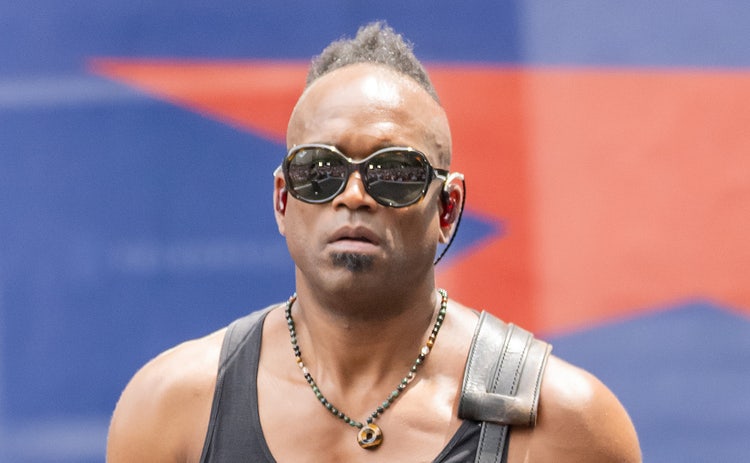
Known for his afro, falsetto vocals, and Hendrix-style showmanship, Captain Kirk became the band’s lead guitarist and occasional frontman starting in the early 2000s. His guitar solos often steal the show during live sets, and his covers — especially Prince’s “The Beautiful Ones” — showcase The Roots’ genre versatility.
8. Rahzel the Godfather of Noyze
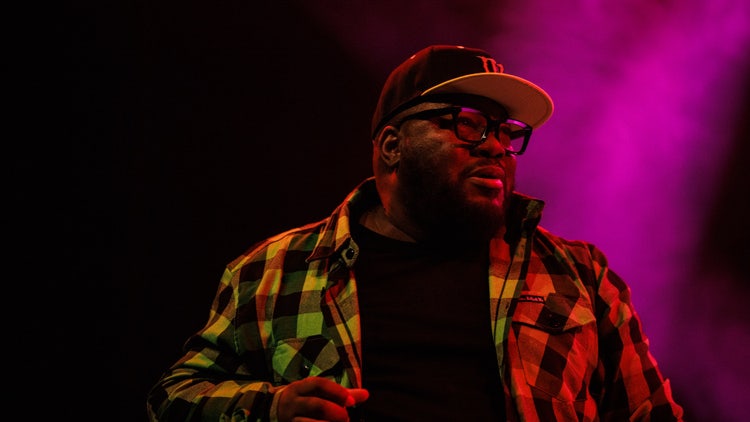
The human turntable himself, Rahzel revolutionized beatboxing with his ability to simultaneously vocalize lyrics and percussion. His live performances, including classics like “If Your Mother Only Knew,” helped The Roots stand out in an era dominated by samples and drum machines.
9. Scratch (Kyle Jones)
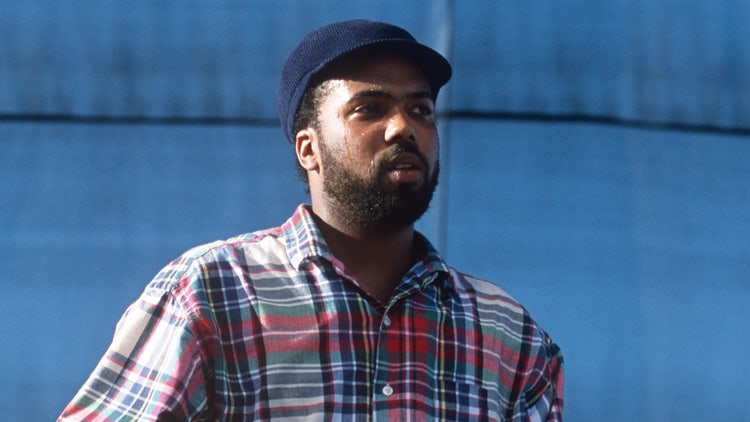
Often paired with Rahzel during the band’s golden live years, Scratch brought a different style of vocal percussion that mimicked DJ cuts and scratches with eerie accuracy. His contributions were more live-performance driven, but no less vital to the spectacle of The Roots’ early 2000s shows.
10. Scott Storch
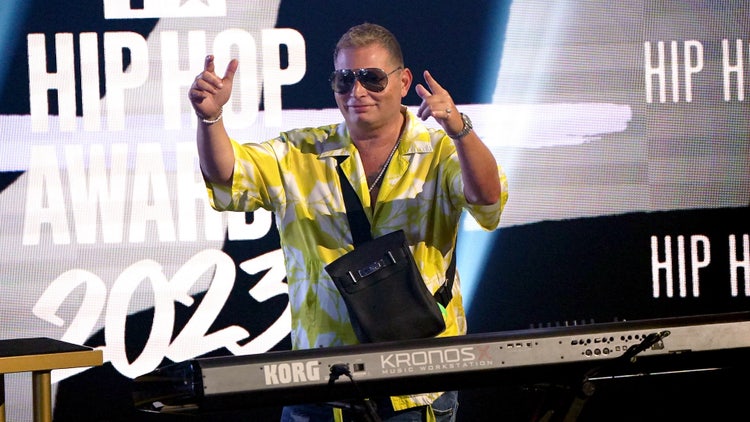
Before producing hits for Dr. Dre, Beyoncé, and Fat Joe, Scott Storch played keyboards for The Roots during their Organix and Do You Want More?!!!??! era. His classical piano background added unique textures to early Roots compositions. He left the group to pursue production but remains part of their foundational lore.
11. Dice Raw (Karl Jenkins)
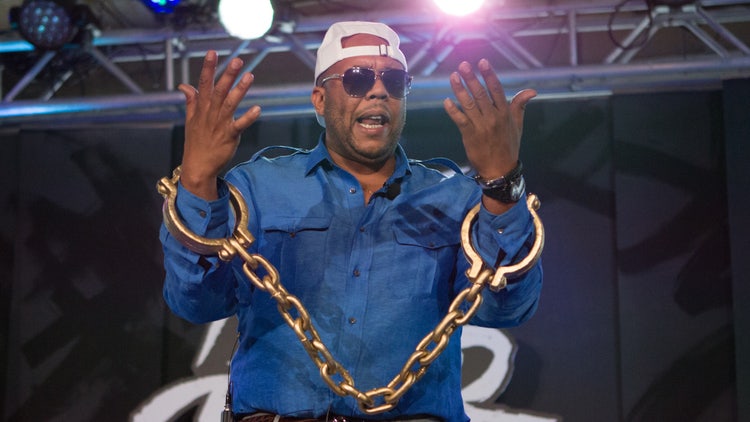
An honorary Root through and through, Dice Raw wasn’t a full-time member, but his presence is felt across multiple albums, from Illadelph Halflife to Rising Down. Known for his brash, street-savvy bars and raspy voice, he often acted as the group’s unfiltered voice of the block.
12. Ben Kenney
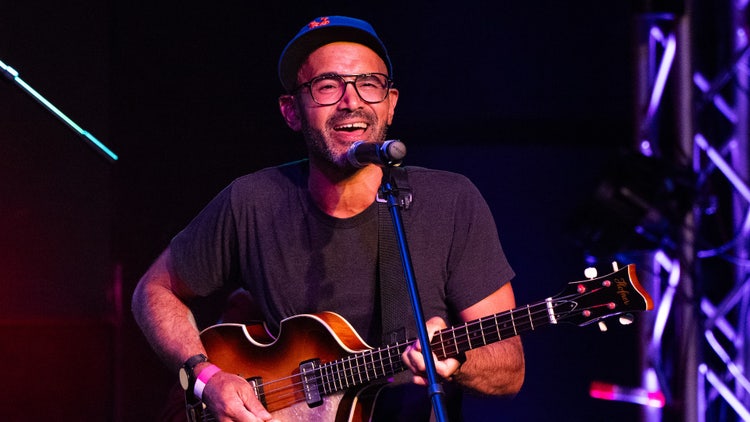
Before joining Incubus as a full-time bassist, Ben Kenney contributed guitar work to The Roots during the early 2000s. Most notably present during the Phrenology era, Kenney brought a more rock-oriented sensibility to the band’s evolving sound. Though his tenure was relatively brief, his aggressive playing style marked a sonic shift on tracks like “Seed 2.0,” which fused Hip Hop with alternative elements.
13. Damon “Tuba Gooding Jr.” Bryson
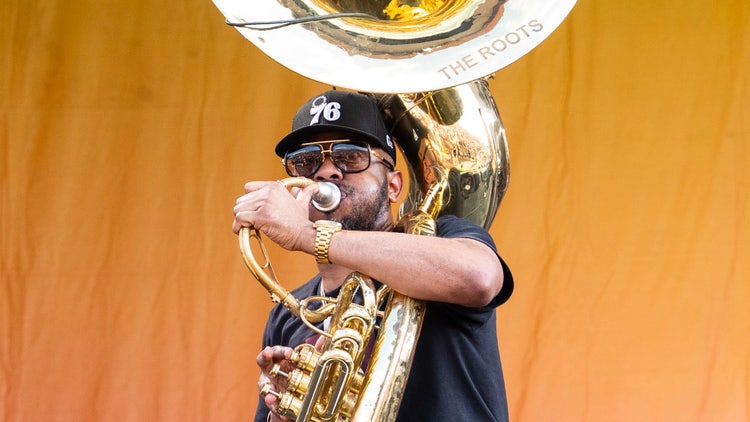
With a sousaphone strapped to his frame, Bryson brought literal brass to The Roots’ bottom end. Part of the post-2007 live show renaissance, he’s an unmistakable presence in the band’s TV and festival performances, giving a New Orleans second-line flair to the mix.
14. Ray Angry
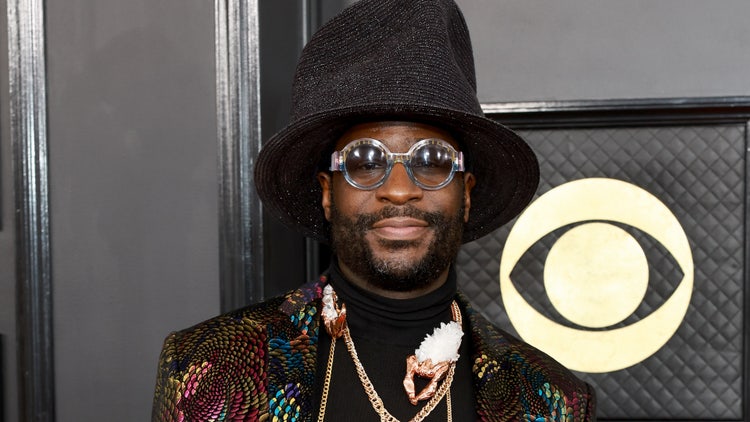
Known as “Mr. Goldfinger,” Ray Angry is a classically trained pianist and composer who joined the Roots collective in the 2010s. His theatrical style and jazzy improvisations have added new depth to the group’s instrumental flexibility during “Tonight Show” performances and special sets.
15. Dave Guy
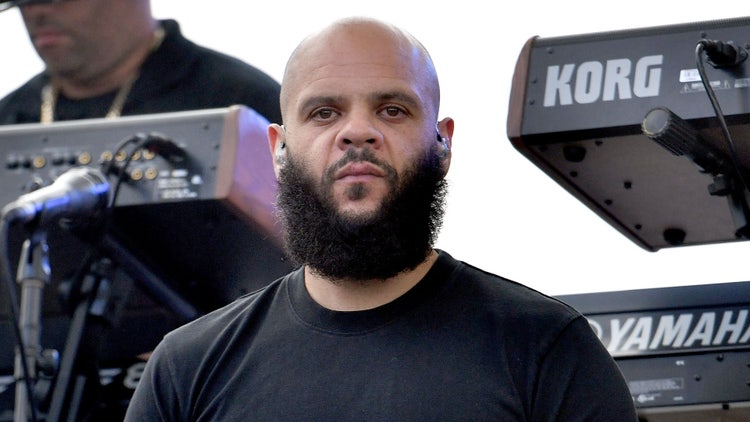
Formerly of The Dap-Kings (led by Sharon Jones and a big contributor to classics like Amy Winehouse’s Back to Black), Guy joined The Roots horn section in the 2010s and became a fixture during their “Tonight Show” tenure. With a trumpet tone that nods to vintage soul and funk, he brings a classic warmth to the band's more modern arrangements.