Key Takeaways
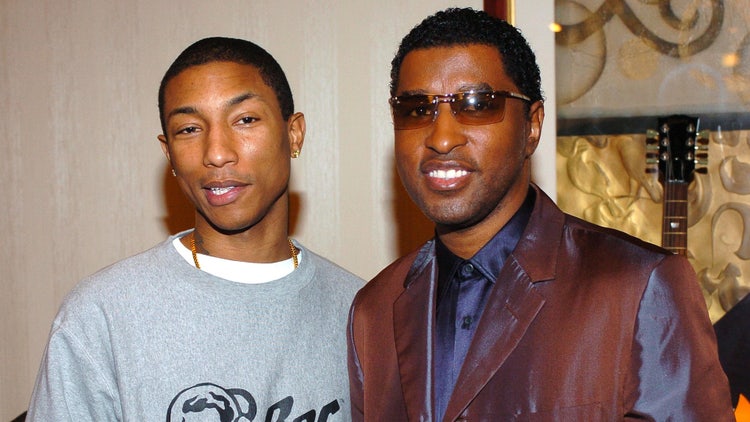
- The Grammy Award for Producer of the Year, Non-Classical, has recognized pivotal contributions from Black R&B and Hip Hop producers.
- Babyface, Dr. Dre, and Pharrell Williams each brought distinct sonic innovations to their Grammy-winning work.
- These honors signal a broader industry shift toward valuing R&B and Hip Hop production at the highest level.
The Grammy Award for Producer of the Year (Non-Classical) is one of the Recording Academy’s highest acknowledgments of creative and technical achievement. While producers across all genres have earned the honor since its introduction, only a select group of Black R&B and Hip Hop–aligned creators have received the award for work that shaped Black popular music during their winning cycles. Their contributions span foundational soul recordings, new jack swing, ‘90s R&B, turn-of-the-century rap, and the more modern crossover of sounds.
These beatsmiths and musicians helped define the sound of major albums, launched influential careers, and introduced techniques that continue to guide the industry. Some served as architects behind entire movements, whether through self-produced studio innovations, artist development, or production teams that shifted radio trends. Others earned recognition for landmark projects that set commercial and cultural benchmarks.
This list highlights the Black producers whose Grammy-winning work is directly connected to R&B and Hip Hop output, either through their personal background and catalog or the specific projects cited during their award periods. Each entry reflects the productions, collaborations, and creative decisions that contributed to their Producer of the Year honors and solidified their presence in the evolution of Black music.
1. Babyface & L.A. Reid
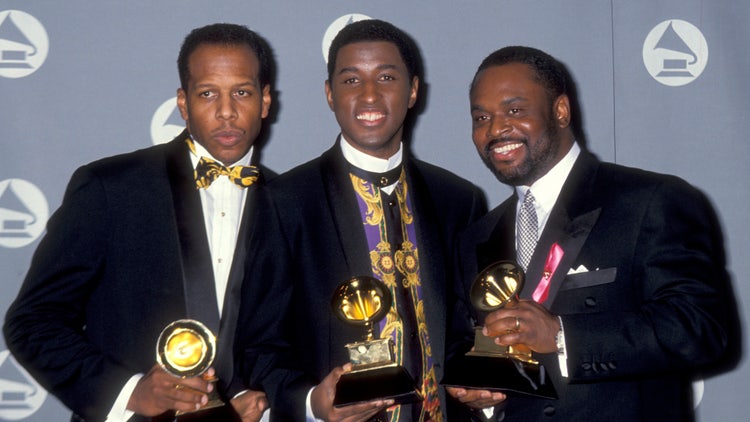
Babyface is a four-time Producer of the Year winner — one shared with L.A. Reid and three solo, the most in the category’s history. Their team win was actually a tie with Brian Eno and Daniel Lanois, and involved work including the Boomerang soundtrack and hits for TLC and Bobby Brown. Babyface’s solo run covered R&B projects for Boyz II Men, Toni Braxton, Whitney Houston, and others.
2. Quincy Jones (solo and with Michael Jackson)
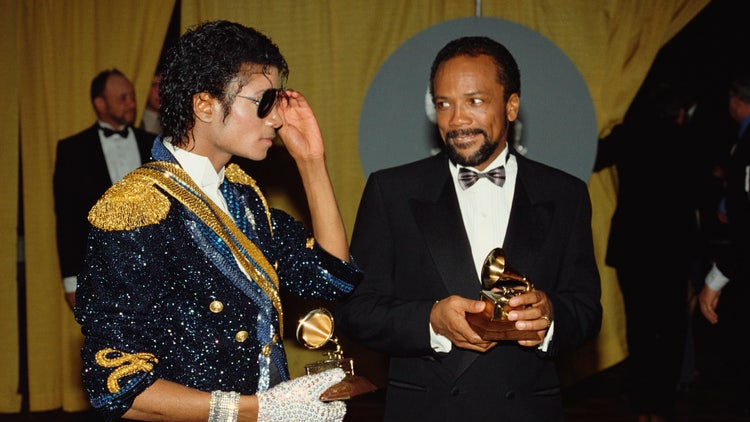
Quincy Jones, a three-time honoree, earned recognition for work on The Dude, Back on the Block, and other major R&B and pop releases. His shared award with Michael Jackson reflected their co-production of Thriller and its commercially dominant singles, which the Recording Academy cited during that Grammy cycle.
3. Stevie Wonder
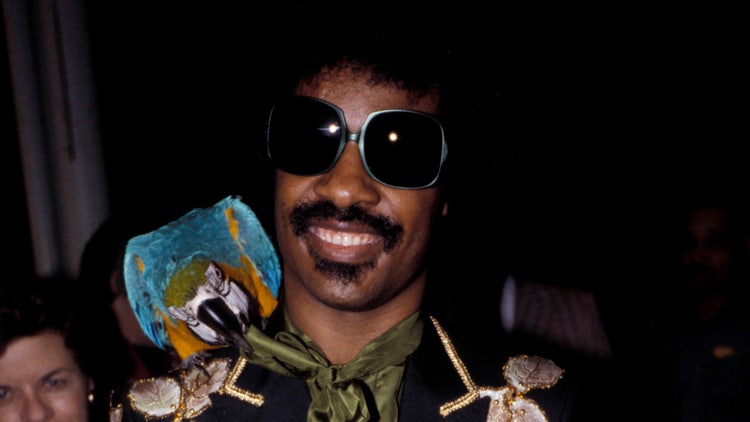
Stevie Wonder’s Producer of the Year win acknowledged his work as a self-contained creator during the Songs in the Key of Life period. That album, released in 1976, was written, arranged, composed, and produced entirely by R&B and soul legend.
4. Jimmy Jam & Terry Lewis
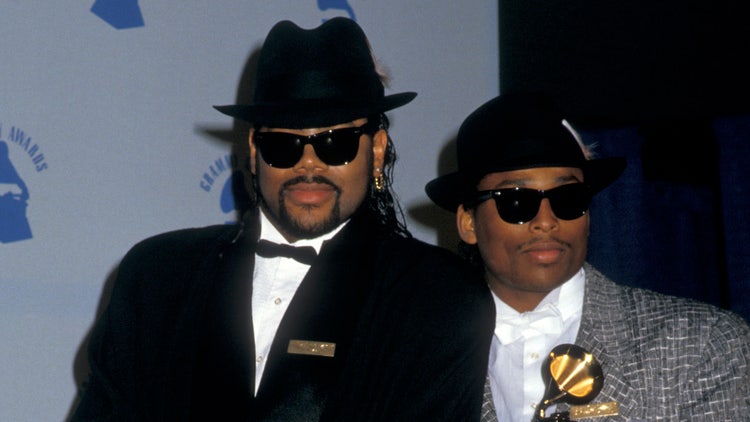
Jimmy Jam and Terry Lewis won Producer of the Year on the strength of their work on Janet Jackson’s Control and its singles. The album’s fusion of R&B, funk, and pop — produced primarily at their Flyte Tyme studio — is directly linked to their 1987 Grammy win in this category.
5. Dr. Dre
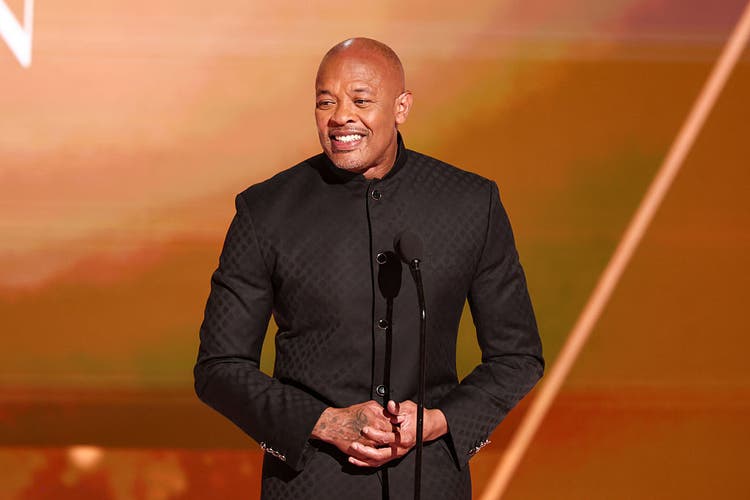
Dr. Dre became the first Hip Hop producer to win Producer of the Year, with the award tied to his late-’90s and early-2000s work. That period includes his 2001 album and production for Eminem, which helped define a new mainstream era for West Coast and Detroit rap.
6. Pharrell Williams
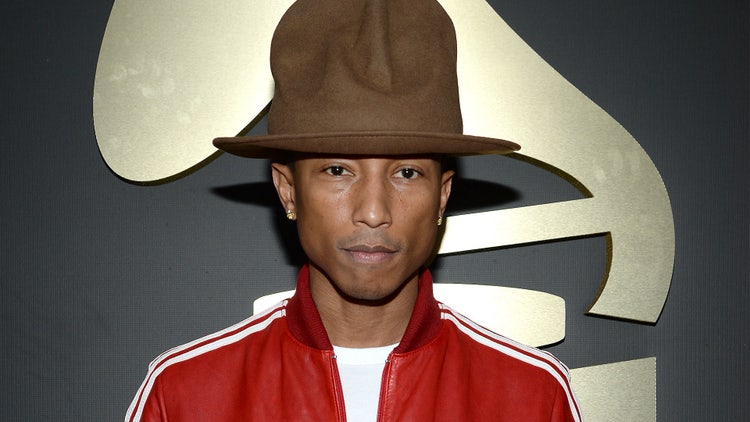
The Neptunes won Producer of the Year (Non-Classical) for a run that included Nelly’s “Hot in Herre” and Justin Timberlake’s Justified, among other pop and Hip Hop releases. Pharrell later added solo Producer of the Year wins, bringing him to three total (one with The Neptunes, two solo), with work that includes his album G I R L and the single “Happy.”
7. Danger Mouse
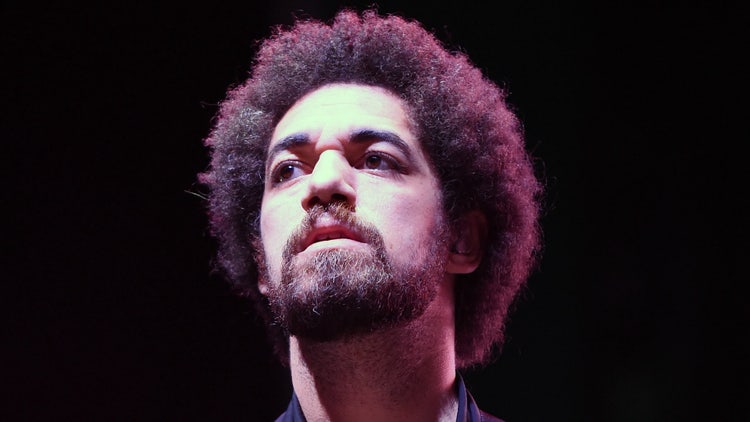
Danger Mouse’s Producer of the Year (Non-Classical) win came at the 2011 Grammys, several years after Demon Days and following projects like Gnarls Barkley’s St. Elsewhere and The Black Keys’ Brothers. Notably, the Recording Academy explicitly linked his win to this run of alternative and soul-influenced work.
8. Lionel Richie
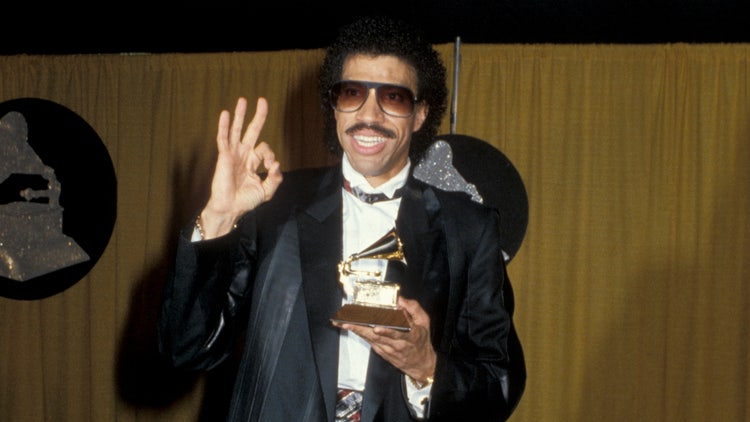
James Anthony Carmichael and Lionel Richie shared the award in a tie (with David Foster) that reflected their work on Richie’s solo albums, especially Can’t Slow Down. That project, produced mainly by the duo, blended R&B, pop, and soul, and generated multiple major hit singles.