Key Takeaways
- Angela Davis’ activism spans decades, from the Communist Party to co-founding Critical Resistance.
- She was wrongfully accused in a high-profile case and later became a global symbol of justice.
- Her influence on Black Lives Matter and modern abolitionist movements remains powerful today.
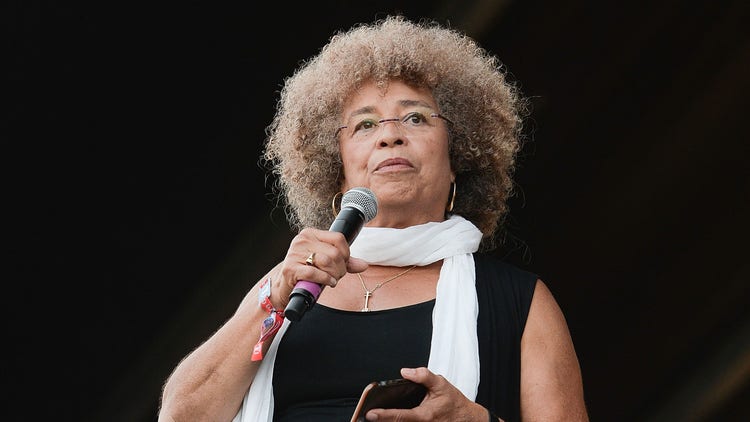
There’s a lot to unpack when it comes to philosopher and activist Angela Davis. Born in Birmingham, Alabama, she encountered racism and activism at an early age, given the South’s long history of racial oppression. Rather than being deterred, Davis went on to study at several universities, became a member of the Communist Party, worked alongside the Black Panther Party, and later helped form Critical Resistance.
Given her decades-long role as an activist and public figure, you’d think most people would already know her story. For those who don’t, REVOLT rounded up 13 facts to know about Angela Davis. Check them out below.
1. She grew up in Birmingham’s "Dynamite Hill" neighborhood
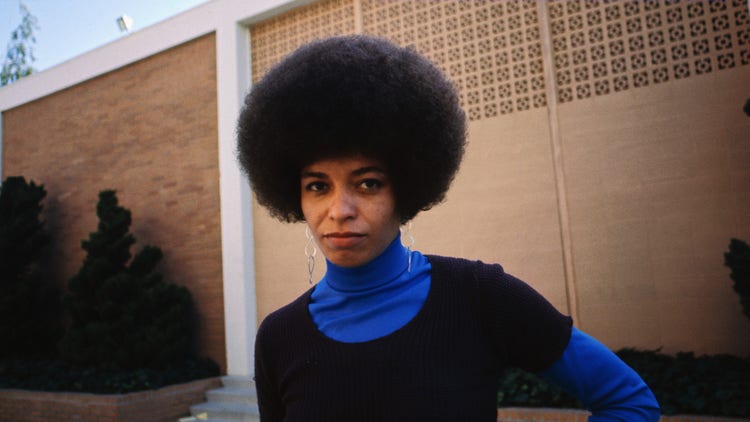
Davis grew up in what was arguably one of the most racially segregated cities in the country. During the civil rights movement, Birmingham earned the nickname “Bombingham” due to the estimated 40-plus bombings that targeted Black homes and churches during that era. As a result, Center Street — where Davis lived — was often referred to as Dynamite Hill because of the frequent Ku Klux Klan attacks on Black families.
Even so, Davis later described herself as a “proud, Black Alabamian” during her “Voices for a Just World” event in January 2026. “When I reflect back on my background, I feel so thankful that despite the regimes of segregation, I think I grew up in the best possible place for me,” she said, according to All Alabama.
2. She studied at Brandeis University
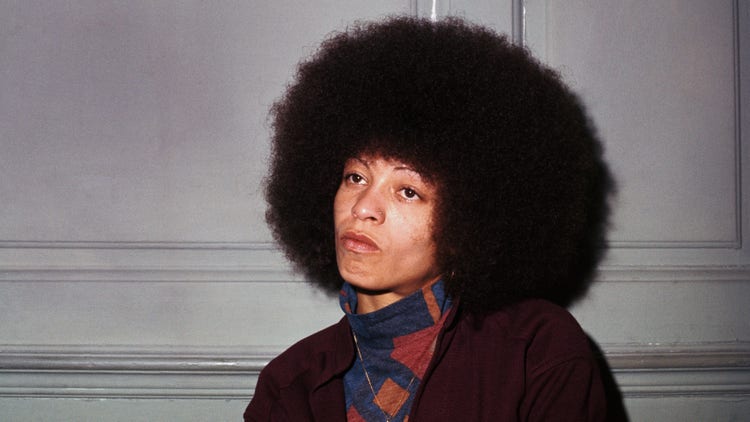
Like many philosophers of her era, Davis understood that knowledge is power. Among the many institutions she studied at, the “If They Come in the Morning” author graduated magna cum laude from Brandeis University in 1965.
3. UCLA hired her as an acting assistant professor of philosophy
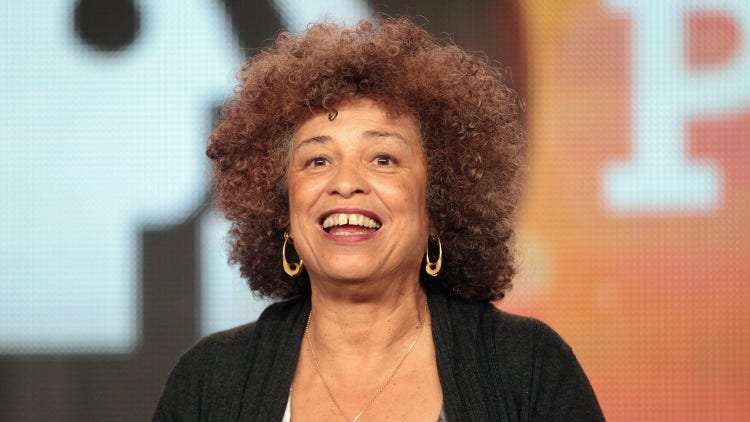
In 1969, Davis taught a philosophy course at the University of California, Los Angeles, though the Board of Regents attempted to remove her because of her membership in the Communist Party. She was ultimately dismissed the following year, according to UCLA’s website. “I wasn’t seeking fame. I wasn’t seeking notoriety. I just wanted to be a teacher and an activist,” Davis later told the university’s newsroom, decades after the controversy, when she was nominated as a Regents’ Lecturer to teach a graduate seminar in gender studies.
4. She was a member of the Communist Party
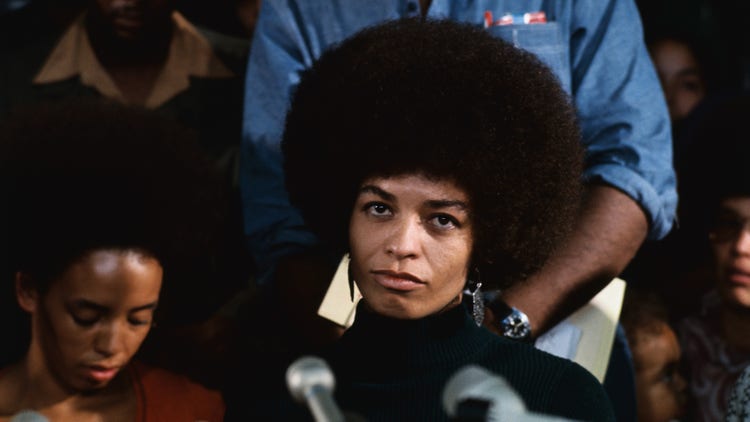
As mentioned earlier, Davis’ affiliation with the Communist Party didn’t sit well with everyone. She joined the Communist Party USA in the 1960s and remained a member until her departure in 1991. It’s worth mentioning that exit wasn’t about distancing herself from socialist ideals or critiques of capitalism, but rather what she described as “constraints” within the party at the time.
“A number of us who signed a petition, who circulated a petition, about the need for democratization of the structures of governance of the party were not allowed to run for office,” Davis said when explaining her decision. “So, in a sense, we were invited to leave.”
5. She was wrongfully accused in the Marin County Civic Center attacks
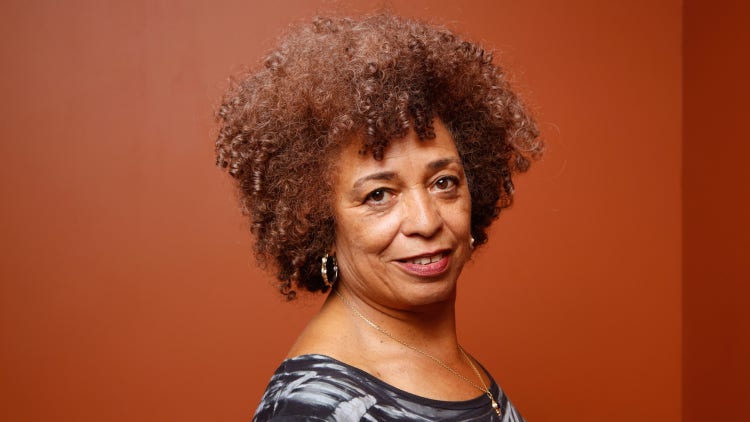
In August 1970, firearms Davis had purchased were used during an armed escape attempt involving three murder defendants at a Marin County courthouse. Despite not being at the scene, the activist was charged with “aggravated kidnapping and first-degree murder in the death of Judge Harold Haley,” after which she went on the run.
She was arrested two months later at a motor lodge in New York. Ultimately, a jury acquitted Davis of both kidnapping and murder, determining that while she owned the guns used in the escape, that fact alone didn't make her legally responsible for what ensued.
6. She was the third woman ever placed on the FBI’s 10 Most Wanted Fugitives list
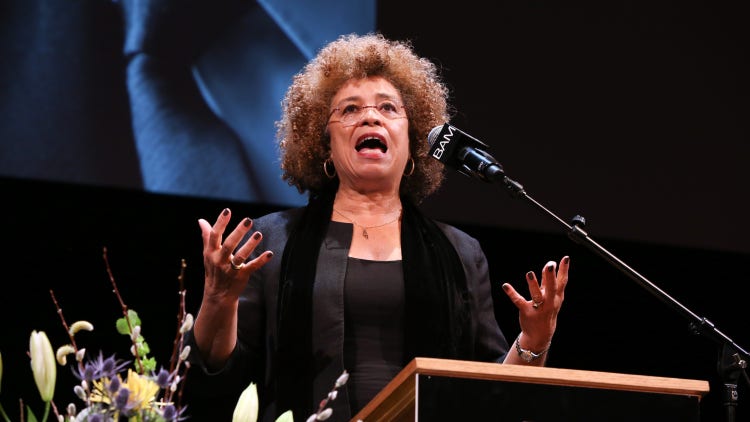
As a result of the aforementioned incident at the Marin County Courthouse, Davis was placed on the FBI’s 10 Most Wanted Fugitives list. The first two women to appear on the list were Ruth Eisemann-Schier and Marie Dean Arrington, who, unlike Davis, were convicted.
7. She’s published several books throughout her lifetime
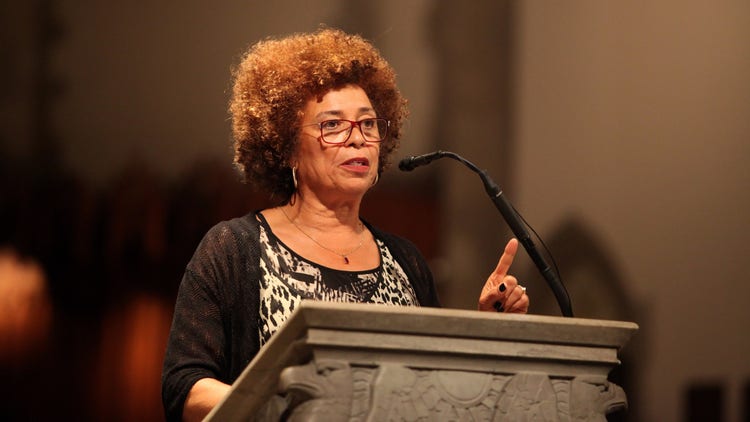
Davis has authored numerous books over the course of her life, many of which explore feminism, prison reform, and her own personal experiences. For readers looking to learn more about the activist herself, a good place to start is “Angela Davis: An Autobiography,” which was published in the 1970s.
Her books “Are Prisons Obsolete?” and “Abolition Democracy” focus closely on the prison system, much as the titles suggest, while “Freedom Is a Constant Struggle” examines issues including the aftermath of Michael Brown’s killing in Ferguson and “the ways Palestinians experience political incarceration.”
8. She was awarded the Lenin Peace Prize

Very few Americans can say they’ve received the Lenin Peace Prize, especially since it stopped being awarded after the collapse of the Soviet Union, and Davis is one of them. She received the honor in 1979, after having visited the USSR several times.
9. She ran for vice president of the United States
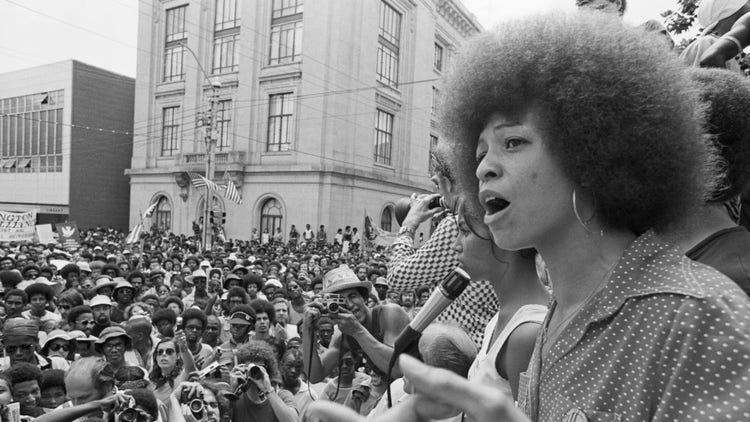
Yes, you read that right. Before leaving the Communist Party, Davis served as the vice-presidential nominee not once, but twice. She agreed to run alongside Gus Hall in both 1980 and 1984.
During her second campaign, Davis was at least somewhat aware they were unlikely to defeat Ronald Reagan, which led her to urge radicals to work with the Democratic Party “in a mass movement to defeat” him. “Revolutionaries must be realists,” she told The New York Times back then.
10. She’s a part of the LGBTQ+ community
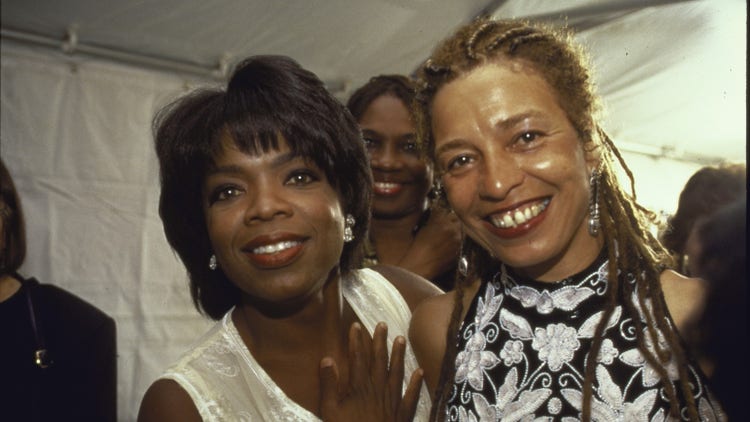
In addition to being an activist and former member of the Black Panther Party, Davis is also a lesbian. She came out publicly in 1997 during an interview with Out Magazine. For those wondering, Davis later began dating Gina Dent, with whom she co-wrote both “Prison as a Border: A Conversation on Gender, Globalization and Punishment” and “Abolition. Feminism. Now.”
11. She was inducted into the National Women’s Hall of Fame
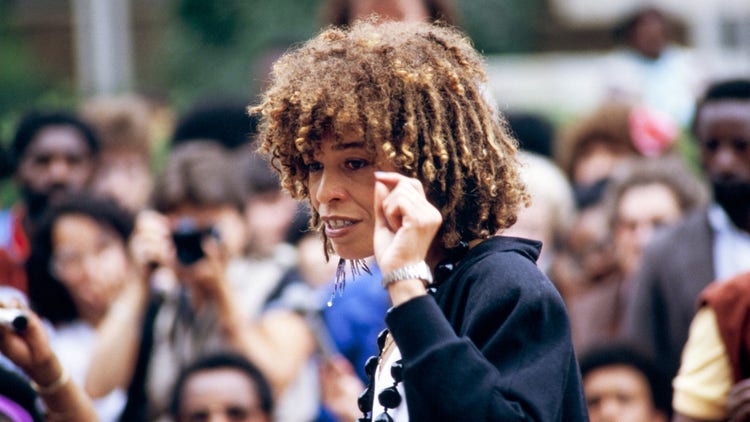
Davis was inducted into the National Women’s Hall of Fame in 2019, where she was recognized for her “activism and scholarship over many decades.” During her speech, the philosopher shared, “At each significant turning point in my life, when I was introduced to the world of progressive political activism, anti-racist prison abolition struggles, when I myself was on the FBI’s 10 Most Wanted List and ended up spending two years in jail and on trial, when I became involved in many international solidarity efforts, intersectional feminist movements, I’ve always been one of many.” A powerful honor, to say the least.
12. She has an Honorary Doctorate degree from the University of Cambridge
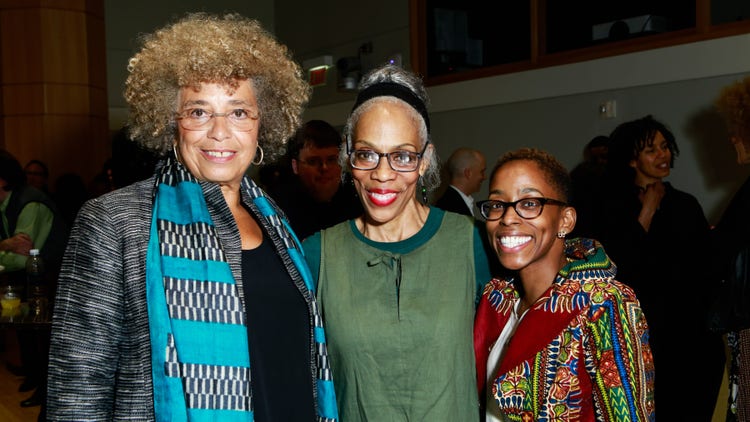
In 2025, the University of Cambridge honored Davis with an Honorary Doctorate in Letters. She, alongside names like Stormzy and Simon Russell Beale, was one of “eight distinguished individuals” recognized for their contributions across various fields. It’s an incredible group to be part of, if you ask us.
13. She co-founded Critical Resistance
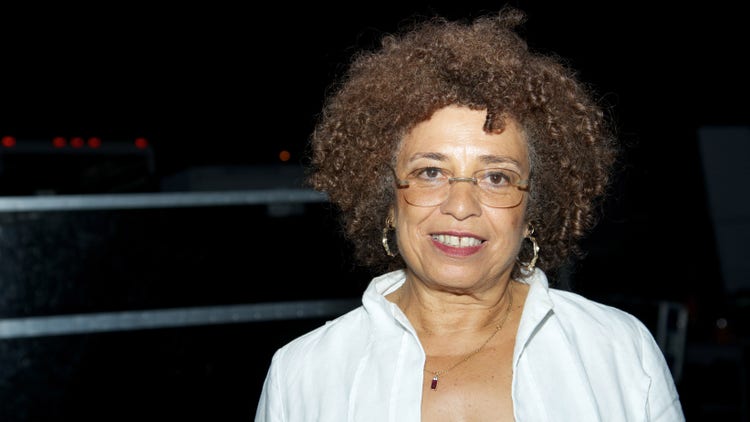
With Rose Braz and Ruth Wilson Gilmore, Davis co-founded Critical Resistance with the aim of abolishing the prison-industrial complex. Per the group’s website, CR has “helped stem the tide of prison and jail construction” and “shifted common sense about policing” since its launch.