Key Takeaways
- “Hate 2 Say” draws from Erykah Officer’s experience being passive in relationships that affected her personal growth.
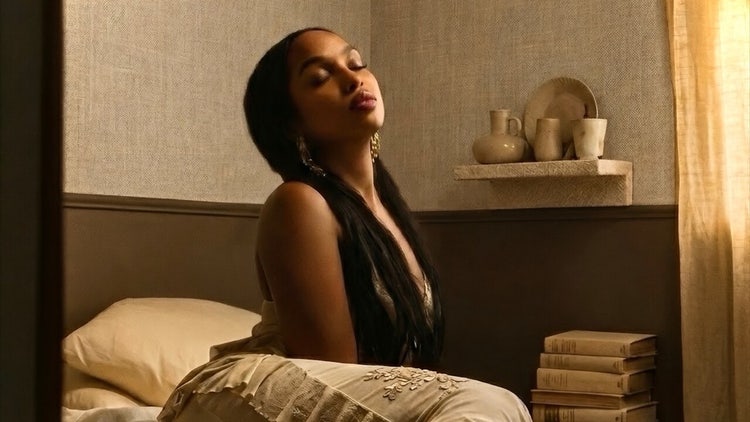
- The 440 Artists-backed release includes a video set in a bedroom environment that premiered on REVOLT’s network.
- The single follows earlier tracks “Fun Girl” and “My Bad,” and builds on themes introduced in Officer’s 2023 project, Ery’s Diary.
On Wednesday (April 8), Erykah Officer returned with her new single, “Hate 2 Say.” On the Mat1k and Shepard Thomas-produced cut, the rising R&B singer leaned into the pain of realizing that love, comfort, and history are not always enough to keep someone in your life. The 440 Artists-backed release also arrived with an accompanying video that premiered on REVOLT’s network.
Built around longing, frustration, and clarity, “Hate 2 Say” saw Officer deliver lines like, “Rise up when the morning comes, wishing I rolled over to ya, trying not to call your phone,” before pushing deeper into feelings of sadness, comparison and disappointment: “I had to say this, but you’re holding me back.” As she made clear, some truths hurt to admit, but keeping them in can hurt even more.
Officer explained to REVOLT how the soulful offering came from a personal place and was meant to reach people dealing with all kinds of emotional standstills. “‘Hate 2 Say’ was rooted in me being passive with people I cared about, but were hindering my growth,” she shared. “I wanted to create a universal record that would penetrate the hearts of millions in different spaces where they may have felt stuck because of their ecosystem, be it platonic, romantic, or in their career, and inspire them to confess how they truly feel and let go to become better.”
The video keeps that same idea front and center. Set mostly in a bedroom, it shows Officer alone at some points and beside a love interest at others. Quiet moments of closeness, including him reading and lying beside her, give the visual a tasteful sense of intimacy while Officer pours out the song’s powerful core.
How “Hate 2 Say” fits into Erykah Officer’s recent run
This single added a new chapter to Officer’s steadily growing catalog. Back in 2025, “Fun Girl” leaned into freedom, detachment, and a more carefree energy; months later, “My Bad” turned inward and dealt with self-blame after believing in the wrong person. Those infectious drops followed the 2023 project, Ery’s Diary, which introduced a more vulnerable side of her songwriting.