Key Takeaways
- Two men pleaded guilty to Corey Stingley’s 2012 killing but will avoid prison time under a deferred prosecution deal.
- The plea follows a rare restorative justice process involving the Stingley family and the defendants.
- The case remained inactive for years until renewed pressure led to charges and a controversial resolution.
Thirteen years after Corey Stingley died inside a Wisconsin convenience store over an alleged $12 shoplifting attempt, his family is finally seeing something the justice system denied them for over a decade: accountability.
Last Thursday (Jan. 15), a judge in Milwaukee accepted a plea deal for two white men charged in connection with Stingley’s killing, closing a yearslong fight led by his father, Craig Stingley, to get prosecutors to treat his 16-year-old son’s death like the crime it was. According to ProPublica, Robert W. Beringer and Jesse R. Cole pleaded guilty to felony murder under a deferred prosecution agreement, which allows them to avoid jail time if they comply with court-ordered conditions and don’t commit any new crimes.
Corey was killed in 2012 after Beringer and Cole helped restrain him inside VJ’s Food Mart in West Allis, Wisconsin. A third man involved in restraining him, Mario Laumann, later died in 2022, which is why only Cole and Beringer faced charges in the case. Stingley, who was unarmed, had allegedly tried to steal $12 worth of alcohol. The Milwaukee County Medical Examiner’s Office ultimately found he died from asphyxiation after a “violent struggle with multiple individuals,” ruling his death a homicide.
“What happened to Corey Stingley should have never happened. His death was unnecessary, brutal and devastating,” Dane County District Attorney Ismael Ozanne told the judge in a letter filed with the court. The case moved forward through an approach that’s still rare in cases like this: restorative justice. Ozanne recommended the agreement after the two men and the Stingley family sat face to face in an extensive restorative justice process, which he said “appears to have been healing for all involved,” per ProPublica.
Why Corey Stingley’s case went ignored for so long
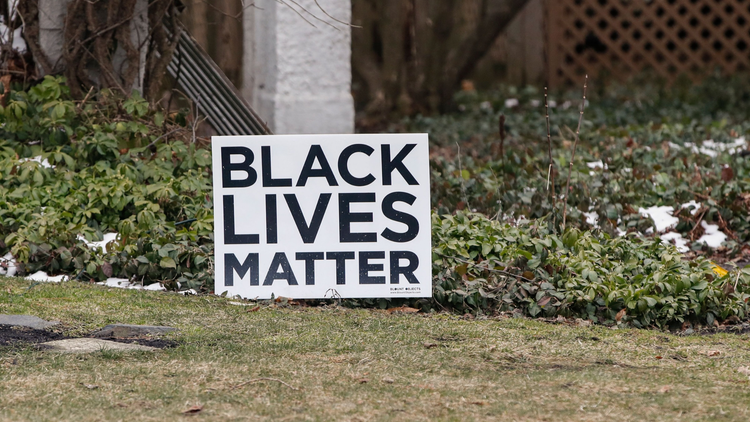
Corey’s death happened the same year as Trayvon Martin, the Black Florida teen shot to death by a neighborhood volunteer watchman, who was acquitted in 2013. Martin’s case drew national attention and helped spark the formation of the Black Lives Matter movement. But Corey’s death after being restrained by three white men did not garner widespread notice outside Wisconsin.
And for years, nothing in the legal system changed. Prosecutors initially declined to charge anyone, arguing there was no intent to kill. Over time, Craig kept pushing anyway. Two prosecutors reviewed the case, but nothing came of it. As ProPublica reported in 2023, Craig eventually turned to an obscure “John Doe” statute that allows private citizens to petition a judge when prosecutors won’t move forward. His late 2020 petition helped trigger yet another review of the case — one that finally led to charges.
At the Jan. 15 hearing, Corey’s parents spoke directly to the judge. “Corey was my baby. A mother is not supposed to bury her child,” Alicia Stingley told the judge. After the proceeding, she hugged Beringer, and the family’s surviving son, Cameron, shook both men’s hands.
Craig called the moment a turning point, saying his 13-year struggle “has turned into triumph.” And in a statement filed with the court, the family made clear this outcome wasn’t about revenge. “We sought not vengeance, but acknowledgement, of Corey’s life, his humanity, and the depth of our loss,” it states.
Still, the deal is a reminder of the harsh reality in cases tied to racial violence: even when families do everything right, justice often comes slowly, and not always in the form people expect.