Key Takeaways
- At age 15, Claudette Colvin refused to give up her seat on a segregated bus, months before Rosa Parks.
- She became one of four plaintiffs in Browder v. Gayle, the case that ended bus segregation in Montgomery.
- Colvin’s contributions were long overlooked, but her role as a teen civil rights pioneer is now gaining recognition.
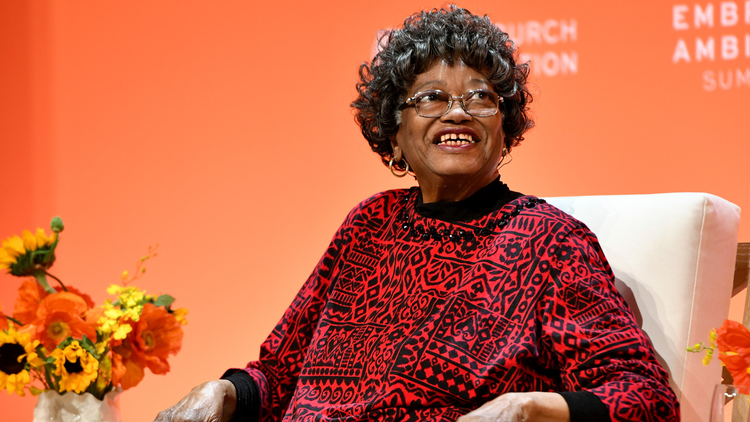
Claudette Colvin, the civil rights pioneer whose courage helped crack the foundation of Jim Crow segregation, has died at the age of 86. While many people know Rosa Parks as the face of the Montgomery bus fight, Colvin’s story is a reminder that the movement didn’t begin with one perfect moment. It began with everyday Black people, including a 15-year-old girl, deciding they’d had enough.
On March 2, 1955, Colvin was riding a segregated bus home from school in Montgomery, Alabama, when the driver ordered Black passengers to give up their seats to white riders. Colvin didn’t move. Her refusal led to her arrest, nine months before Parks’ historic stand, and it made her one of the earliest young people to challenge Montgomery’s racist transit system in public. Looking back on that day decades later, as reported by the Associated Press, she explained exactly where her head was: “My mindset was on freedom.”
Colvin’s defiance wasn’t symbolic — it became legal ammunition. She later served as one of four plaintiffs in Browder v. Gayle, the landmark federal case that ultimately led to the end of bus segregation in Montgomery after the U.S. Supreme Court upheld the ruling. Alongside Aurelia Browder, Susie McDonald, and Mary Louise Smith, Colvin helped force the city, and the country, to confront what it had normalized for far too long.
Why was Claudette Colvin overlooked, even though she was first?
So why isn’t her name as widely celebrated as Parks’? The truth is: respectability politics and strategy played a role. According to the Washington Post, civil rights leaders wanted a plaintiff who could galvanize the community and withstand intense public scrutiny. Colvin was young, working-class, and later became pregnant, which made her an easy target in a judgmental society, even though her bravery was undeniable.
Still, history doesn’t move without people like her. As AP noted, Montgomery Mayor Steven Reed called her action “the legal and moral foundation for the movement that would change America,” while also acknowledging she was “too often overlooked.”
Claudette Colvin’s legacy lived far beyond that bus ride
Colvin later built a life outside the spotlight, working for decades as a nursing assistant while raising her family, and eventually seeing long-delayed recognition arrive. She went on to receive multiple honors over the years, including being recognized by the Equal Justice Initiative’s Legacy Museum and earning awards like Be The Light’s 2019 Award for Social Justice. In 2021, she successfully petitioned to have her juvenile arrest record expunged, closing a painful chapter on paper, even if the impact of that day could never be erased.
In announcing her passing, the Claudette Colvin Foundation remembered her as more than a headline or history lesson: “To us, she was more than a historical figure. She was the heart of our family, wise, resilient, and grounded in faith.”
Colvin didn’t just help change history, she proved that bravery doesn’t need permission, popularity, or perfect timing to matter.