Key Takeaways
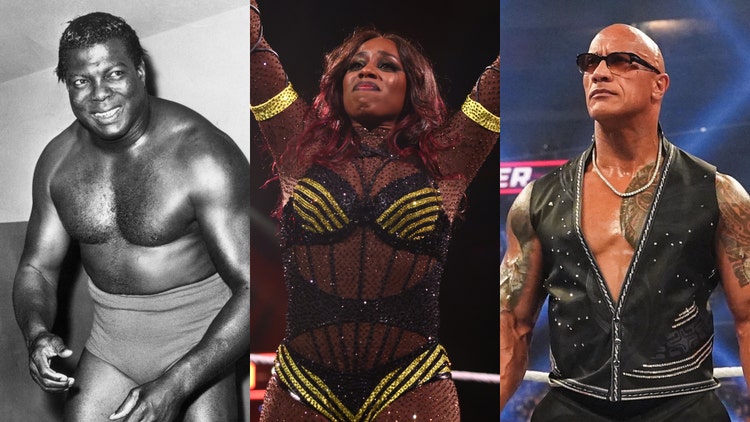
- These Black WWE Superstars brought new dimensions to what it means to headline in sports entertainment.
- From Sasha Banks to Bobo Brazil, each performer introduced a distinct style that influenced WWE’s evolution.
- The list prioritizes cultural and in-ring impact, showing how these wrestlers helped shift audience expectations.
WWE’s history is often told through eras, but the bigger story is how the company kept updating its definition of a “WWE Superstar.” As the product shifted from character-heavy TV to faster wrestling, then to a global brand built around stadium events and always-on content, the performers who thrived were the ones who could evolve with it.
That evolution also depends on range. WWE needs crossover icons, sure, but it also needs wrestlers who raise the weekly match quality, keep tag team wrestling relevant, and make the roster feel deeper than just a handful of headliners. Black wrestlers have filled every one of those roles, often at moments when the company needed new templates.
This second batch stays intentionally shuffled. Once again, the point isn’t a timeline; it’s impact, as in who helped WWE expand its ceiling, sharpen its product, or rethink what audiences would invest in.
1. Sasha Banks (Mercedes Moné)
Banks helped push WWE’s modern standard for women’s big matches. She brought a mix of athleticism, timing, and intensity that made major moments feel major. Just as important, she carried herself like a headliner, which raised expectations for the whole division.
2. Dwayne “The Rock” Johnson
The Rock is the clearest example of a WWE performer becoming a global entertainment brand. His success helped prove that the top of the card could be built around charisma, mic control, and mainstream appeal. WWE’s current “crossover first” mindset owes a lot to his blueprint.
3. Shelton Benjamin
Benjamin was an early “wow” athlete for WWE’s TV style. He made high-level movement look normal, then kept delivering in matches that needed pace and precision. His influence shows up in how WWE scouts and values explosive, clean in-ring athletes today.
4. Naomi (Trinity Fatu)
Naomi brought a distinct presence to WWE’s women’s roster: movement, rhythm, and an identity that stood out instantly. She helped prove that a consistent fan connection matters as much as title time, and she expanded the range of how WWE could present a popular babyface.
5. Big E
Big E showed how far personality can stretch without losing credibility. He could be funny, loud, and magnetic, then switch into power wrestling that looked serious. That balance helped WWE lean into a version of main-event charisma that isn’t limited to one “tough guy” tone.
6. Montez Ford
Ford is a modern prototype: elite athleticism, huge facial expression, strong promo instincts, and a sense of performance that reads on big stages. As part of tag wrestling’s current wave, he helped make the division feel like more than a placeholder between singles feuds.
7. Angelo Dawkins
Dawkins is the kind of wrestler WWE needs to keep teams credible long-term. He’s reliable, physical, and comfortable playing off a partner without disappearing. His value is durability plus chemistry, the stuff that keeps tag teams feeling real instead of temporary.
8. Xavier Woods
Woods helped expand what “WWE Superstar” means outside the ring. He became a major voice in WWE’s digital and gaming culture, showing the company how to build fandom through personality-driven content. He’s also a key reason The New Day became a true era-defining act.
9. Keith Lee
Lee brought a rare mix of size and agility that changed how crowds react to a “big man” match. His style made power wrestling feel faster and more creative, and it helped reinforce a modern expectation: big wrestlers can work with pace, not just presence.
10. Apollo Crews
Crews represents WWE’s ongoing evolution toward global identity and athletic presentation. He’s a consistent in-ring performer who helped keep match quality steady across different parts of the roster. His work also reflects WWE’s broader interest in telling more varied background-driven stories.
11. Ahmed Johnson
Johnson mattered as a milestone figure in WWE’s ’90s midcard, as he was a powerhouse presented with real spotlight and urgency. He helped show that a Black wrestler could be positioned as a major physical threat on weekly TV, not just a supporting character.
12. Bad News Brown
Bad News Brown brought a sharper edge that fit WWE’s growing taste for tougher, more confrontational characters. His presence pushed against the “cartoon only” approach and helped widen the personality types WWE could feature, especially for heels who felt grounded and dangerous.
13. Koko B. Ware
Ware’s importance is longevity and visibility during a crucial stretch of WWE’s growth. He stayed on TV through major shifts in presentation, which matters in its own right, as consistent representation in a high-exposure era helps shape who fans think belongs in the mix.
14. Bobo Brazil
Brazil predates WWE’s modern machine, but his influence is part of the foundation it later benefited from. His broader legacy as a trailblazer and his recognition in WWE’s Hall of Fame connect the company’s present to earlier generations that expanded the sport’s possibilities.
15. Jacqueline Moore
Jacqueline brought veteran credibility into WWE at a time when women’s wrestling was still fighting for consistent respect on the card, then backed it up with real hardware. Her 1998 title win mattered on two levels — it helped re-establish the revived WWF Women’s Championship and made her the first African-American Women’s Champion in WWE history.