Key takeaways:
- The Nottoway Plantation fire reignited national debate over how slavery-era landmarks are remembered.
- Reactions were split, with the Black community calling the destruction a form of payback.
- The fire has sparked renewed calls to rethink plantation tourism and confront historical erasure.
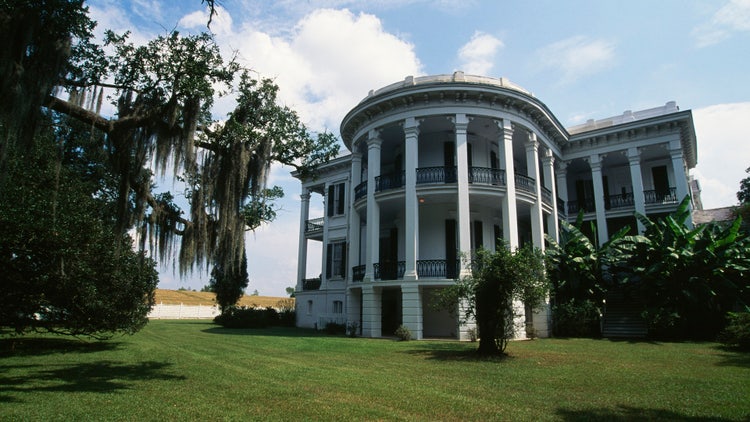
On May 15, 2025, a fire tore through the largest remaining antebellum mansion in the American South. The 53,000-square-foot Nottoway Plantation in White Castle, Louisiana, was reduced to ashes, and footage of the destruction was projected through a wealth of news outlets. Built in 1859 by sugar baron John Hampden Randolph with the forced labor of slaves, the property stood as both a historic landmark and a lightning rod for controversy. While fire officials believe the blaze was electrical and not suspicious, the emotional sparks it ignited were anything but neutral.
Firefighters raced to the scene, but crews were powerless to contain the inferno. The top floors collapsed first, with flames covering the massive home’s white pillars and verandas — once symbols of wealth and “Southern charm.” No injuries were reported in the aftermath.
How the Nottoway fire brought the plantation’s ugly history back to light
Reactions online were split, often along racial and historical lines. “Some call it a tragedy, but for many Black folks, it feels like a small act of justice,” wrote Neo of The Black Wall Street Times on X. “That house was built by enslaved hands and later turned into a wedding venue that profited off our pain... Sometimes, ashes feel like freedom.”
That sentiment wasn’t isolated. As footage of the blaze circulated, some mourned the architectural loss, while others viewed the destruction as poetic — an end to a symbol of exploitation. Much of the frustration centered on how Nottoway, later marketed as a luxury resort, routinely downplayed its brutal origins. Historian Dr. Andrea Livesey, who visited the site in 2019, was alarmed that its museum contained only one placard on slavery, noting it described enslaved people as being “treated well for the time.” The plantation’s website currently makes no mention of the enslaved people who built and maintained it (as of this article, it hasn’t acknowledged the fire, either).
After the Nottoway fire, calls grow to end romanticized plantation tourism
Its current owner, William Daniel Dyess, who recently purchased the estate after the previous owner’s death in a car crash, expressed plans to rebuild. “We believe in equal opportunity rights for everyone,” he told The New York Post, distancing himself from the plantation’s legacy. “We are trying to make this a better place... We are not going to dwell on past racial injustice.”
But for many, rebuilding isn’t the solution — taking a new approach is. Nearby, the Whitney Plantation offers an alternative model. Now a nonprofit museum, it openly educates visitors on the horrific realities of slavery. Instead of dodging the truth or romanticizing the past, it’s become a space designed for reflection, not celebration.
So, what do we do with the physical remnants of a shameful history? Do we preserve them, raze them or repurpose them with transparency? “While [Nottoway’s] early history is undeniably tied to a time of great injustice, over the last several decades it evolved into a place of reflection, education, and dialogue,” wrote Chris Daigle, the president of Iberville Parish, where the plantation was located.
Whether that happens in ashes or architecture is the next chapter yet to be written.