Key Takeaways
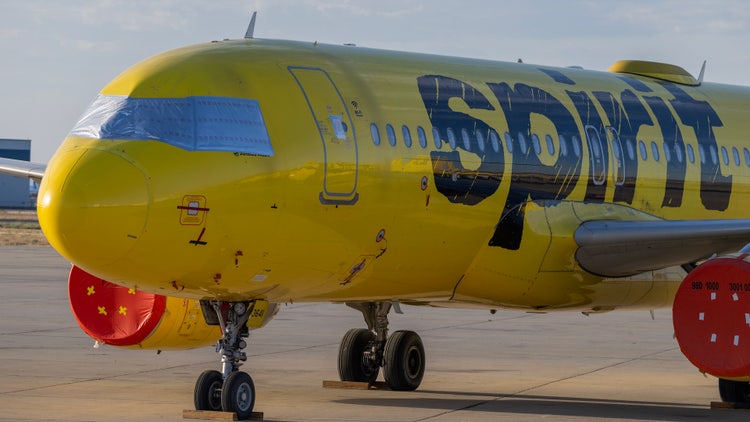
- Spirit Airlines ended operations on May 2 (Saturday), canceling all flights and closing customer service after 33 years in business.
- Social media reactions included jokes alongside tributes from former employees reflecting on their experiences with the airline.
- Hunter Peterson introduced Spirit 2.0, a non-binding crowdfunding campaign seeking $1.7 billion in an effort to purchase the company.
Spirit Airlines’ abrupt shutdown over the weekend quickly turned into a mourning-and-memes moment online. On Saturday (May 2), the airline began a wind-down effective immediately, canceling all flights, and ending customer service, bringing 33 years of operations to a close. According to Reuters, the collapse followed failed rescue talks and financial pressure that included a sharp rise in fuel costs. By Sunday (May 3), the carrier said it had almost finished processing most card refunds and returning crew members to their home bases.
Social media reactions moved in two directions at once. Some users treated the news like the end of a chaotic internet era, posting old clips of customer service-related moments and jokes about what budget travel could look like without Spirit. One X user joked, “Spirit deada** shutdown while we was in midair. We had to jump out the plane like Fortnite,” while another wrote, “Now that Spirit gone, that Greyhound bus finna look like sumthin’ outta the circus.” On Threads, other users described the collapse as something bigger, with one person calling it a warning about how fragile the economy feels right now.
At the same time, former employees flooded Threads and X with tributes and “last day” reflections about what the airline meant to them. Alongside an image of his employee badge and flight attendant training certification, Devonte Welch wrote, “Spirit Airlines brought me into a family I never had... Spirit Airlines taught me how to discipline myself. Spirit Airlines opened the world more to me.”
Spirit 2.0 turns nostalgia into a buyout pitch
The loudest attempt to turn that emotion into action came from creator and Spirit fan Hunter Peterson, who launched a campaign to buy the airline under the name Spirit 2.0. Per Business Insider, the pitch borrows from the Green Bay Packers’ public-ownership model and asks supporters to submit non-binding pledges, not actual payments. As of this report, the campaign drew more than $88 million, all while the site repeatedly struggled with traffic. That total is still far from the $1.7 billion Peterson says would be needed for a serious bid.