Key Takeaways
- Michel Zecler’s encounter with police began over an alleged COVID-19 mask violation outside his music studio in 2020.
- The assault left the producer with head and facial injuries that prevented him from working for 45 days.
- Surveillance footage contradicted the officers’ account of the incident, with prosecutors suggesting Zecler could have faced charges himself if the video hadn't existed.
Six years later, Michel Zecler is finally seeing justice. On Friday (Nov. 20), three French police officers were convicted of assaulting the Black music producer, with the court recognizing racism as an aggravating factor in the attack.
The officers — Aurelien Lapersonne, Pierre Plantier, and Philippe Tondeux — were found guilty of intentional violence following the assault inside Zecler’s studio. A panel of five judges sentenced each to five years, albeit with varying amounts suspended. All three were also permanently banned from working in law enforcement again.
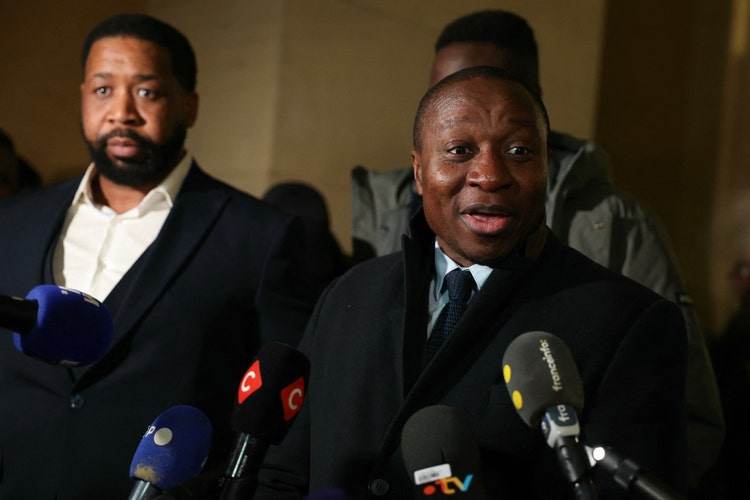
“What is very important is that the racist nature of the violence he suffered has been recognized,” Zecler’s attorney, Serge Money, said following the verdict. “As a legal professional, one can only be satisfied. This is a first.” He continued, “Ultimately, they were convicted of lying, as the falsification of written records was established.”
Find out more about the 2020 incident that sparked widespread outrage, then keep scrolling to learn more about Money’s reaction to the ruling.
What happened to Michel Zecler during the 2020 police assault?
For those unfamiliar with the case, the assault happened during the COVID-19 pandemic lockdown after the officers accused Zecler of violating a mask requirement as he approached his music studio. Once the 47-year-old entered the lobby, the trio followed him inside (despite having no warrant), attempted to bring him back outside, and eventually attacked him after he refused.
According to The Guardian, he “sustained about 30 punches and truncheon blows to the face and body over a five-minute period.” The beating left Zecler with craniofacial trauma and a ruptured tendon in his arm. He was unable to work for 45 days.
Lapersonne, Plantier, and Tondeux also “smashed a glass pane and sent a tear-gas grenade into the building” to force others inside the studio to come out, per the BBC. The officers later accused Zecler of attacking them and trying to seize one of their weapons in an official report, although surveillance footage contradicted their version of events.
In court, a state prosecutor argued that the trio had “betrayed” their uniforms and suggested that Zecler might have been the one standing trial if the CCTV footage hadn't existed. The BBC also reported that all three officers apologized, with Tondeux expressing regret “for the image of the police” he portrayed.
What Michel Zecler’s lawyer, Serge Money, hopes will come from the court’s decision
“This ruling should set a precedent for all those who have not been believed,” Money said, reiterating that Zecler could have ended up behind bars himself over the incident. “There has to be a first, a starting point. It is now up to the justice system to make use of this ruling. I have no doubt that everyone will recognize its significance. This is no small matter, particularly given that the investigating judges had initially dismissed the racist dimension of the case.”
Meanwhile, French rapper Stomy Bugsy added, “This is a victory for all victims. If it can help curb, reduce, and ultimately put an end to this kind of police misconduct and abuse, then it is a victory.”