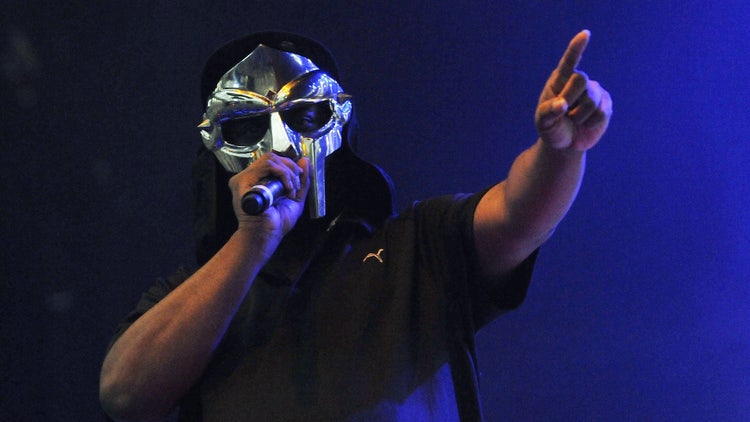
Before MF DOOM became one of Hip Hop's most recognizable figures, Daniel Dumile spent years making music under another name. As Zev Love X, he helped form KMD alongside his younger brother, DJ Subroc, and earned attention in New York's rap scene. Their early success suggested a promising future, but personal tragedy and problems with their record label changed everything. Dumile eventually returned to music with a new identity, a different sound, and a character inspired by comic book villains. His metal mask became a trademark, while his clever wordplay, unusual production style, and unpredictable approach to performing helped him build a devoted following.
However, the story behind MF DOOM goes far beyond his appearance or musical accomplishments. Dumile created multiple fictional personalities, challenged traditional ideas about celebrity, and found creative ways to separate his personal life from his public image. Some of those decisions sparked controversy, while other challenges, including immigration problems, shaped his life outside the recording studio. He also maintained an unusual level of privacy, even as his influence continued to grow.
From his early career to the circumstances surrounding his death, these eight facts offer a closer look at the experiences, creative choices, and mysteries that defined MF DOOM.
1. He had an entirely different rap identity before MF DOOM
Long before he became Hip Hop's masked supervillain, Dumile performed as Zev Love X in KMD, a group he started with his younger brother, DJ Subroc. Fellow rapper Onyx the Birthstone Kid also joined the lineup. Dumile gained early attention through his appearance on 3rd Bass' 1989 song "The Gas Face," which helped introduce KMD to a wider audience. The group released its debut album, Mr. Hood, through Elektra Records in 1991. Their music combined humor, playful production, and commentary on Black identity and social issues. These early recordings offered a different sound from the darker, comic book-inspired music that later defined DOOM's solo career.
2. Personal tragedy and industry rejection helped create his supervillain persona
KMD's promising career took a devastating turn in 1993 when a car struck and killed Subroc, who was just 19 years old. Dumile continued working on the group's second album, Black Bastards, but another setback followed. Elektra Records canceled its planned 1994 release amid controversy over artwork depicting the hanging of a racist caricature. KMD intended for the image to challenge harmful stereotypes, but the label dropped the group. Dumile stepped away from the spotlight before resurfacing in the late '90s with a new identity. He released Operation: Doomsday as MF DOOM in 1999, while Black Bastards finally reached listeners through an official release in 2000.
3. His iconic metal mask came from an unexpected Hollywood source
Although Marvel Comics' Doctor Doom helped inspire his persona, MF DOOM's famous metal mask came from a replica helmet associated with the 2000 film Gladiator. Graffiti artist Blake "KEO" Lethem, also known as Lord Scotch 79, helped turn the movie-inspired accessory into the rapper's signature disguise. Lethem removed the helmet's faceplate and attached an adjustable support similar to the interior of a construction hard hat. DOOM later added chrome and a ruby to some versions. The recognizable metal design also followed earlier experiments with simpler masks and face coverings.
4. He created several rap alter egos with their own personalities
MF DOOM developed an entire collection of fictional characters rather than limiting his music to one identity. In 2003, he released Take Me to Your Leader as King Geedorah, drawing inspiration from the three-headed monster in the Godzilla franchise. That same year, he introduced another major project, Vaudeville Villain, under the name Viktor Vaughn. Each character offered a different perspective. DOOM described Vaughn as a younger, overconfident rapper who sometimes disagreed with his older counterpart. Geedorah, meanwhile, represented an otherworldly creature who observed events from beyond Earth. Dumile even imagined conflicts between his characters, allowing their personalities and stories to develop across his music.
5. He treated his rap persona like a fictional character rather than his real identity
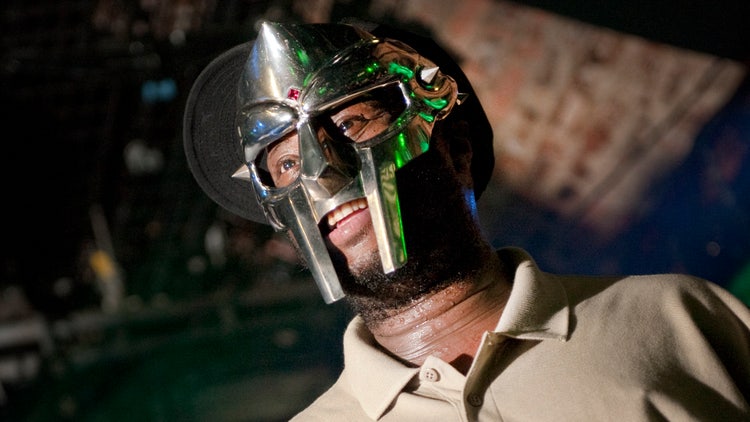
DOOM approached his music much like an author creating characters for a novel. He explained that his villain persona allowed him to tell fictional stories without presenting the character's actions or beliefs as his own. The distinction also influenced how he presented himself to the public. During interviews, he criticized Hip Hop's growing emphasis on appearances, expensive jewelry, and celebrity lifestyles. He wanted listeners to judge artists by their music rather than their looks or possessions. His mask supported that philosophy by allowing him to separate his public performances from his private identity. For Dumile, telling a convincing story mattered more than convincing audiences that every lyric described his actual life.
6. His use of masked stand-ins sparked controversy at live shows
DOOM's approach to performance eventually created problems with some concertgoers. During the 2000s, reports surfaced that other people appeared onstage wearing his signature mask while audiences expected the rapper himself. In a 2009 interview with HipHopDX, DOOM acknowledged hiring someone to portray the character. He defended the decision by comparing DOOM to fictional roles that different actors could play, including Batman. While DOOM considered the character separate from the person behind the music, fans who purchased tickets often expected to see Dumile perform. The controversy became one of the most unusual chapters in his career.
7. The United States denied him reentry despite his New York upbringing
Although DOOM grew up in New York and built his career within American Hip Hop, he was born in Hounslow, West London, in 1971. His family brought him to the United States when he was just weeks old, but he never secured American citizenship or permanent residency. His immigration problems came to a head in 2010 when officials refused to let him return from an overseas tour. According to immigration records obtained by Pitchfork, authorities cited his lack of an immigrant visa, more than a year of unlawful presence in the country, and a 1995 misdemeanor assault conviction. That conviction followed a 1994 altercation on Long Island, where Dumile later pleaded guilty to third-degree assault and received probation. Officials also denied his permanent residency application in November 2005, claiming they never received additional documentation requested four months earlier. Another attempt to enter the country failed in 2012, leaving him to spend his remaining years in the United Kingdom.
8. His death remained private for two months
MF DOOM died on Oct. 31, 2020, at the age of 49, but his family kept the news private until the end of that year. On Dec. 31, his wife, Jasmine Dumile, shared a message through his official Instagram account confirming that he died two months earlier. She honored him as a husband, father, friend, and creative partner while expressing her love for him and their family. Representatives for his record label also confirmed his death. The announcement surprised fans and fellow musicians who didn't know about his passing. His family did not publicly explain the two-month gap between his death and the announcement.