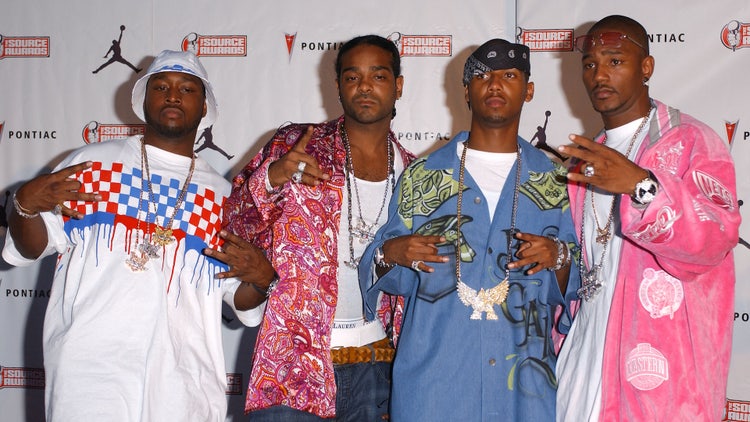
Harlem’s own Diplomats — also known as Dipset — were more than just a rap crew. Led by Cam’ron, alongside Jim Jones, Juelz Santana, and Freekey Zekey, they turned swagger into a cultural movement that reshaped Hip Hop in the early 2000s. With their mix of triumphant soul-sample beats, unapologetic fashion, and endless mixtapes, Dipset represented Harlem pride on the biggest stage, proving that rap was as much about attitude and identity as it was about music.
The group’s story has always been marked by brotherhood and tension, which includes the rocky relationship between Cam and Jim. Despite the drama, Dipset’s influence remains undeniable. From introducing slang that swept the nation, to bridging New York and the South, to turning pink furs and street DVDs into Hip Hop staples, their legacy runs deeper than their hits. Here are nine ways The Diplomats changed the culture forever.
1. Revived Harlem as a Hip Hop powerhouse
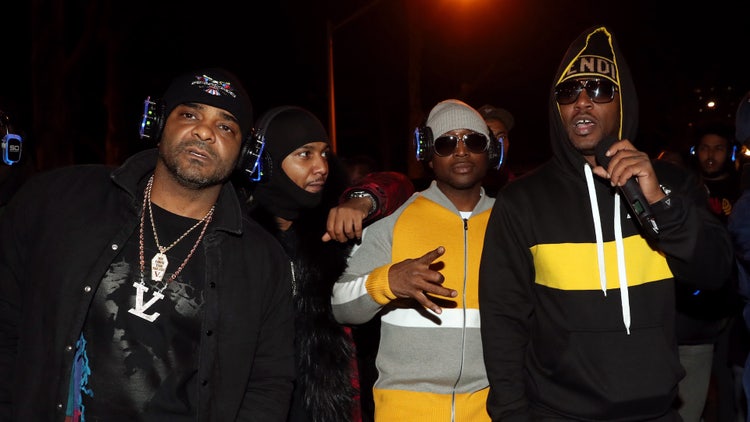
Before Dipset, New York’s rap spotlight tilted toward Brooklyn and Queens. Cam’ron, Jim Jones, Juelz Santana, and Freekey Zekey put Harlem back on the map with a mix of brash confidence, slang, and flash. Their rise gave uptown its strongest voice since Big L and Ma$e, setting Harlem at the center of the Hip Hop conversation in the early 2000s.
2. Revolutionized the mixtape game
Dipset’s The Diplomats Vol. 1 dropped months before 50 Cent Is the Future, which arguably places them as the true pioneers of the artist-driven mixtape movement. Rather than DJ compilations, these tapes centered the crew’s sound, blending freestyles and originals to push records like “Oh Boy” into the streets and radio. The model became the blueprint for an era that later carried artists like Lil Wayne and Gucci Mane to mainstream dominance.
3. Built an independent brand beyond labels
When major labels faltered, Dipset thrived through Koch Records, turning “indie” from an insult into a badge of honor. Following in the footsteps of E-40, Too $hort, and Master P, Jim Jones sold big with Hustler’s P.O.M.E. and even landed an A&R role. Meanwhile, the crew extended their identity through street DVDs, letting fans into their homes, blocks, and antics. This music-plus-lifestyle branding approach predated today’s reality-driven artist economy.
4. Defined a distinct sound
The Heatmakerz gave Dipset their trademark: Pitched-up soul samples and pounding drums. Songs like “Dipset Anthem” and “I Really Mean It” became instant street classics, while the likes of Just Blaze and Kanye West added polish. The “chipmunk soul” sound became central to early-2000s New York and rippled across Roc-A-Fella, influencing Kanye’s own rise as both producer and rapper.
5. Turned fashion into a movement
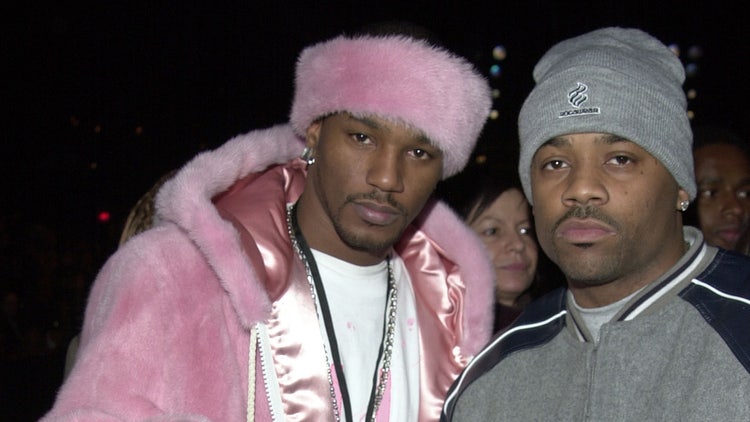
Run-DMC popularized Adidas, and Biggie made Coogi iconic, but Dipset pushed fashion into performance art. Juelz Santana repped the American flag, Jim Jones pioneered True Religion fits, and Cam’ron turned pink into a cultural statement with his fur coats (one of which Drake couldn’t help but borrow) and Range Rover. Their drip made rap style louder, bolder, and more personal, inspiring everyone from Kanye to ASAP Mob to treat fashion as a core of artistry, not an accessory. Word to Dapper Dan.
6. Brought humor and slang into Hip Hop culture
Dipset balanced gangsta rap with absurd, quotable fun. Cam’s lines like “I get computers putin’” became memes before memes existed. Phrases like “Pause” spread nationwide (arguably problematic in hindsight but undeniably influential). Their humor and skits kept fans entertained beyond bars, injecting irreverence into a scene often weighed down by self-seriousness.
7. Bridged New York and the South
At a time when East Coast rap often looked down on Southern acts, Dipset embraced them. Cam’ron linked with Master P, Jim Jones worked with T.I. and Bun B, and Juelz Santana’s chemistry with Lil Wayne became the stuff of legend. Their openness helped break down North–South barriers, paving the way for today’s collaborative, cross-regional rap landscape. Related: Jones’ ties to the West deserve a second nod.
8. Expanded the crew model into a lifestyle brand
Dipset wasn’t just four members — it was a movement. From J.R. Writer and Hell Rell to Max B and Stack Bundles, the roster expanded like a comic-book universe. This strategy (perhaps perfected from what Wu-Tang created before them) proved a crew could function as a brand umbrella while still producing stars, inspiring later collectives like G-Unit, Young Money, and TDE to follow the template.
9. Created polarizing, unforgettable energy
Dipset was loved and hated in equal measure. Some critics called their bars simplistic, others worshipped their confidence and beats. It all made them unavoidable. They embodied a mix of controversy and charisma that defined an era. Long after their inception, that iconic Verzuz clash with The LOX showed just how deeply Dipset’s aura still resonates in Hip Hop culture.