Key Takeaways
- High school protests that began in mid-September have disrupted hundreds of schools across France, with student unions calling for additional walkouts.
- More than 6,600 people have been arrested during the protests, while hundreds of police officers, students and school staff have been injured, according to official figures and news reports.
- Authorities opened 18 internal investigations into police conduct and restricted the grenade type suspected in a 15-year-old's injury.
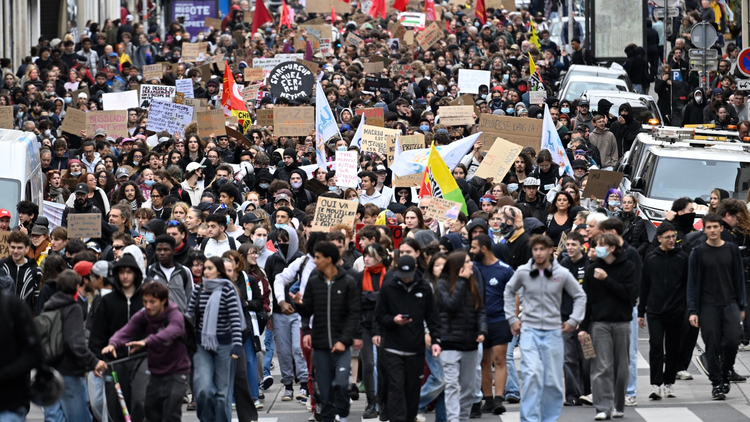
For weeks, students across France have been walking out of classrooms and taking to the streets, demanding changes to an education system they say is failing them. What started as a fight for better learning conditions has grown into a nationwide movement, with thousands of arrests, serious injuries and mounting criticism of police tactics.
According to The Associated Press, the movement began at a high school in the Paris region in mid-September 2026 before gaining momentum later that month. Students are calling for more teachers, smaller class sizes, increased funding and repairs to deteriorating school buildings.
By Thursday (Oct. 8), more than 6,600 arrests had been reported since the demonstrations began, according to the French Interior Ministry. The New York Times also revealed that approximately 760 police officers and more than 300 students and school staff had been injured.
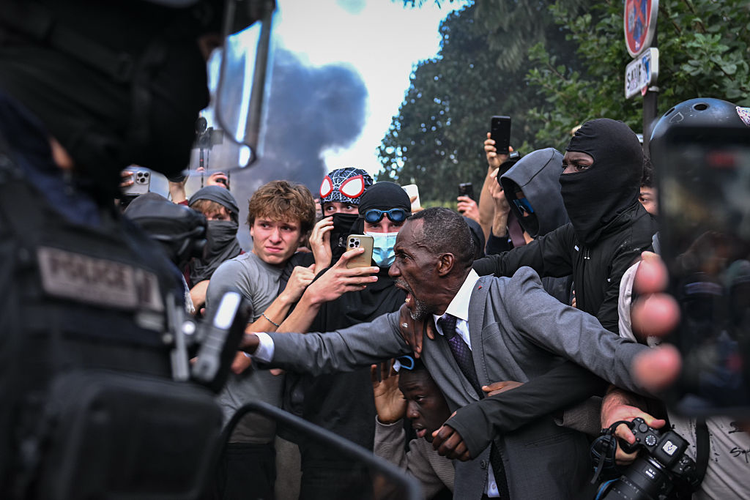
Mayor Bally Bagayoko shields students during Paris protest
One of the most widely discussed moments came Tuesday (Oct. 6), when Saint-Denis Mayor Bally Bagayoko stepped between young demonstrators and riot police in Paris. According to AP, Bagayoko was attempting to protect students during the confrontation and was later seen receiving treatment for tear gas exposure.
He addressed the incident on X, writing in a post translated from French: “Today, at the heart of the demonstration, I was where a mayor must be: alongside our youth, to protect them and ease the tensions. And it was these young people who formed a human shield around me. Spontaneously. Fraternally. Thank you to you all. I hope everyone is doing well. You are the honor of France.”
French authorities restrict stun grenades after teen loses hand during student protests
Elsewhere in the country, several encounters with police have led to serious consequences. AP reported that a 15-year-old boy in Lens lost his hand Monday (Oct. 5) in an incident involving a police stun grenade. In Saint-Ouen-l’Aumône, a 14-year-old suffered severe jaw and dental injuries after being struck by a tear gas grenade. Meanwhile, in Tours, a 16-year-old experienced partial blindness in an incident suspected to involve a police riot-control round.
Following these reports, Interior Minister Laurent Nunez announced Wednesday (Oct. 7) that police would stop using the type of stun grenade suspected of causing the injury in Lens against high school protesters. According to CNN, French authorities also opened 18 internal investigations into officers' conduct during the demonstrations.
What has France's government done to address protesters' demands?
Prime Minister Sébastien Lecornu outlined five government initiatives Wednesday, including efforts to renovate schools, improve class schedules and give young people more opportunities to voice their concerns, per CNN. He also said lawmakers would debate a proposed education budget of 64 billion euros in November.
However, Anaïs Ella, spokesperson for the student association Les Lycéens, told CNN that the proposals failed to address the movement's demands. “We are the ones most directly affected by the national education system, yet we aren’t actually listened to,” she said.